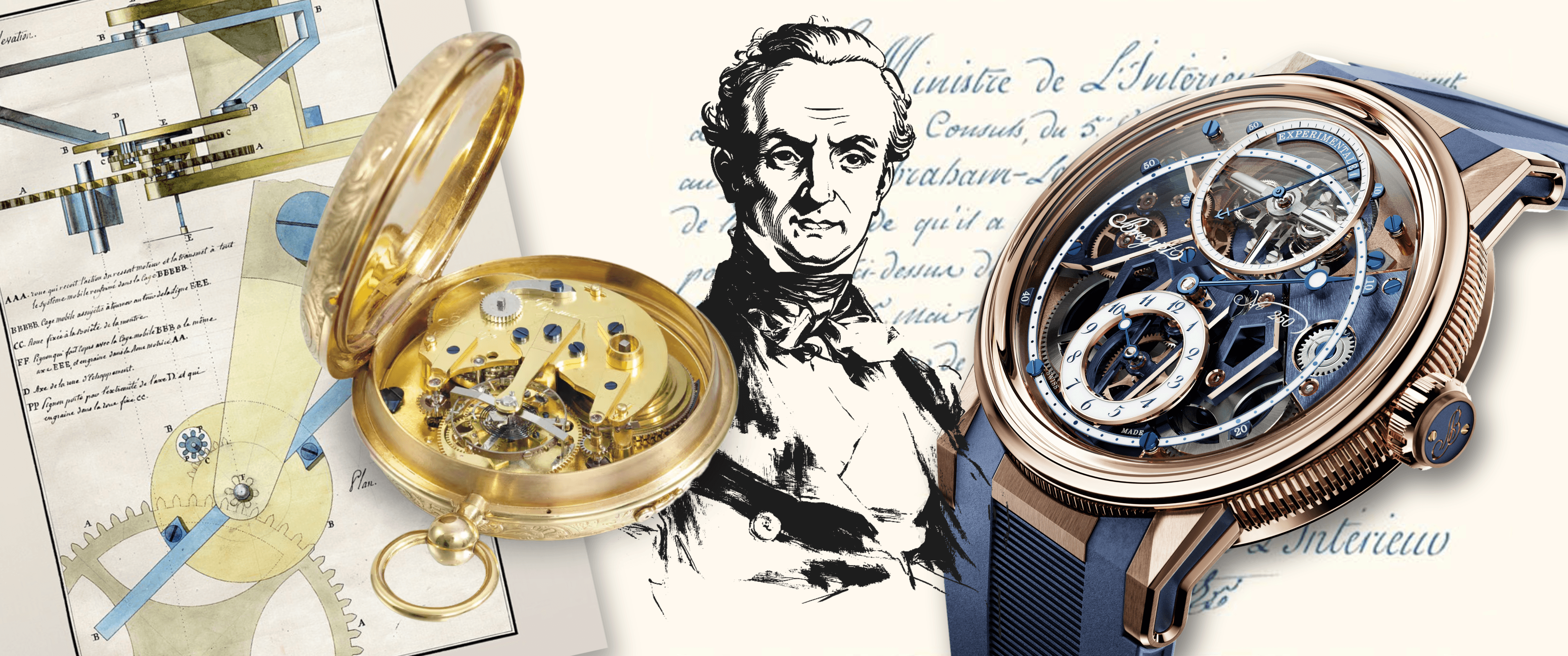
225 Years of the Tourbillon: How Breguet's Revolutionary Patent Changed Watchmaking Forever
 6 min read

The first time I held a Breguet tourbillon, I made the mistake most people make. I looked for the time. It took me an embarrassingly long moment to realize that the most important thing happening on that dial wasn't the hands. It was the cage. A tiny, spinning, titanium structure sitting at six o'clock, rotating once every sixty seconds with a kind of quiet, unhurried certainty. Not showing me anything. Not telling me anything. Just spinning and in doing so, solving a problem that had frustrated every watchmaker on earth for over a century before Abraham-Louis Breguet decided he'd had enough of it. That cage is a tourbillon. And once you understand what it actually is - not what it represents, not what it costs, but what it does and why it changes the way you see not just Breguet, but watchmaking entirely.
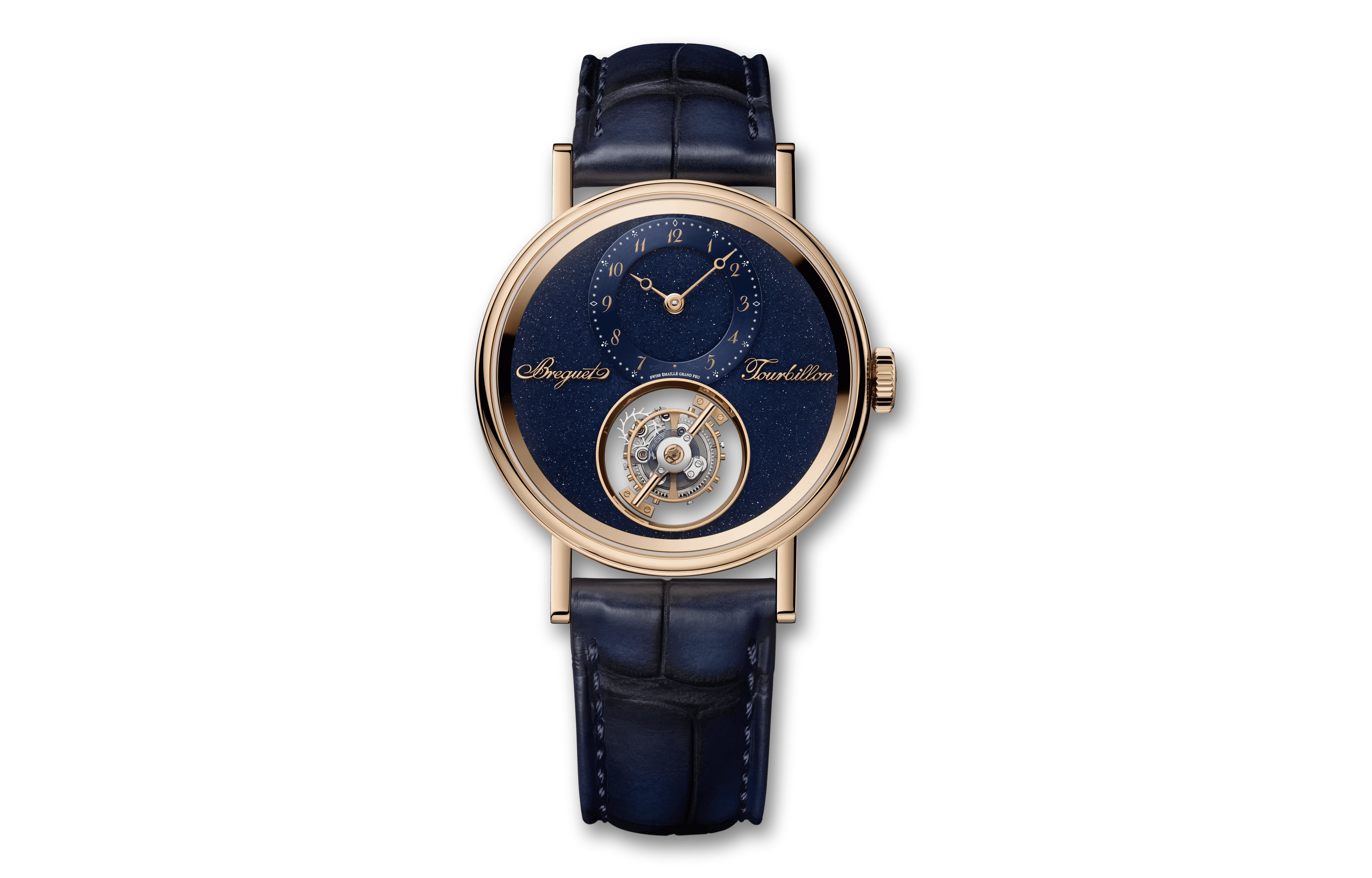
What is a tourbillon, really?
Let me try to explain this the way it was explained to me, because the technical version could be intimidating. In the 18th century, every pocket watch in existence had a flaw nobody talked about openly: gravity. Not the dramatic, catastrophic kind - the slow, silent, compounding kind. A pocket watch spent most of its life sitting vertically in a waistcoat pocket. The regulating organ - the tiny balance wheel that governs timekeeping was constantly being pulled in one direction. The errors were microscopic individually. Over hours and days, they compounded into something that mattered. Most watchmakers of the era accepted this as a limitation of the form. Abraham-Louis Breguet, working out of his workshop on the Quai de l'Horloge in Paris, did not. Know more about the legacy of Abraham-Louis Breguet here.
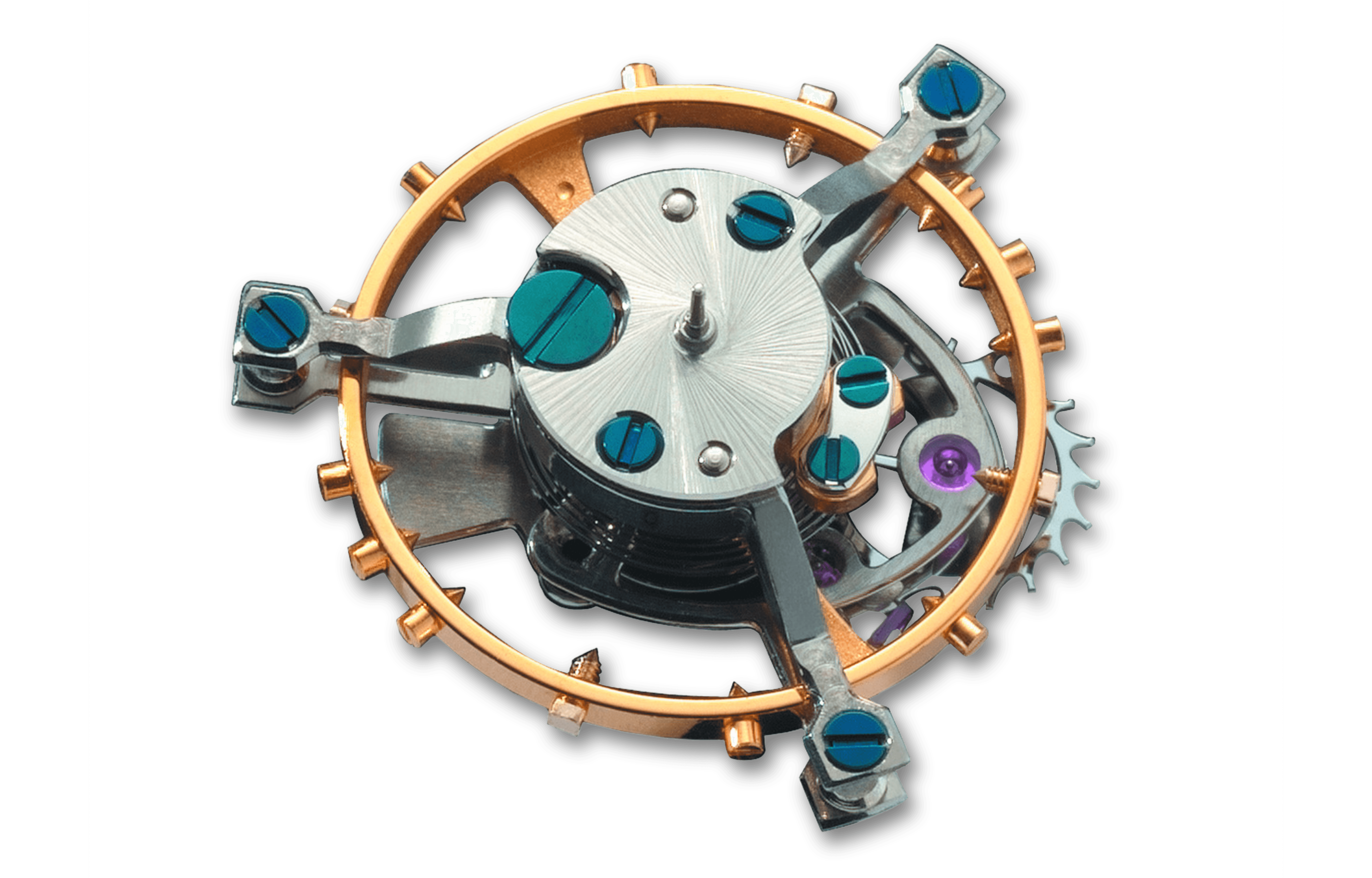
What makes Breguet's approach remarkable isn't the mechanism itself, it's the reframing. He didn't ask: how do I eliminate gravity's effect? He asked: how do I make gravity irrelevant? His answer was to place the entire escapement inside a rotating cage - one revolution per minute. Every positional error that accumulates in one direction is immediately countered by an equal error in the opposite direction. The errors don't disappear. They cancel each other out.
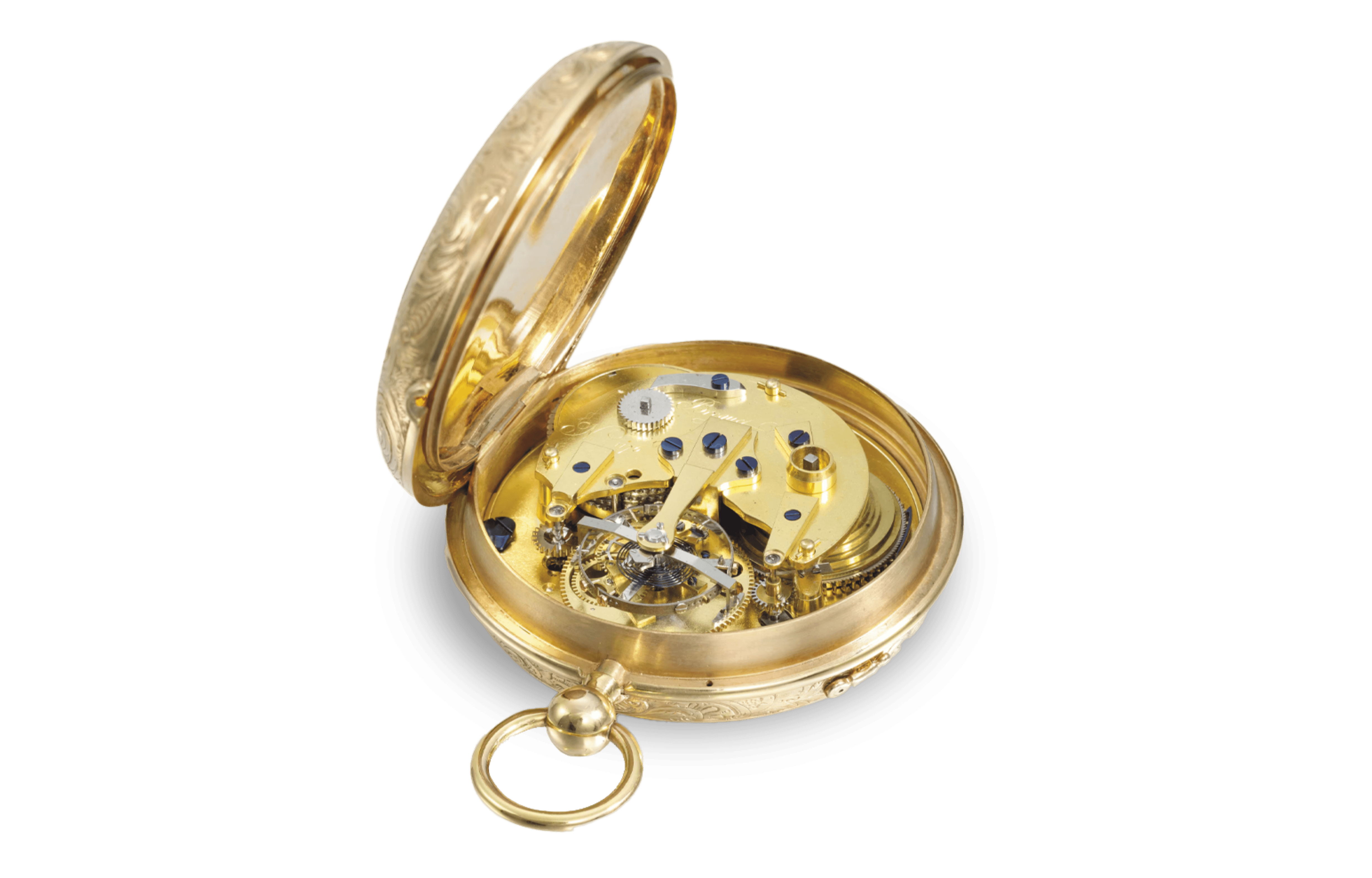
He didn't fight gravity. He choreographed it.
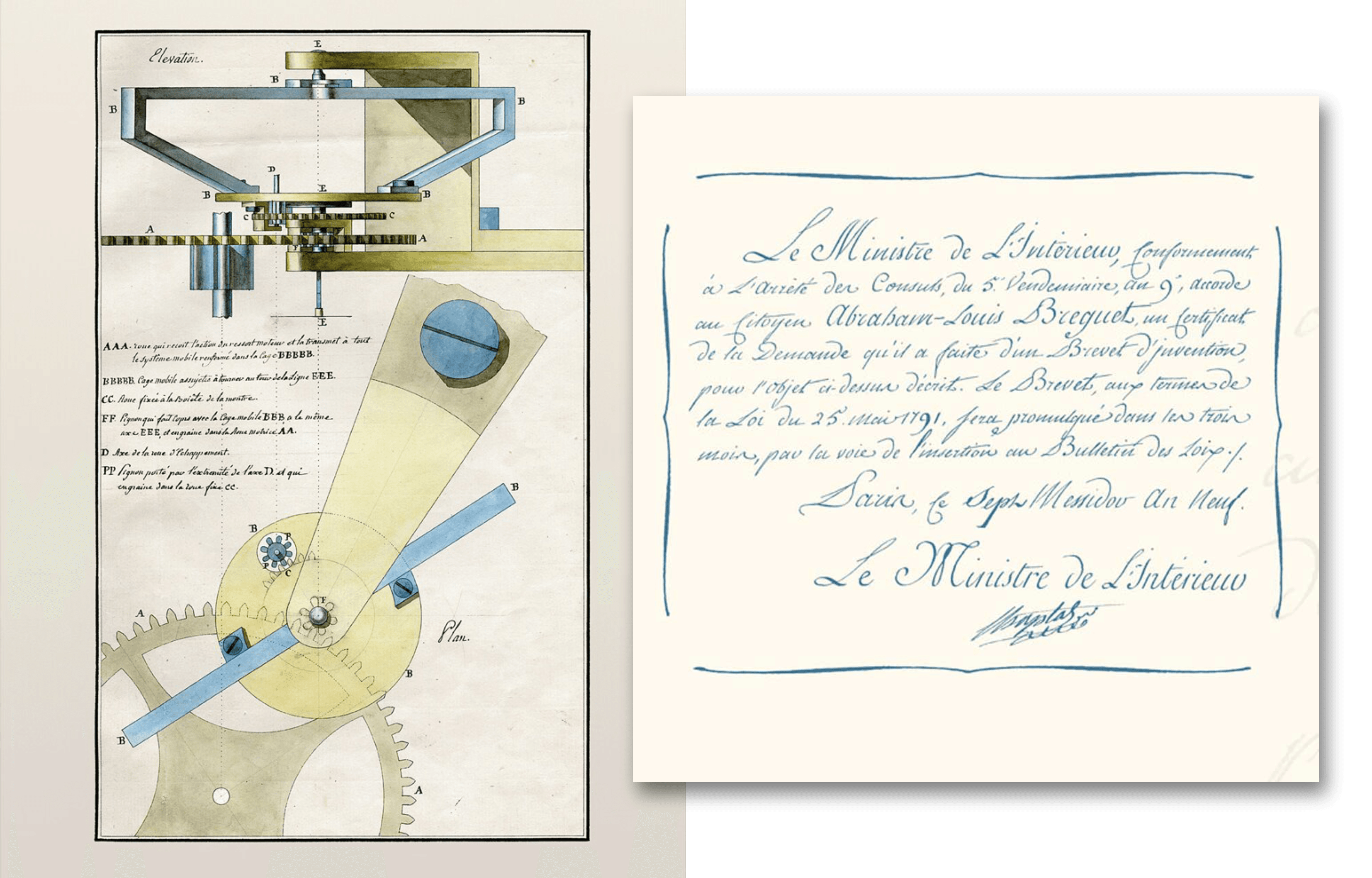
The patent was filed on 26 June 1801 - 7 Messidor, Year IX in the French Republican calendar, because France was still in the middle of reinventing itself at the time. The original document still sits at the Institut National de la Propriété Industrielle in Paris. It has been there for 224 years. The idea it contains has been alive every single day of that time.
The clients who wore the first tourbillons
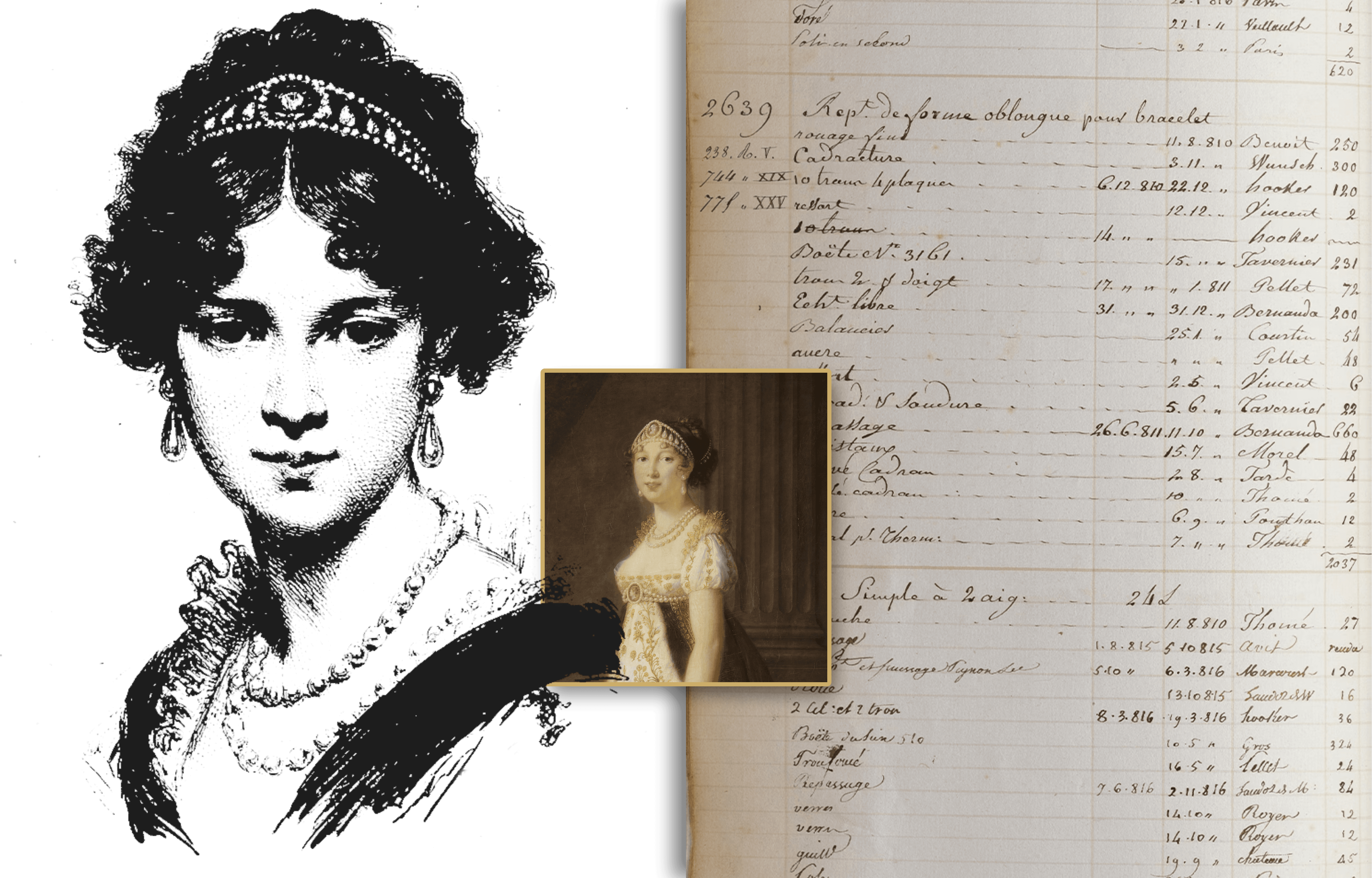
Here is where the history gets genuinely extraordinary to me. Breguet's workshop was not some obscure craftsman's garret. His client ledgers which still exist and are kept in the Breguet museum read like a guest list for the most consequential two decades in European history. King Louis XVI. Queen Marie Antoinette, who received a simple Breguet watch in September 1792, months before her execution. Napoleon Bonaparte, who in April 1798, a month before setting off on his Egyptian campaign - purchased three timepieces from Breguet in a single visit. Tsar Alexander I of Russia. Caroline Murat, Napoleon's youngest sister, who became Breguet's most important client with 34 purchases between 1808 and 1814 and for whom Breguet created the first watch ever designed to be worn on the wrist, in 1810.
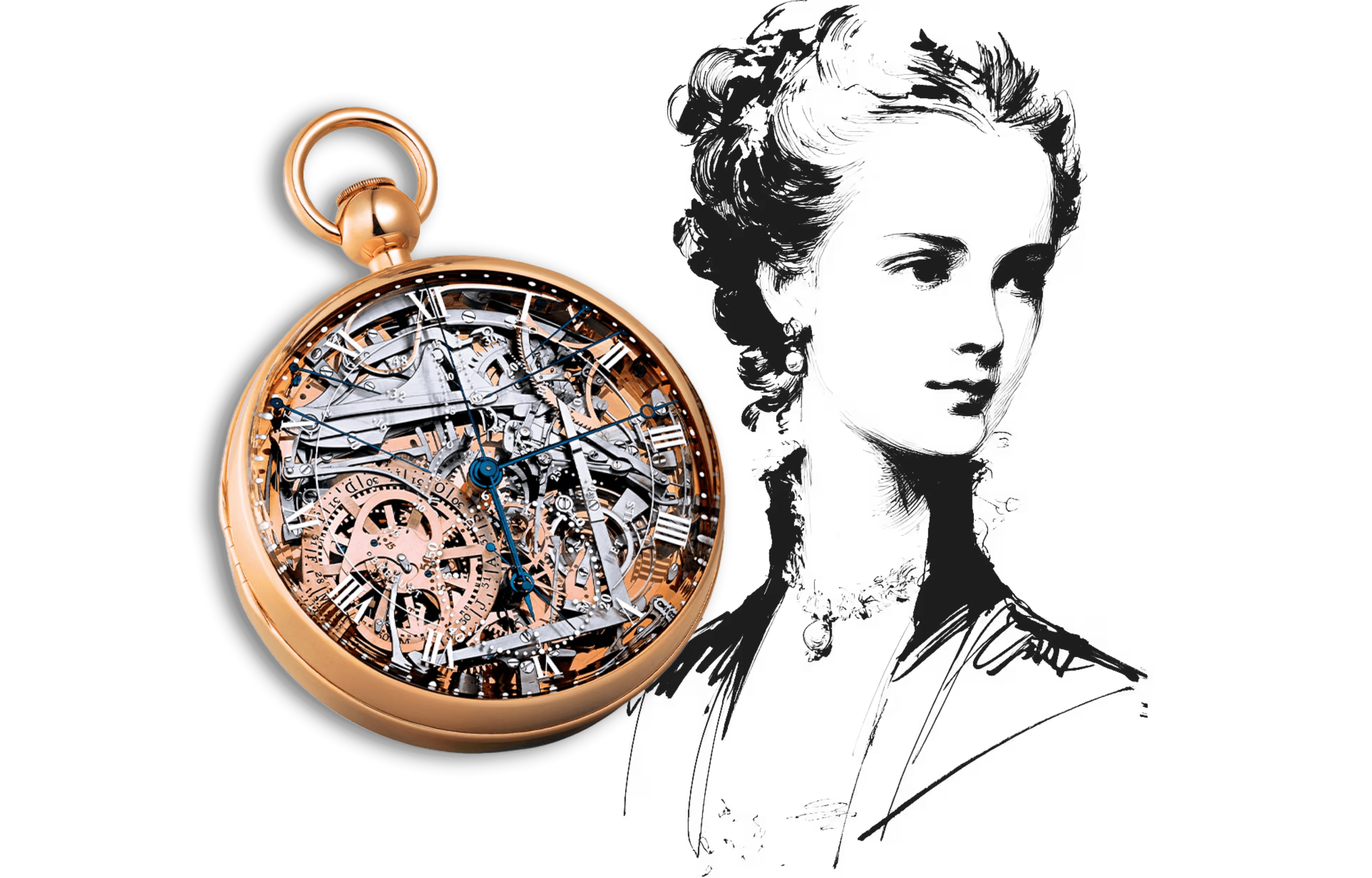
These were not people who bought watches casually. They were people at the absolute center of world events, choosing to spend their money on objects made by one man in Paris because those objects were, simply, the finest of their kind on earth. And the tourbillon, so complex that even after the 1801 patent, it took Breguet four more years to produce the first one commercially - was the crown jewel of that workshop. Breguet made approximately 40 tourbillon pocket watches in his lifetime. Around 75% survive today. Some are in museums. Several are in private hands. Every single one is considered a masterpiece. He died on 17 September 1823, aged 76. The tourbillon he invented largely fell dormant after his death - an insider's secret for over a century, waiting for the right moment to be rediscovered.
The long road back to the wrist
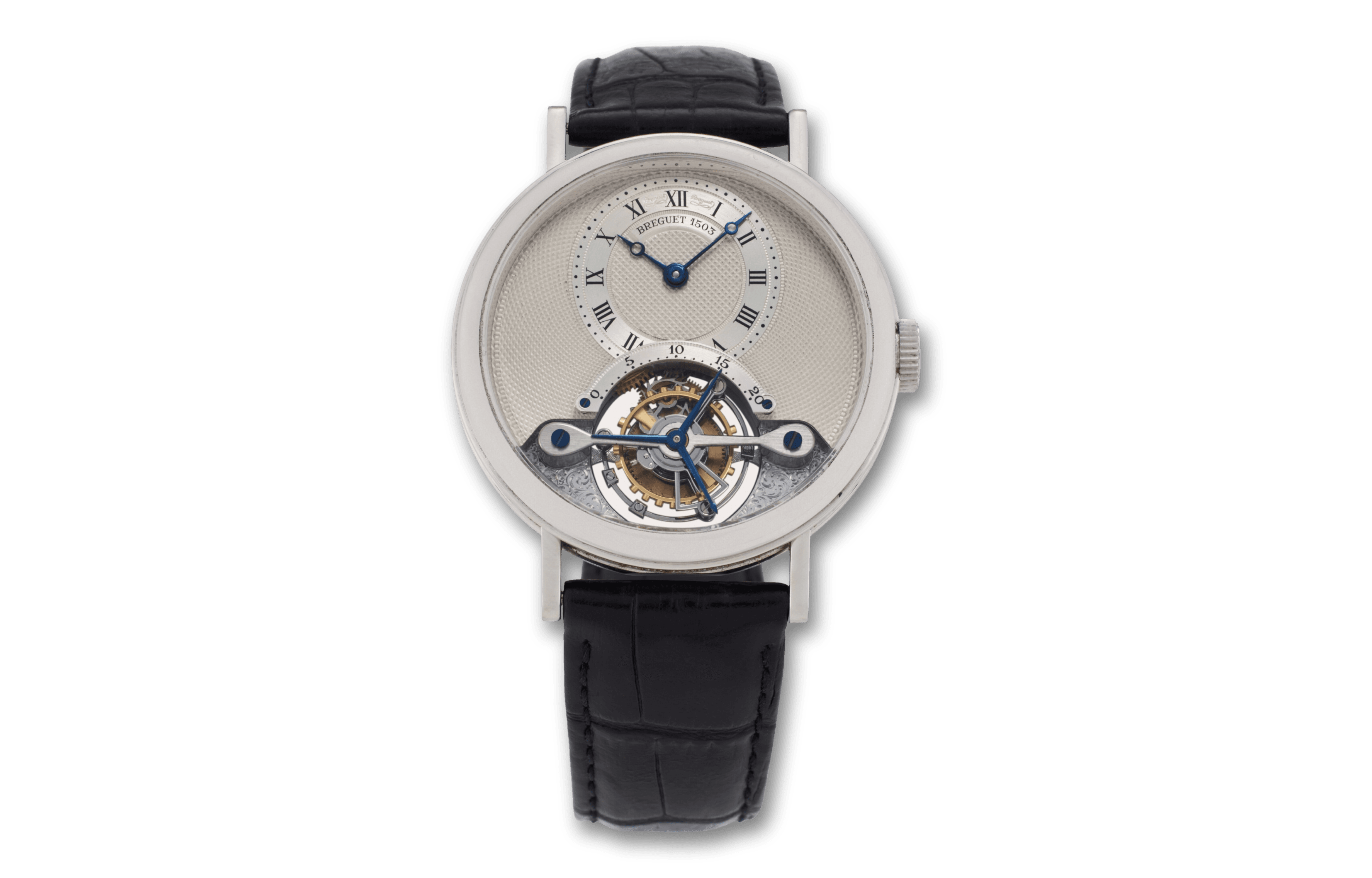
That moment came in 1988, when a watchmaker named Daniel Roth working under the Chaumet brothers who had acquired Breguet in 1970 developed the Ref. 3350: Breguet's first tourbillon wristwatch, and only the second tourbillon wristwatch ever made in history. Using Caliber 558 developed with movement maker Lemania, the 3350 translated Breguet's pocket watch language directly onto the wrist: guilloché dial, coin-edge case, blued steel hands. It ran, with minimal changes, for over three decades.
Then in 1999, the Swatch Group acquired Breguet under Nicolas Hayek, and the tourbillon became the brand's axis rather than just its most prestigious complication. Silicon hairsprings arrived in the 2000s - replacing brass components with non-magnetic, self-lubricating, temperature-stable alternatives in references including the Tradition 7047. The material changed entirely. The governing question did not.
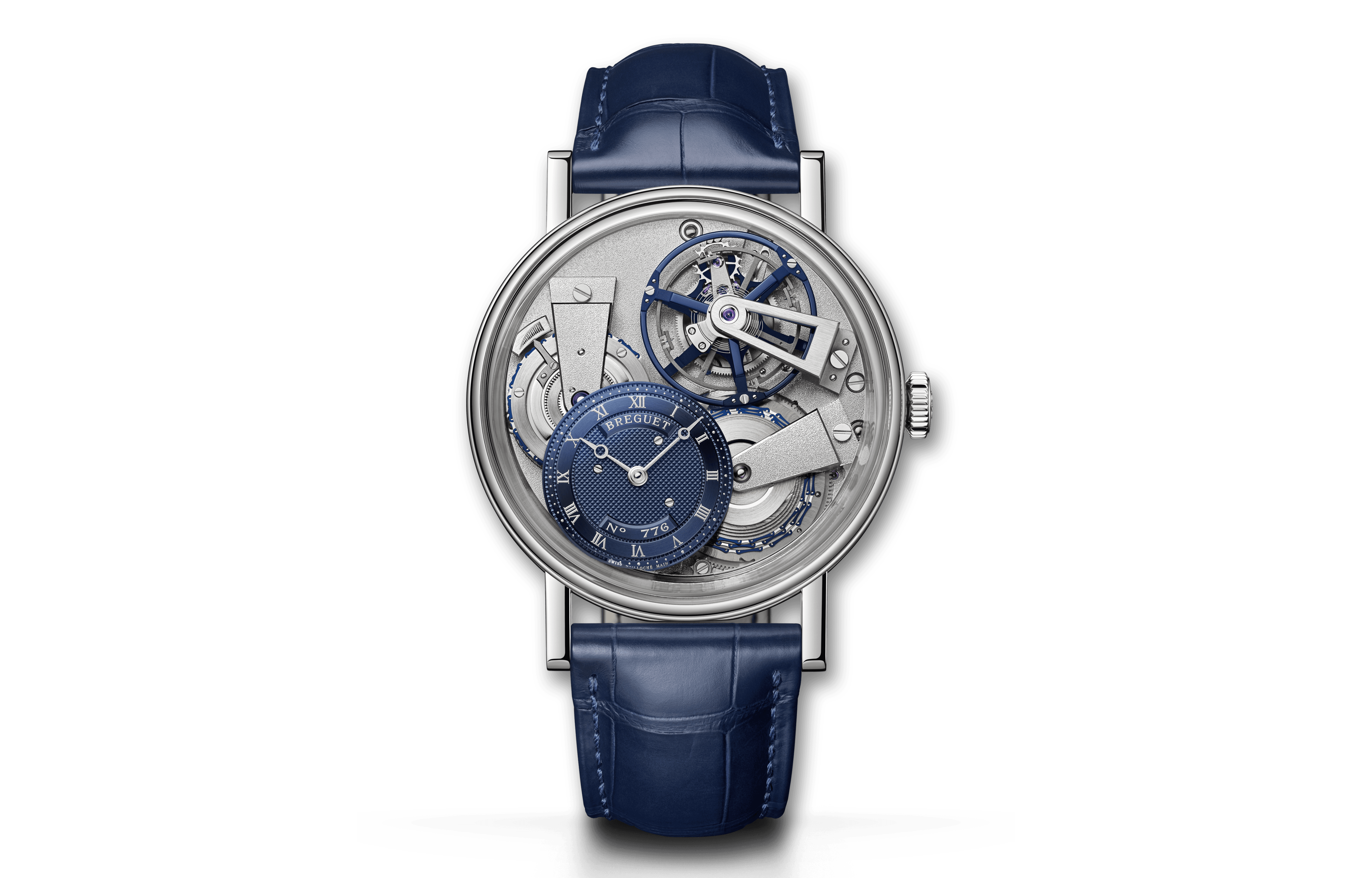
The Tradition collection, launched in 2005 with the Ref. 7027, did something no classical watch house had attempted: it placed the entire movement architecture on the dial side, inspired directly by Breguet's own 18th-century pocket watches. The Tradition Tourbillon Ref. 7047 took this further, pairing the tourbillon with a fusée-and-chain transmission - an older technology that delivers constant force to the escapement regardless of how wound the mainspring is. The movement became the dial. The complication became the watch.
2025: The most important tourbillon since 1801
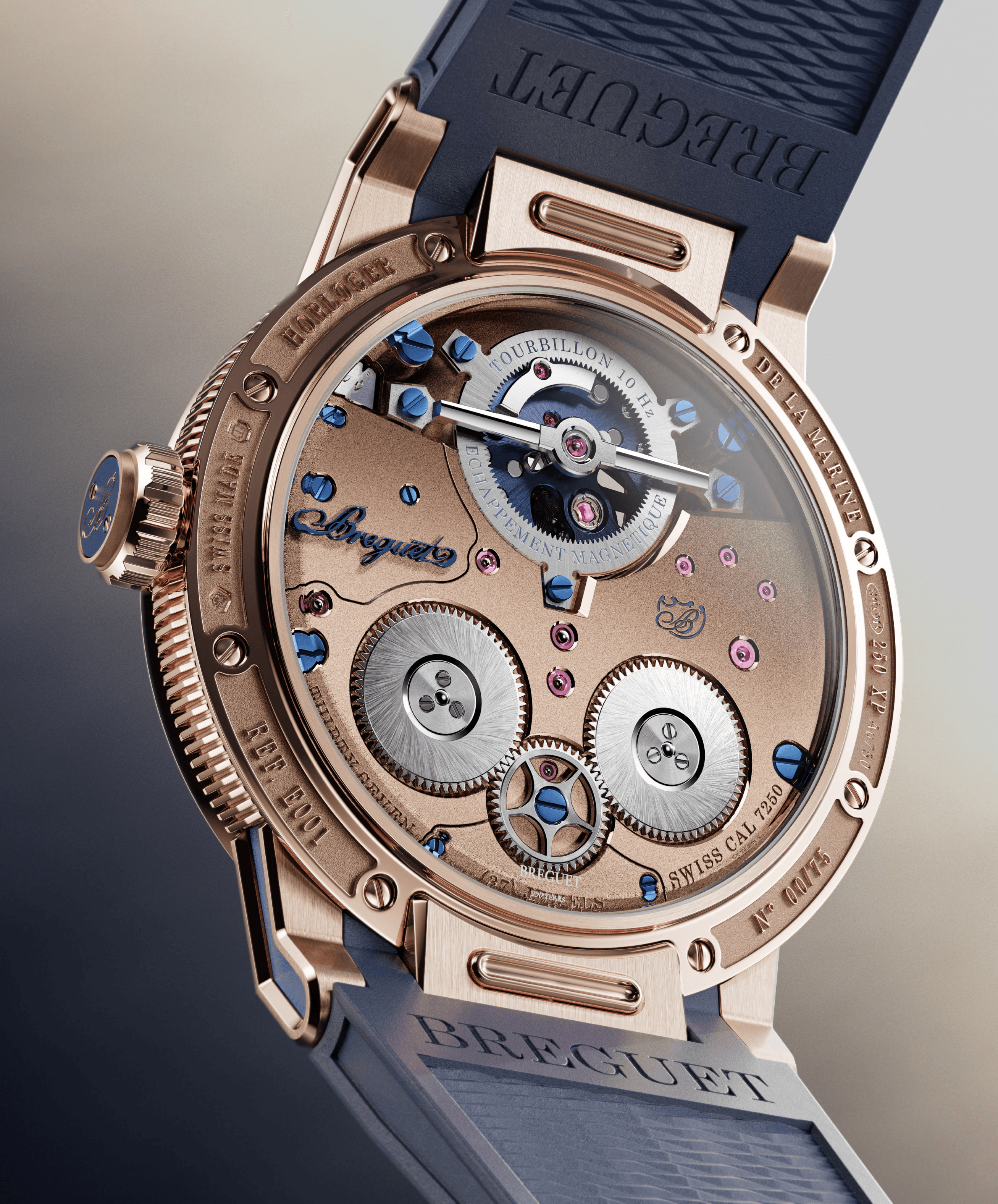
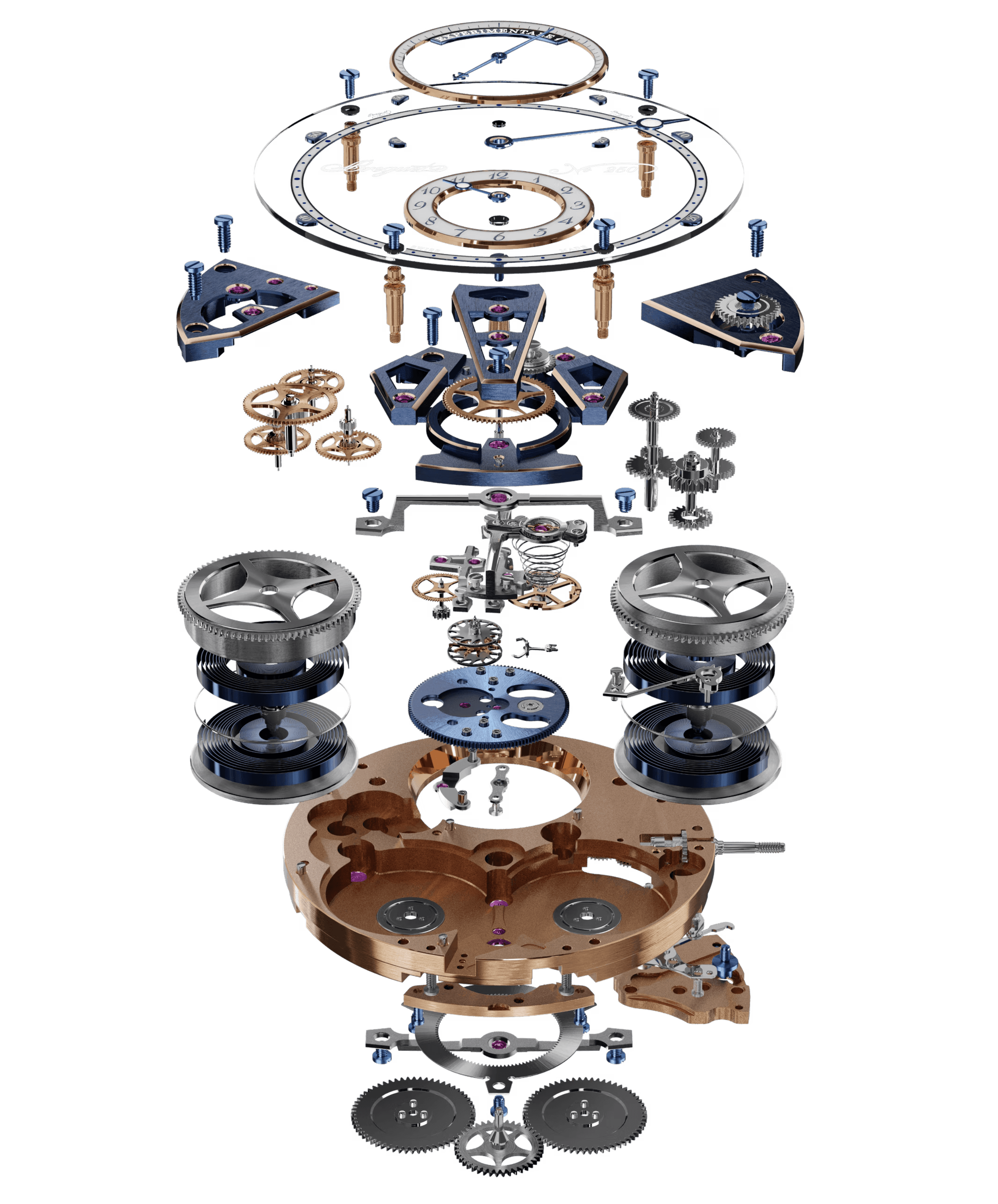
Late last year, Breguet unveiled the Expérimentale No. 1 - a watch a decade in development, released to close the house's 250th anniversary year. Caliber 7250. The world's first production tourbillon with a magnetic escapement. Samarium-cobalt magnets replace jewelled pallet stones, eliminating friction at the precise point where a traditional lever escapement loses the most energy. The oscillator runs at 10 Hz - 72,000 beats per hour, an extraordinary frequency for a tourbillon. Limited to 75 pieces. Know more here.
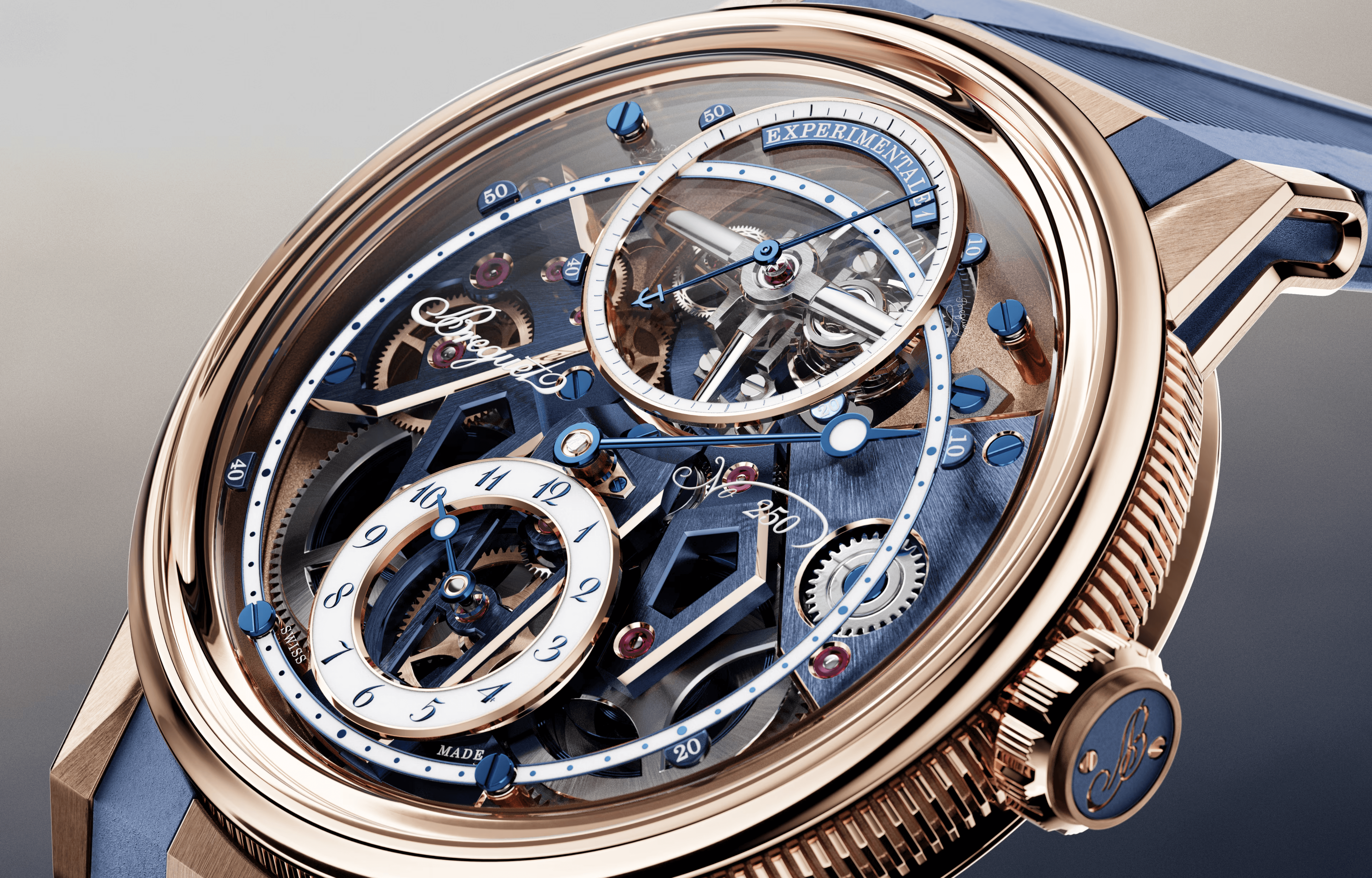
When I read about this watch, the thing that struck me most wasn't the technical specification. It was the logic. Breguet in 1801 looked at gravity, an invisible force silently corrupting timekeeping and choreographed it away. Breguet in 2025 looked at mechanical friction, another invisible force, different in nature but identical in effect and did the same thing. Different century. Different materials. Identical instinct. The Expérimentale No. 1 won widespread acclaim as the most significant technical achievement in watchmaking in years. I think it's more than that. I think it's proof that the idea Breguet had in 1793 - the idea of choreographing a problem rather than fighting it - is genuinely inexhaustible.
That final moment
There is a moment when you watch a tourbillon in person - actually watch it, not through a photograph or a video, when something shifts. The cage rotates. Unhurried, inevitable. Not showing off. Not decorating the dial. Solving a problem that has existed since the first watch was made, using a solution so elegant that 225 years of advancement hasn't improved on the core idea, only the materials used to express it. I keep coming back to the question it implicitly asks: what invisible force are you choreographing?

For Breguet in 1801 it was gravity. In 2025 it was friction. Every generation of watchmakers here has returned to the same question and found a new answer. That is not heritage. That is a living philosophy and it is exactly why the tourbillon, in 2026, is more relevant than it has ever been. The whirlwind never stops. It has no intention of starting.
To explore Breguet's latest whirlwind of four new tourbillon timepieces celebrating the invention's 225 years, click here.


