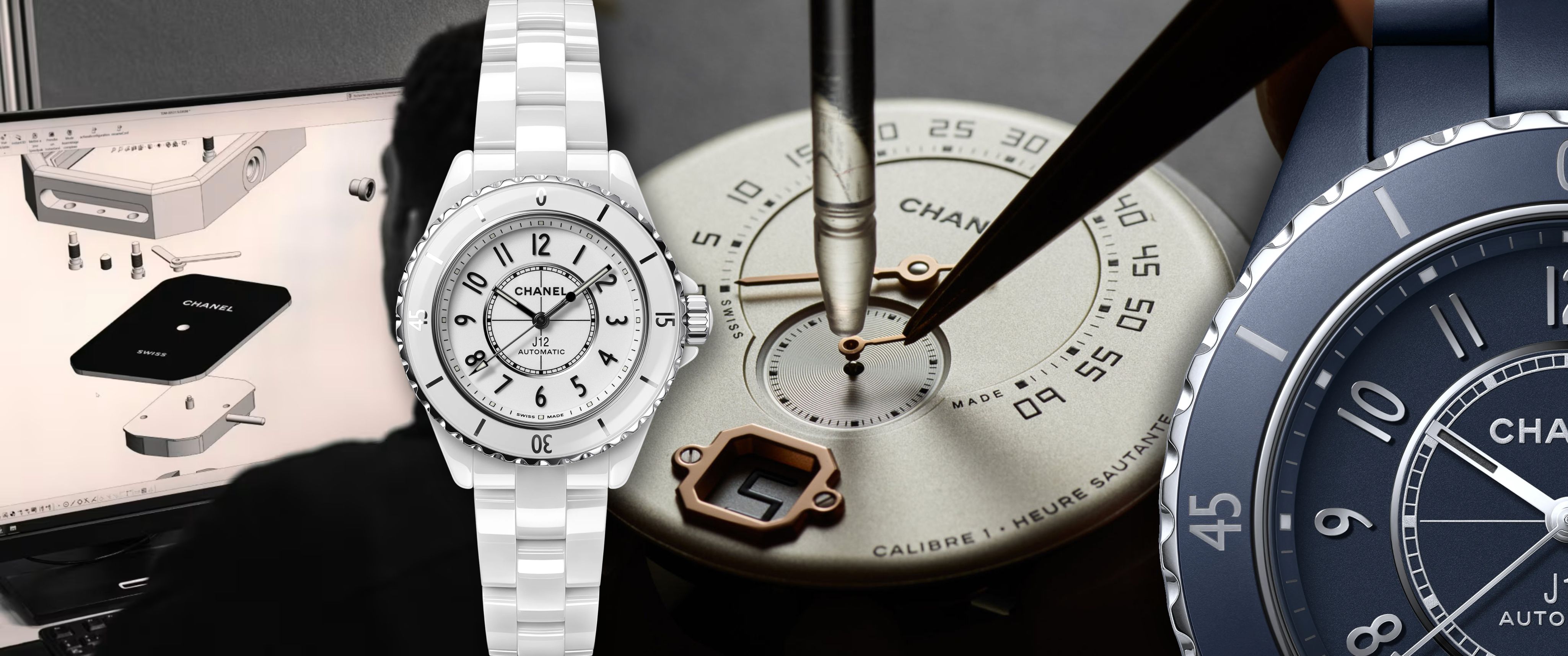
How Chanel Is Assembling Swiss Watchmaking’s Most Clever Portfolio
 5 min read


Ask a room of collectors to name the powers of Swiss watchmaking and you will hear Rolex, Richemont, Swatch Group, Patek Philippe and Audemars Piguet. Chanel would not make the top five. The J12, a ceramic sports watch that began life as a fashion house’s gesture towards the wrist, is what most people think of when they think of Chanel watchmaking.
By the usual measures, that modesty is deserved. Chanel’s watch division turned over an estimated CHF 390 million in 2025, which places it just inside the top 20 Swiss watchmakers by revenue. But turnover is a crude yardstick. In truth, influence might also be measured by what a company helps to preserve, which capabilities it sustains and which talents it allows to flourish. Measured that way, Chanel may be among the most consequential entities in the industry. It has spent more than three decades building a quiet network of stakes, suppliers and partnerships that gives it something rare: the ability to touch almost every layer of the craft.
The foundation: A factory of its own
The story begins in 1987, when Chanel set up a watch design studio on the Place Vendôme and introduced the Première, a quartz watch. It was elegant, unmistakably Chanel and, at first, more a fashion accessory than a declaration of horological intent.
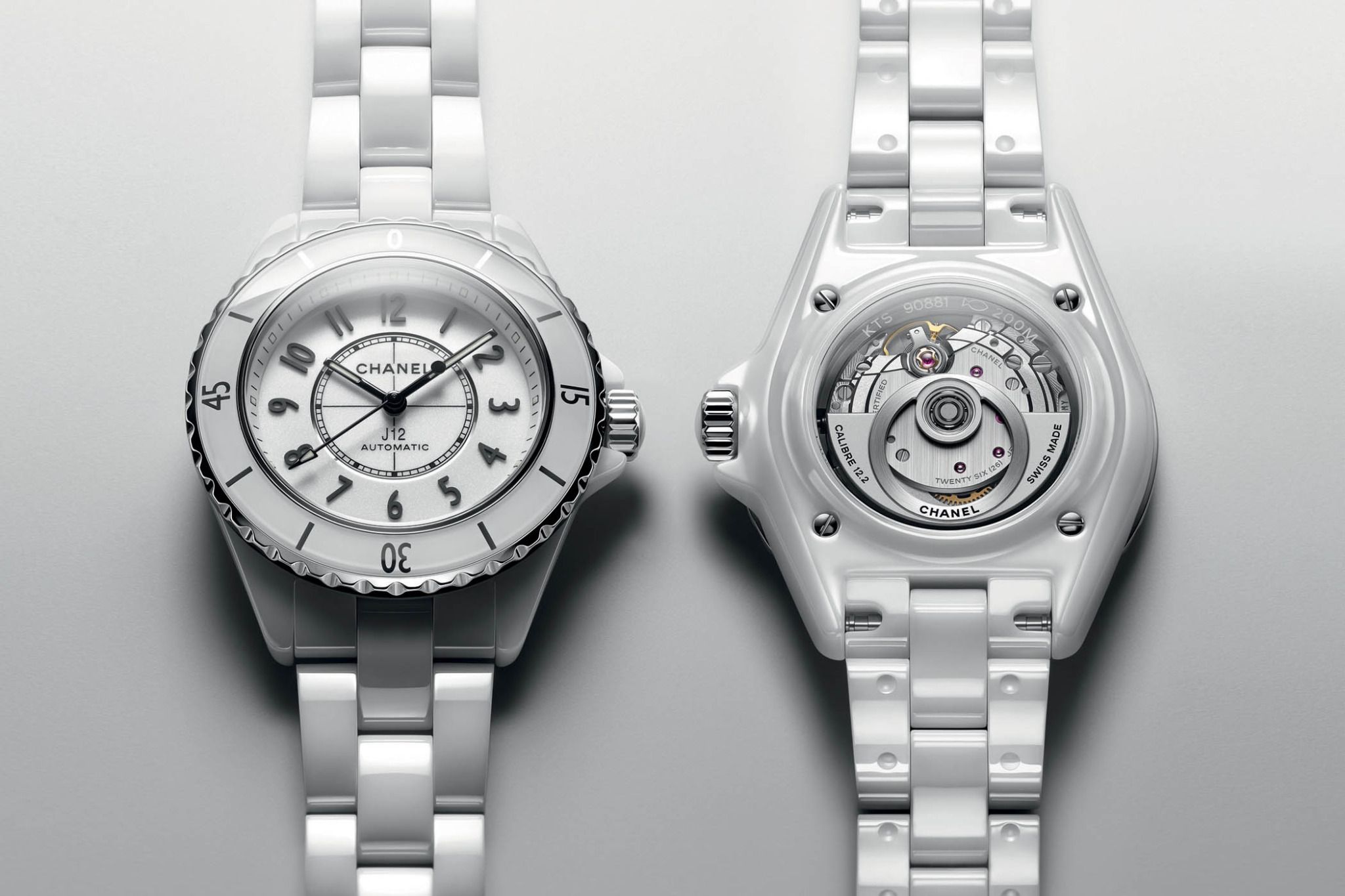
That changed in 1993, when Chanel acquired G&F Châtelain, a La Chaux-de-Fonds manufacturer specializing in cases, bracelets, components and jewelry. It was a foundational move. For a house that had no horological heritage, owning a Swiss factory was a statement of intent. With this, Chanel acquired the industrial means to manufacture watches, including the capability to produce the ceramic bracelets that would become central to the J12 which arrived in 1999 and became the proof of concept.
G&F Châtelain remains the assembly point for Chanel’s watches. In 1998 Chanel also took a stake in Bell & Ross, a French brand that has been part of its orbit ever since.
The independents: Buying into genius, not buying it out
Chanel’s most interesting moves are the minority stakes in independent watchmakers. Each is a different bet.
Romain Gauthier (2011)
Chanel has a 20-25% stake in Romain Gauthier. The Vallée de Joux watchmaker went beyond being an investment. He contributed to the movement development behind the Monsieur de Chanel and helped design and build the house’s first in-house venture, the Caliber 1. Gauthier is Chanel’s way of reaching fine finishing and movement architecture without having to grow that knowledge slowly in-house.
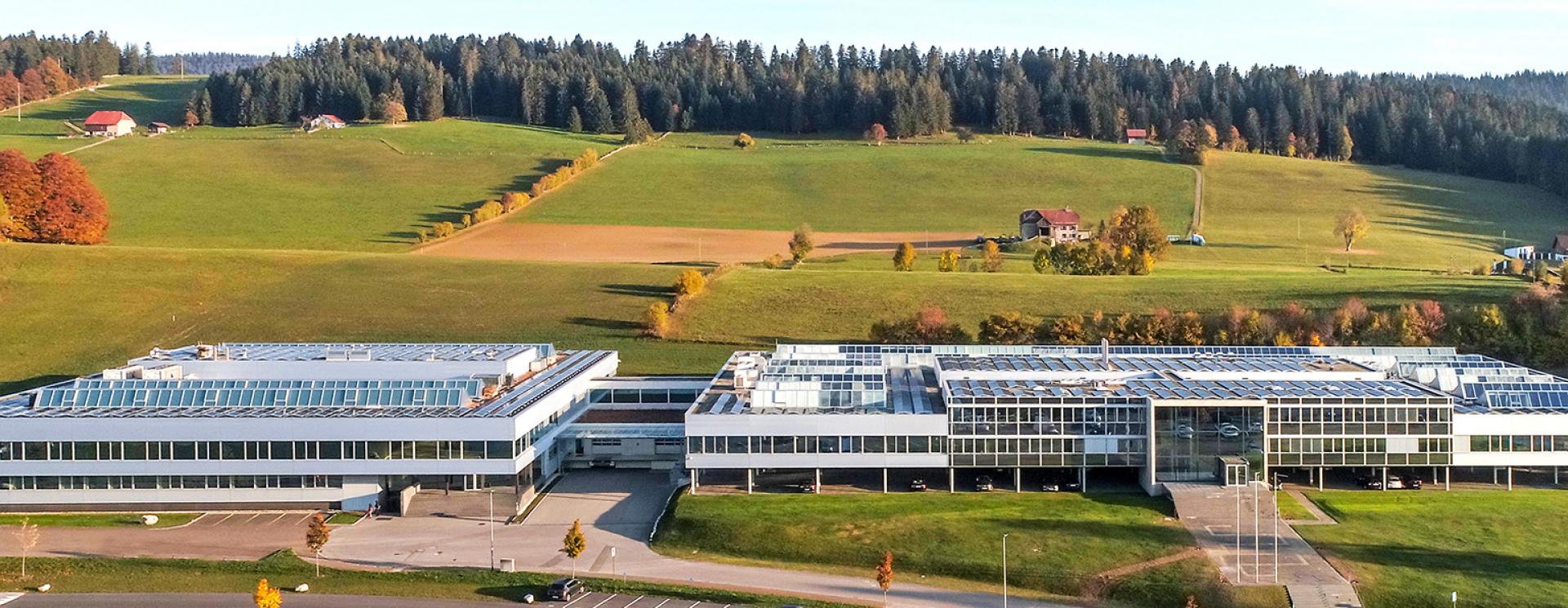
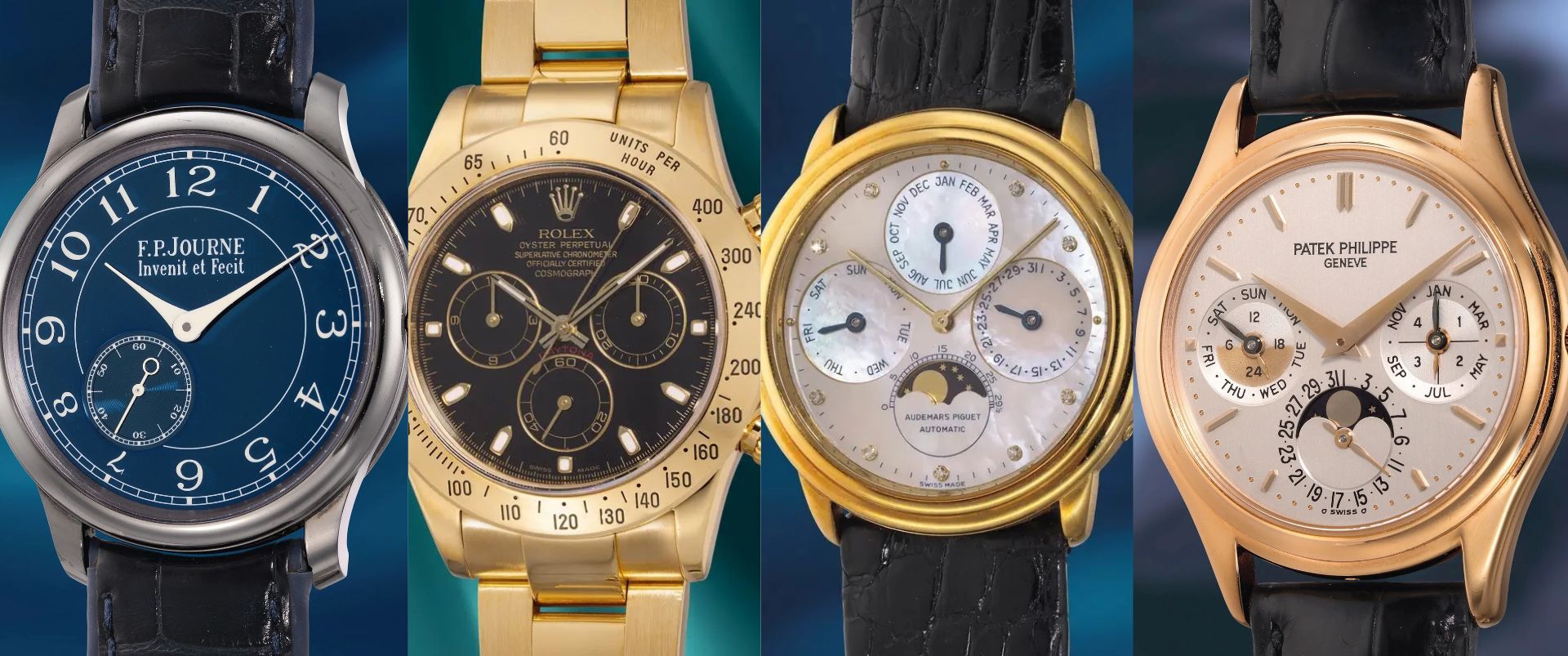
F.P. Journe (2018)
Chanel took 20% of Montres Journe SA. This is arguably Chanel’s smartest punt, since François-Paul Journe was already one of the most revered living watchmakers years before today’s collector frenzy. Chanel got a share in a brand with a peerless reputation and, more importantly, a lasting relationship with its founder.
MB&F (2024)
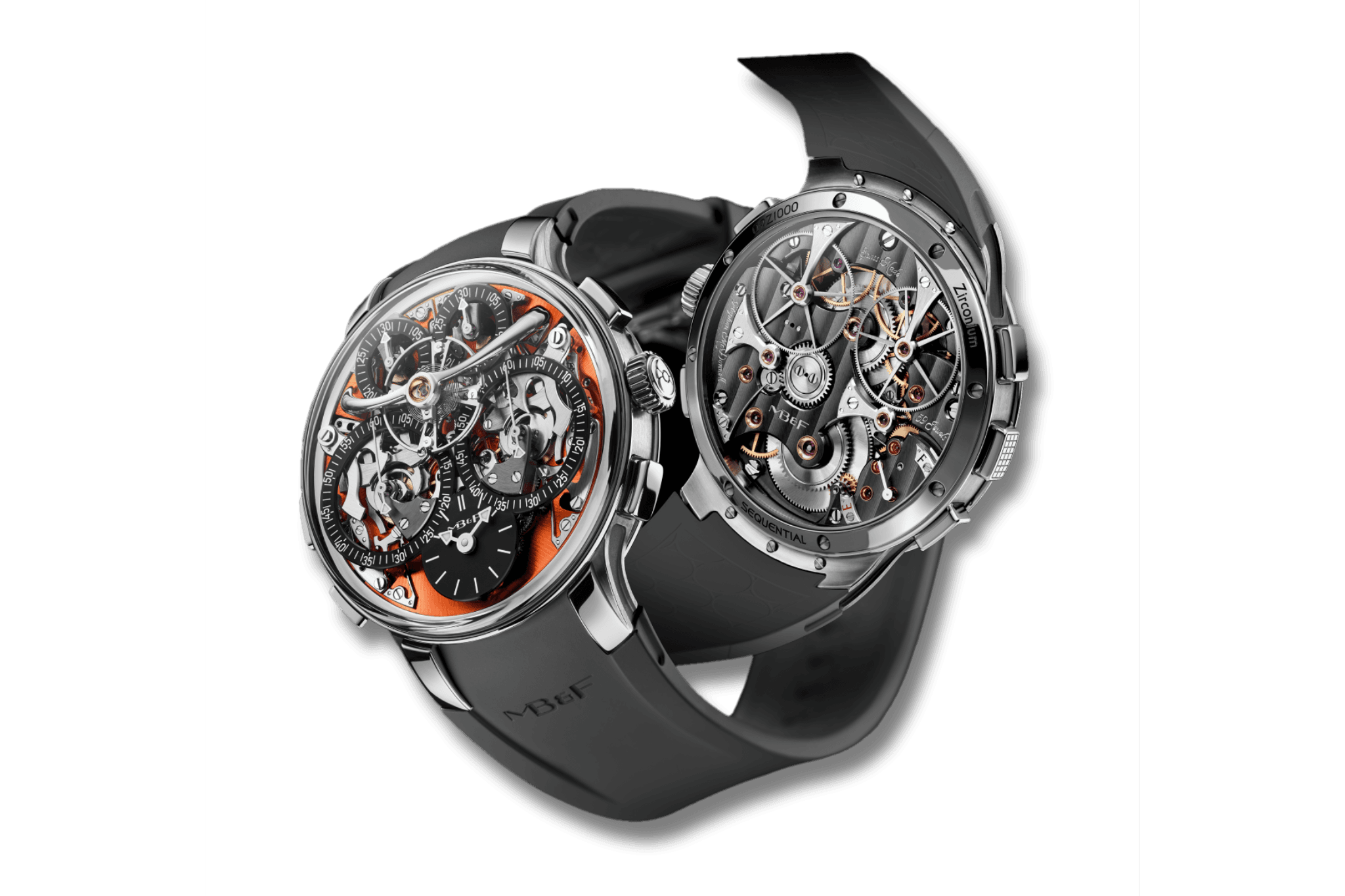
Chanel owns 25% of MB&F. Maximilian Büsser retained 60% and his partner Serge Kriknoff 15%, and the management team stayed in place. The brand had revenues of about CHF 45 million in 2023 and made 419 watches that year. Büsser said the investment would provide stability and resilience with a strong strategic shareholder, and, in his words, access when needed to Chanel’s wider ecosystem and network of specialized suppliers. The stake does not give Chanel a creative say. It gives a maker of avant-garde objects the security to keep making them, which is the kind of patronage Chanel would have recognized.
The industrial layer: Movements and components
Independents supply prestige and ideas. A real manufacture also needs reliable industrial capacity, and Chanel has built that too. G&F Châtelain was the foundation acquisition in this regard and the network has only expanded since.
Kenissi (2019)
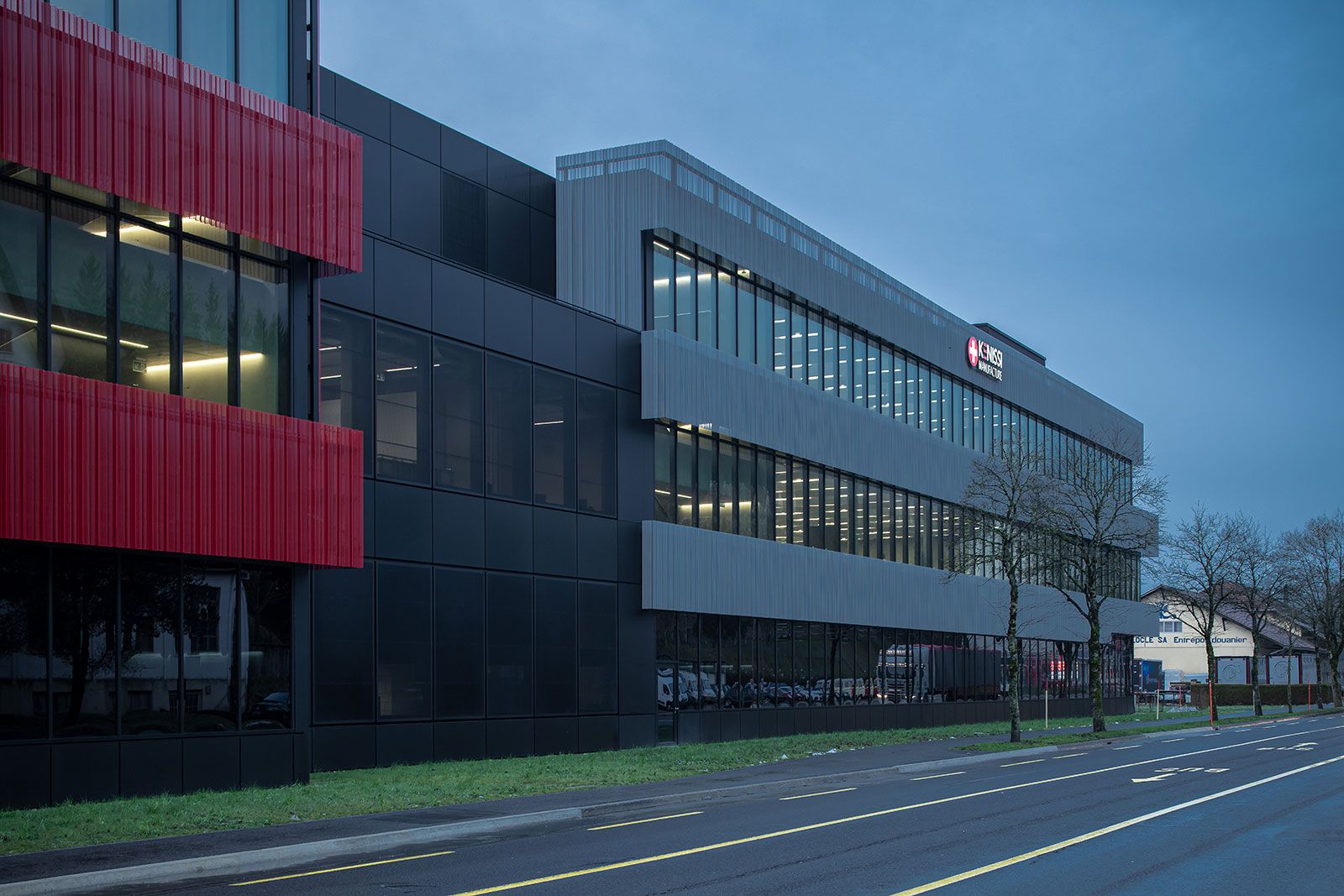
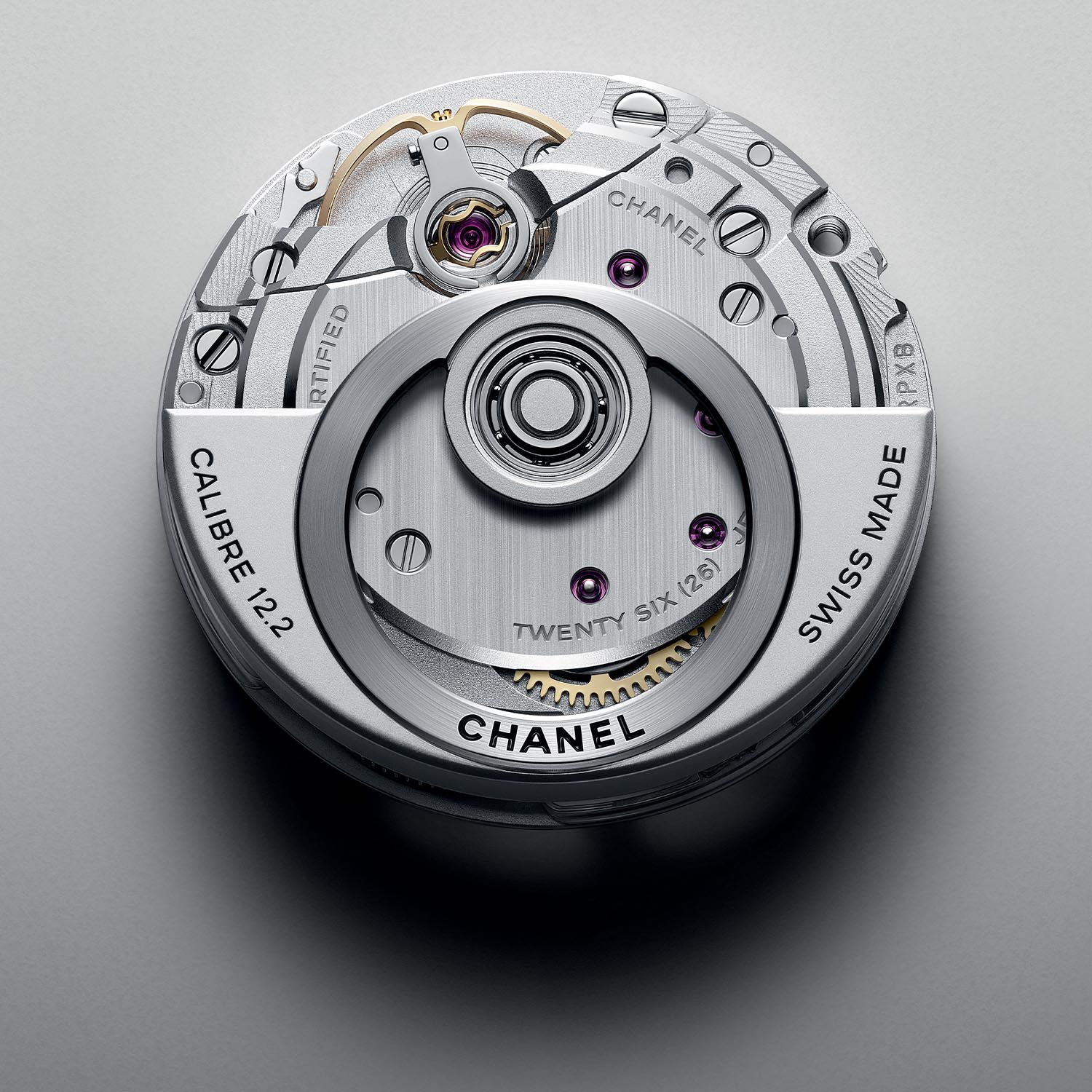
Chanel took a 20% stake in Kenissi, the movement manufacturer closely associated with Tudor and partially owned by Rolex. Kenissi started in Geneva and moved into a new building in Le Locle, which it shares with Tudor. The significance is easy to miss. A watch priced from the high four figures upward that depends on a bought-in ETA or Sellita movement is a hard sell to an informed customer. Kenissi frees Chanel from the large suppliers that once decided which brands received movements. Its calibers now power models including the J12 with the Caliber 12.1, and also its 33mm version with the COSC-certified Caliber 12.2. The Rolex connection also means Chanel has a seat, however modest, in one of the most respected industrial ecosystems in the business.
Kross Manufacture (January 2026)
Chanel acquired 30% of Kross Manufacture, the production arm behind Marco Tedeschi’s Kross Studio. Kross Studio is known for pop-culture tie-ins such as Space Jam and Batman, which tend to obscure what lies beneath: a largely in-house operation that makes components for other brands, from movement design to CNC machining to small-scale decoration. This acquisition may prove to be Chanel’s most significant investment so far. It differs from the Journe and MB&F stakes, which are backing for independent players. In Kross, Chanel has invested in a manufacture with experience serving third parties, which supplies the capital for Kross to expand and gives Chanel a way to tap that capacity for its own needs. It also fills a gap, because G&F Châtelain was never primarily a movement-maker.
The newest piece: Ebel
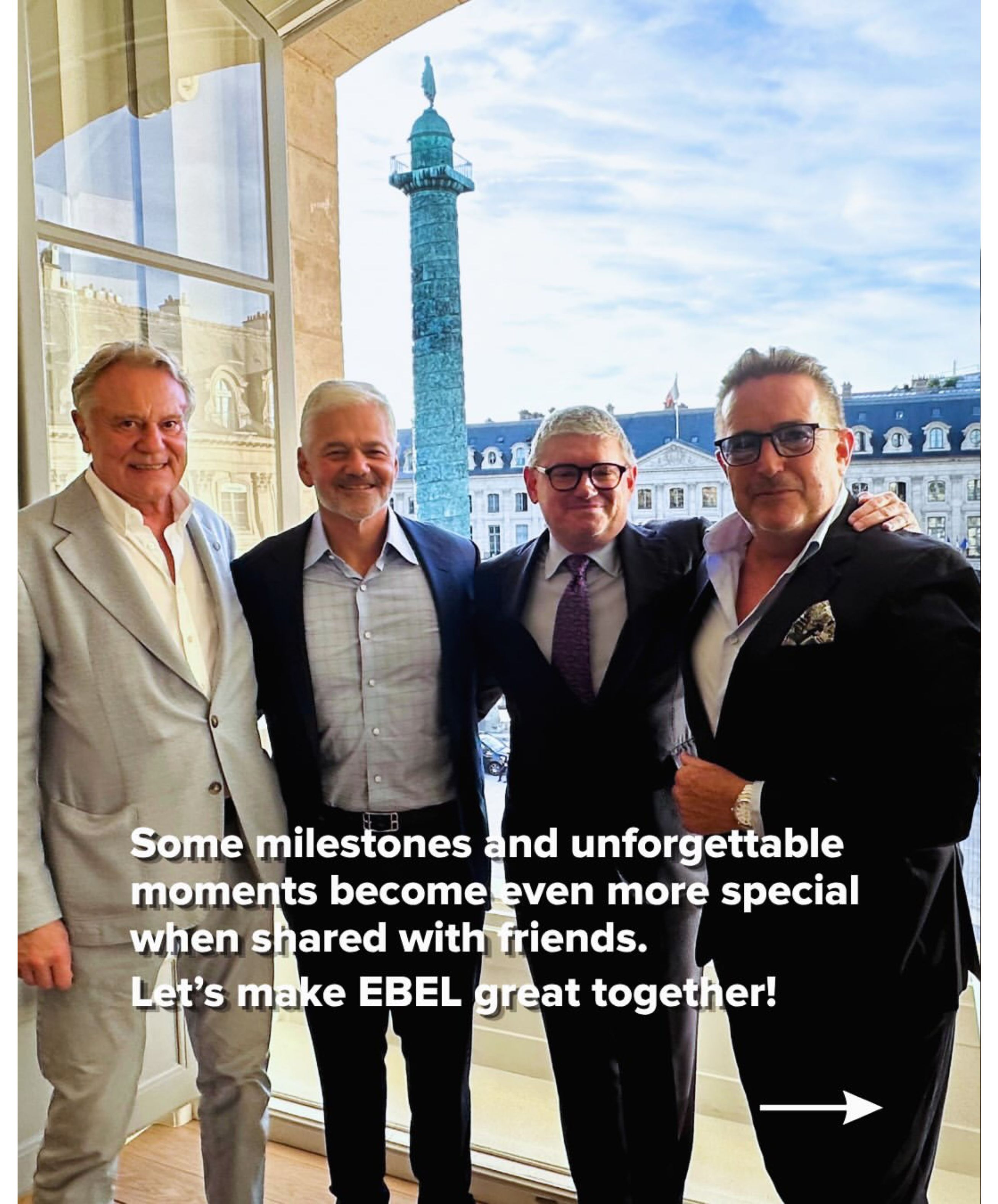
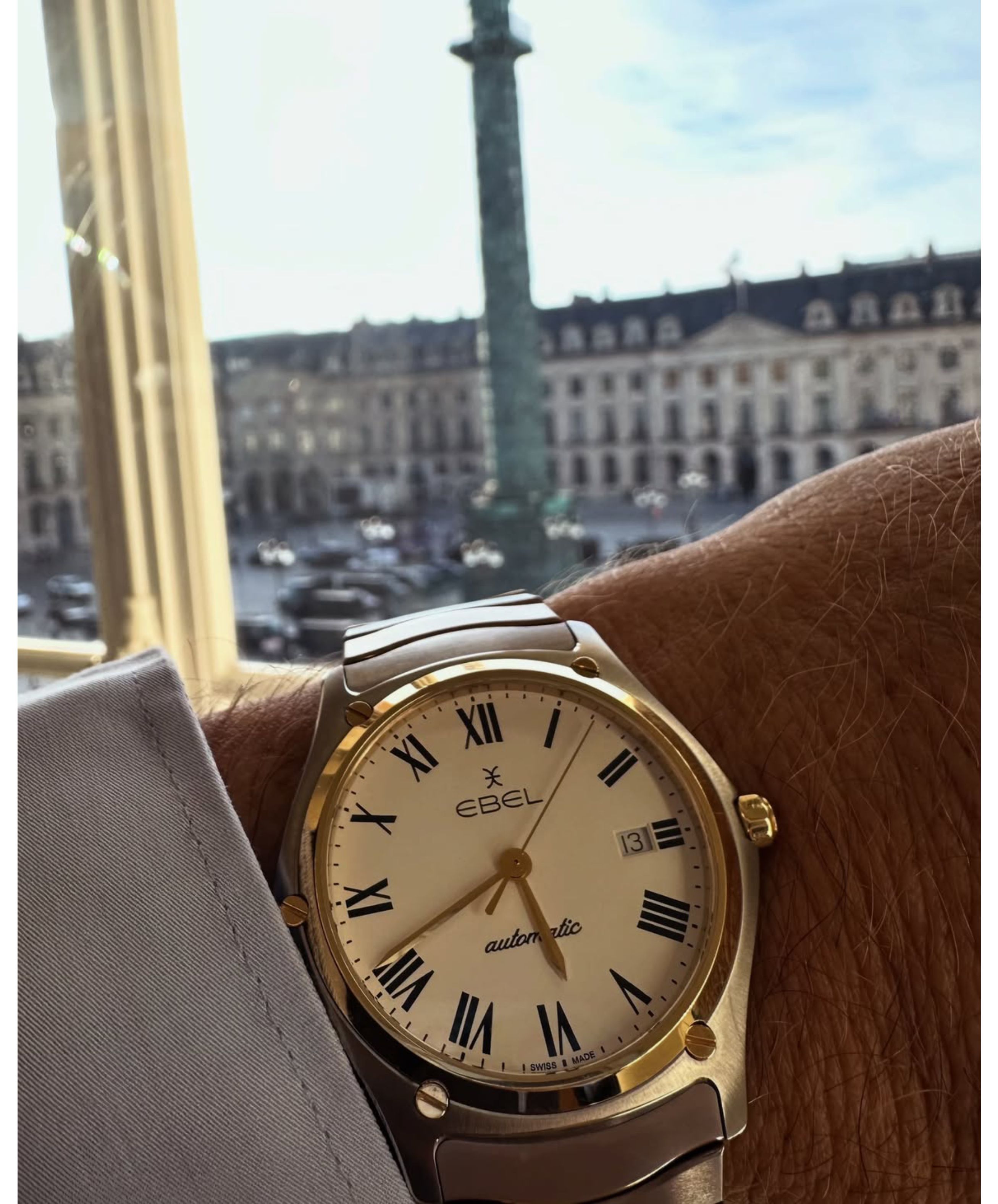
In October 2026, the Movado Group announced the sale of a 95% interest in Ebel for $66.5 million to a consortium led by Montres Journe SA, with Chanel and Pierre Jacques, the former CEO of De Bethune, who becomes Ebel’s chief executive. Movado keeps 5%.
Ebel is a different kind of proposition from the rest. Many, including LVMH and Movado, have tried and failed to revive it. Ebel is a rebuilding job. If Chanel and Journe succeed, they will have proved that a historic name can be revived by patient capital and a maker’s sensibility.
What it all adds up to
Taken together, the portfolio covers nearly the whole horological spectrum:
Holding | Stake | What it brings |
|---|---|---|
G&F Châtelain | Owned outright (1993) | Cases, bracelets, assembly |
Bell & Ross | Partial (1998) | A consumer brand in the portfolio |
Romain Gauthier | Minority (approx. 20-25%) (2011) | Movement design and fine finishing |
F.P. Journe | 20% (2018) | Haute horlogerie credibility |
Kenissi | 20% (2019) | Industrial movements, Rolex-adjacent know-how |
MB&F | 25% (2024) | Avant-garde creativity, supplier network |
Kross Manufacture | 30% (2026) | Component and movement capacity |
Ebel | Undisclosed (2026) | A heritage brand to revive |
The J12 may well remain what the public knows of Chanel watchmaking. The network behind it is the real story, and Chanel has so far chosen not to tell it loudly.
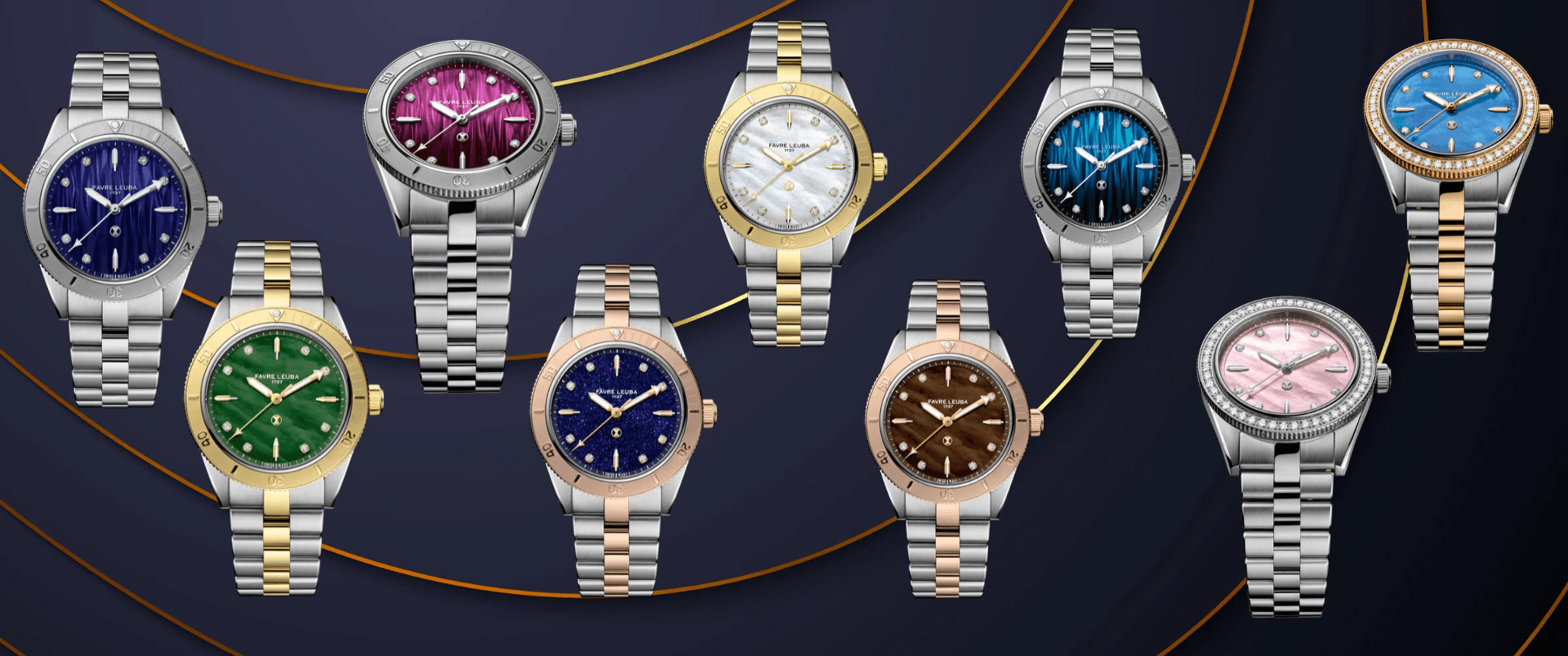
Chanel unites jewelry, couture, and horology with unique monochromatic novelties

Frequently Asked Questions
Kenissi is a Swiss movement manufacturer that supplies high-grade, customizable ébauche movements, including calibers used in Chanel’s J12.
G&F Châtelain is Chanel’s Swiss manufacturing base, producing cases, bracelets, components, jewelry and watches.
Chanel is securing specialized skills, movement capacity, component supply and creative expertise to strengthen its own watchmaking.