CEO Patrik Hoffmann On Favre Leuba And Gaurav Gupta's Collaboration
 7 min read

Some conversations never really begin, they simply resume. Catching up with Patrik Hoffmann, CEO of Favre Leuba, felt exactly like that. Having known each other for well over two decades, our meetings have always been less about formal interviews and more about picking up where the last conversation ended. Over the years, I've watched him navigate some of Swiss watchmaking's most respected maisons, from his influential tenure at Ulysse Nardin to his current role steering one of the industry's oldest names into a new era. He was also recently named the CEO Of The Month in June by The Hour Markers.
Yet, as we sat down once again, it became apparent that even our decades-long acquaintance is but a footnote compared to Favre Leuba's own enduring relationship with India. That story began in 1865, when Fritz Favre travelled to the subcontinent, becoming one of the first Swiss watchmakers to introduce fine horology to India. The bond only deepened over the decades and Favre Leuba became a prominent brand in the Indian luxury watch market. Even amid the uncertainty that followed the Second World War, the company reaffirmed its commitment by establishing a permanent office in Bombay in 1945, a remarkable vote of confidence in a market it had come to regard as home.
Today the brand’s grand vision is transformed into a retail reality. In 2025, KDDL acquired a majority stake of 93.07% equity in Silvercity Brands AG, the owner of Favre Leuba. KDDL holds shares in Silvercity both directly and indirectly through its subsidiaries, Mahen Distribution and Ethos. As Favre Leuba embarks on yet another defining chapter in India under knowledgeable Indian ownership, Hoffmann offers a candid look at the road ahead, from commercial strategy and product philosophy to creative watch collaborations and the realities of competing in one of the world's most dynamic luxury markets. If you would like to read more about the brand's return, click here.
Leadership Vision and Global Strategy
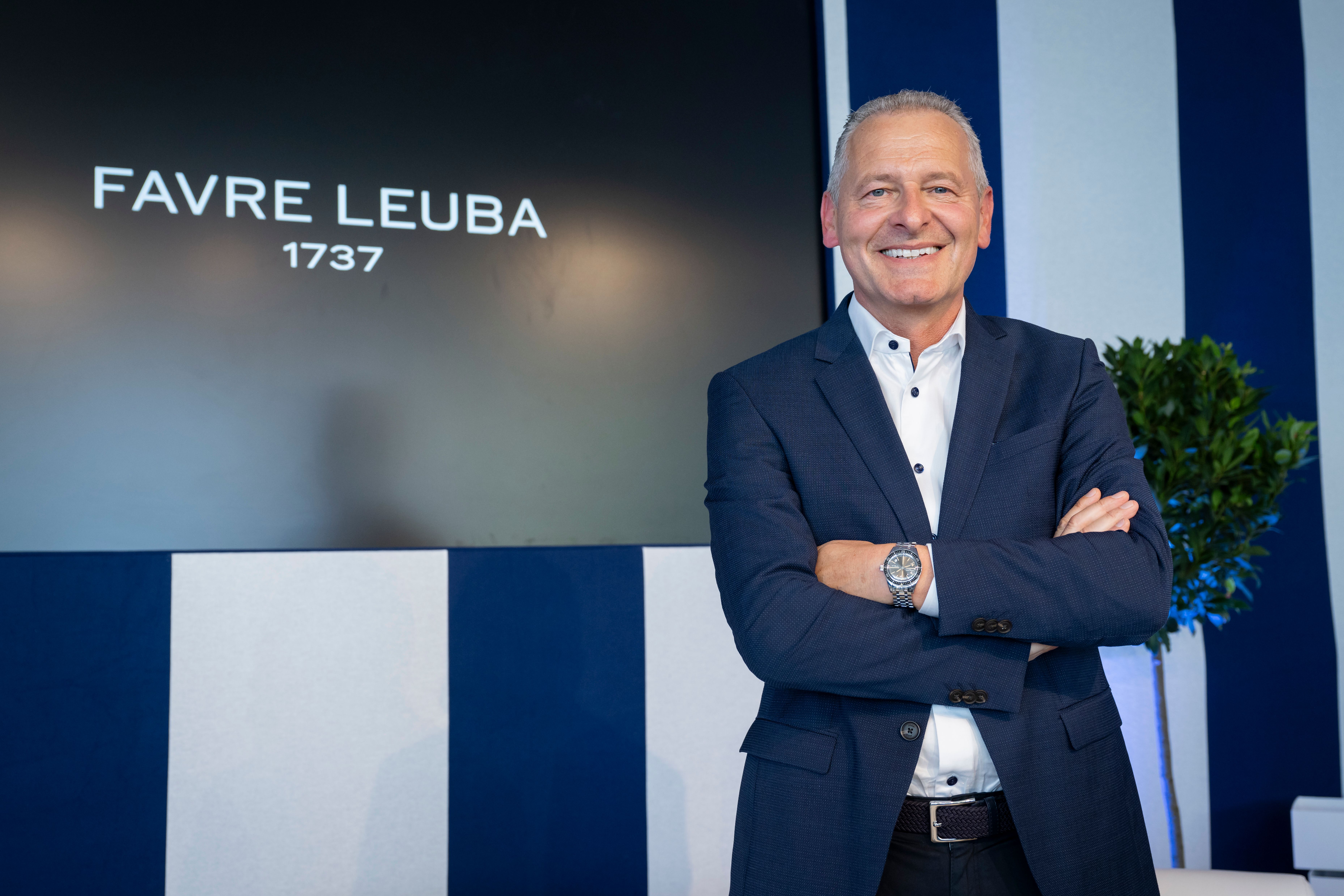
It was only natural that our conversation began with leadership - what it means to guide a 288-year-old brand into a new chapter, particularly one now backed by owners who understand both horology and the Indian market. Patrik was refreshingly candid from the outset. When the acquisition first presented itself, he admitted that immersing himself in Favre Leuba's remarkable history became an immediate priority. His vision, however, was never to preserve the brand as a museum piece driven purely by nostalgia. Instead, he wanted to transform it into something commercially relevant - Swiss-made, wearable, approachable, and competitively priced.
I've always found it fascinating how every region believes its consumers are fundamentally different. Hoffmann laughed as he recalled hearing the same refrain from distributors across Japan, America, India, and virtually every other market. "People always say to me, and they've been in the trade now for a long time, they say, oh, you know, our market is different." For Hoffmann, the reality is far more nuanced. Markets certainly have their own cultural characteristics, but great products transcend geography. Rather than over-engineering collections for individual regions, he believes the strongest watches possess universal appeal while allowing marketing to adapt to local sensibilities.
Naturally, I wanted to understand where India fits within that broader global vision, particularly as it currently represents Favre Leuba's largest market. While Hoffmann hopes other regions eventually achieve similar momentum to create a healthier global balance, he also acknowledged that marketing requires a distinctly local approach. That philosophy was evident in the brand's decision to appoint cricketer Hardik Pandya as its ambassador just ahead of Watches and Wonders Geneva, a move that coincided perfectly with Favre Leuba's historic return to the world's biggest watch fair. Sometimes, however, timing is simply impossible to manufacture. "Sometimes you need a bit of luck as well, I'm very honest with you. I mean, it was, as you say, the timing, they won. I mean, everything was lining up."
Are Dive Watches Becoming Dress Watches?
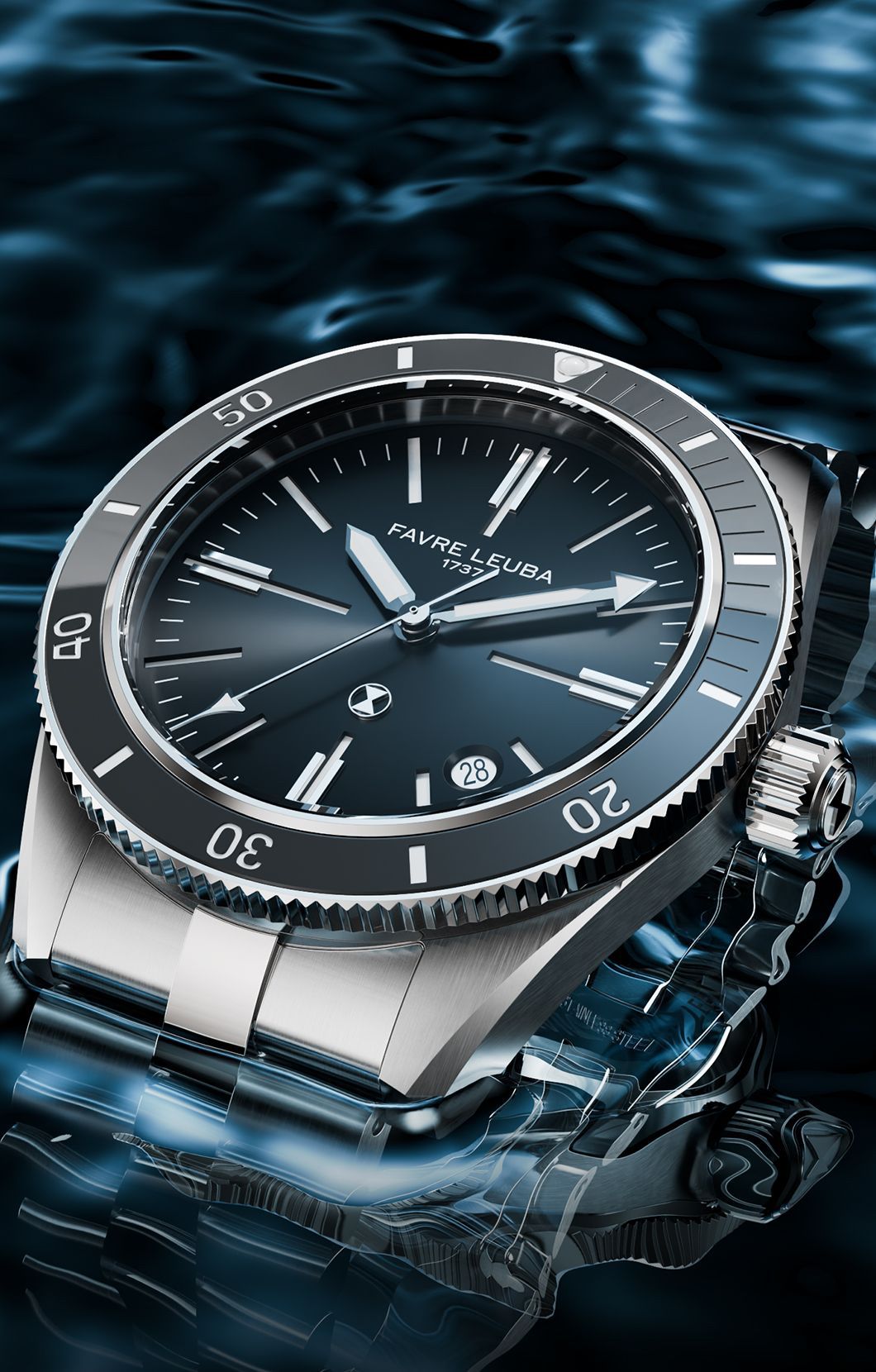
Our conversation naturally shifted towards the watches themselves, particularly the Renaissance collection - a 300-metre diver that balances robust tool-watch credentials with refined finishing, including an exhibition sapphire caseback. I wondered whether combining professional dive-watch capability with such elegant detailing might leave collectors unsure of its intended purpose. Hoffmann dismissed the concern with characteristic pragmatism.
"I don't think a diver is going to wear it when he goes and dives. So, I call those watches, and not only with Favre Leuba, many times a city diver." His point was simple: modern dive watches rarely spend their lives underwater. Instead, they succeed because buyers are drawn to the confidence, proportions and visual language they represent. To read more about the Renaissance collection, click here
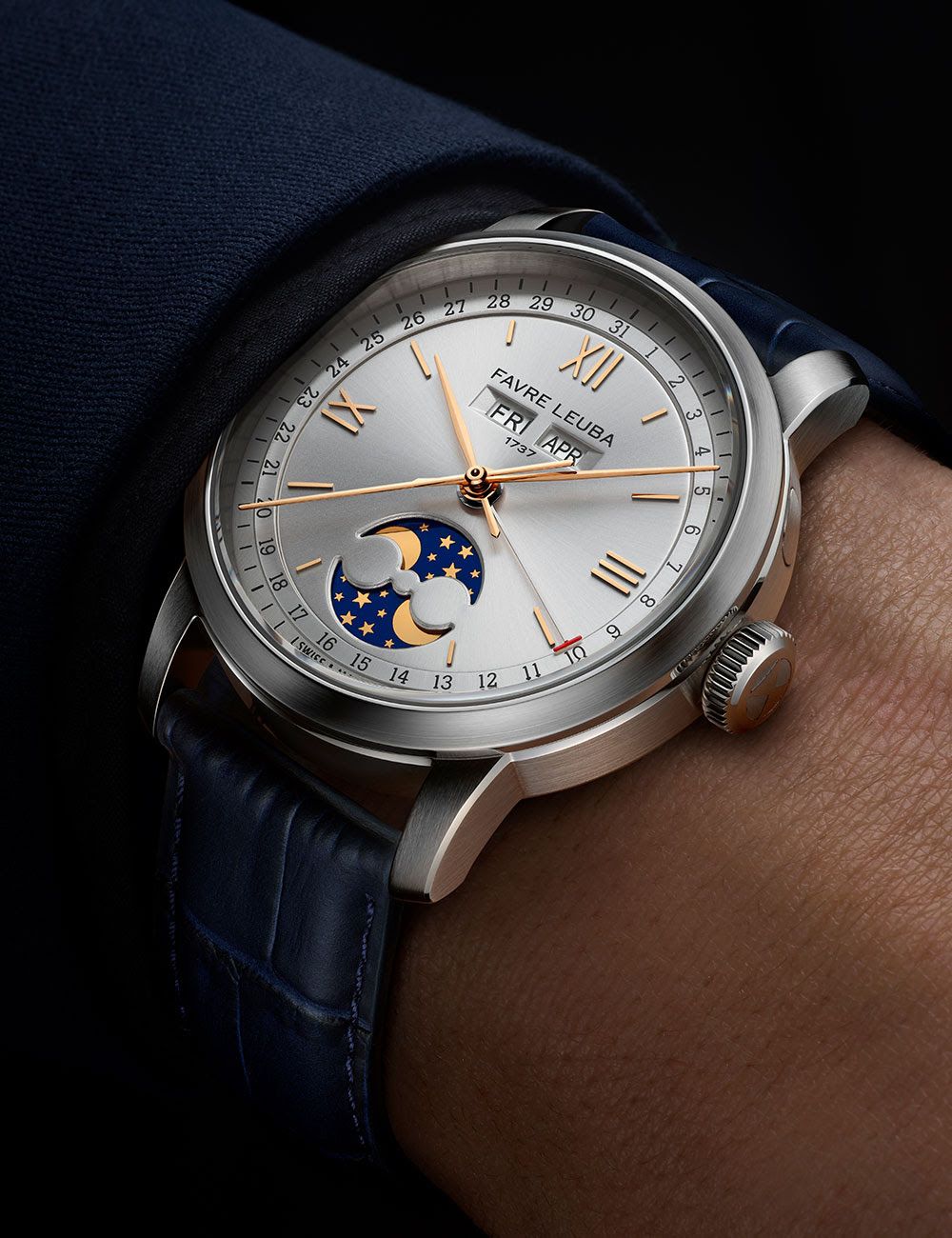
That led us into a broader discussion about complications. While I've always considered the humble day-date among the most practical features for everyday wear, Hoffmann recounted an amusing conversation with an industry veteran who had worked closely with Favre Leuba during the 1970s and argued that chronographs themselves were largely unnecessary. Ultimately, Hoffmann believes the appeal of complications extends beyond utility. "If you look at the chronograph, just like the dive watch is not really used to dive, a chronograph is not really used to tell time." In his view, watches are as much about emotion and aesthetic character as they are about function. Sometimes, the feeling a complication evokes matters far more than how often its pushers are actually pressed.
The Gaurav Gupta and Favre Leuba Association
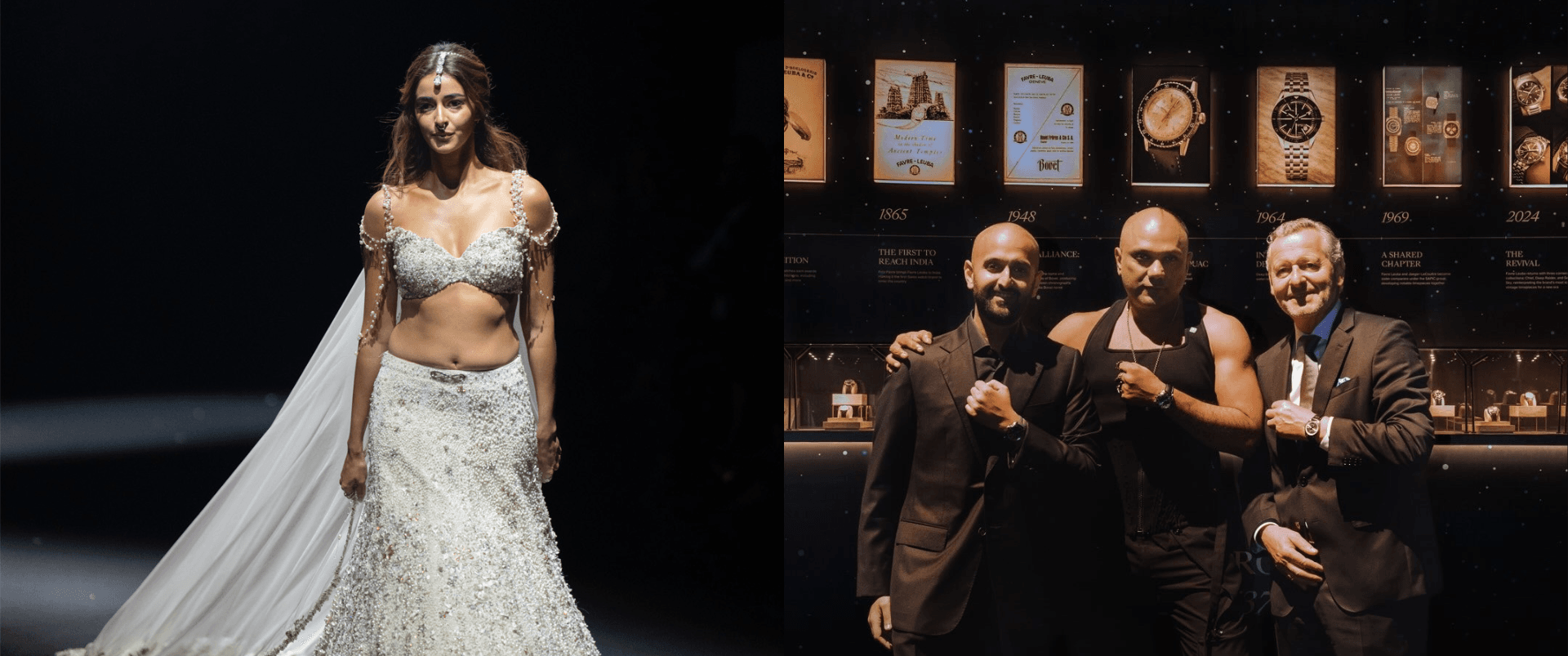
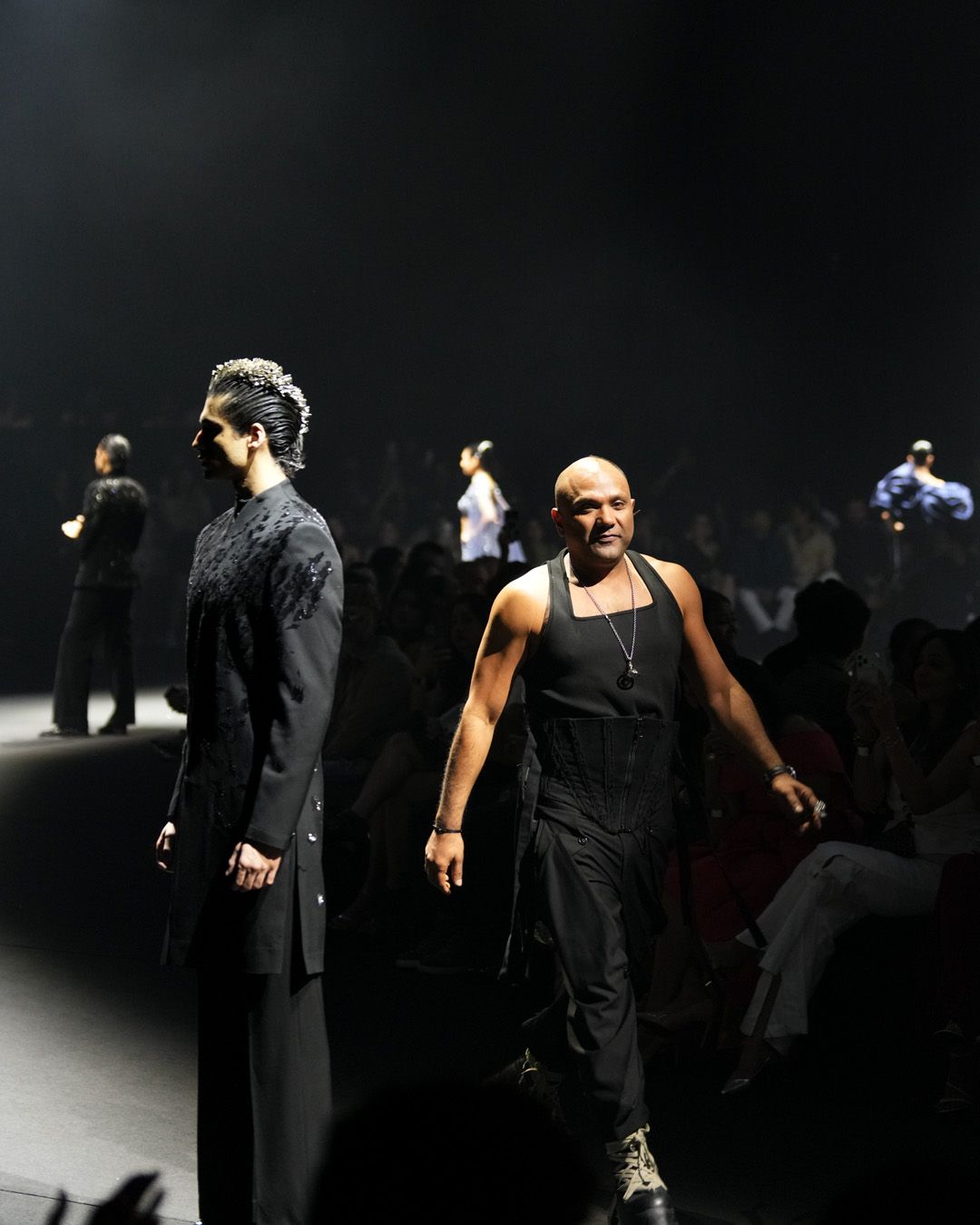
Looking ahead, our discussion turned towards collaborations - a space where Favre Leuba enjoys genuine historical credibility through partnerships with names such as Patek Philippe, Zenith and Jaeger-LeCoultre. Hoffmann revealed that the brand intends to continue exploring fresh creative partnerships. "Now, we are looking into all kinds of collaborations. It could be with another watch brand. It could be with designers." That naturally led to the announcement that caught everyone's attention: a collaboration with celebrated Indian couturier Gaurav Gupta.
Curious about what inspired the partnership and why Gupta in particular, I asked Hoffmann what made the pairing feel right. "Why him? I think that's also a practical or a pragmatic approach because there was a connection. It fits." His answer reflected both respect for Favre Leuba's collaborative heritage and a pragmatic understanding of where luxury is heading today. For Hoffmann, horology and haute couture increasingly occupy the same creative space. Both disciplines demand uncompromising craftsmanship, relentless innovation and an instinctive understanding of evolving aesthetics. Rather than feeling like a marketing exercise, the partnership is rooted in shared artistic values.


The prospect itself is undeniably intriguing. Given Gupta's boldly sculptural design language, I confessed I was especially curious to see how his unmistakable visual identity, perhaps even elements such as his iconic peacock-inspired motifs could be translated onto the restrained canvas of a Swiss watch dial.
Hoffmann, however, urged patience. Developing such a collection will inevitably take time. Combining avant-garde fashion with traditional Swiss watchmaking, all while remaining within a commercially accessible price bracket, presents considerable technical and creative challenges. Yet that balancing act is precisely what makes the project exciting. Naturally, I also asked whether Favre Leuba's longstanding relationship with India might eventually result in a dedicated India-exclusive edition. While Hoffmann confirmed that a limited-edition series is indeed under consideration, he was equally clear that it would never become the brand's central narrative. With India's homegrown watch industry enjoying unprecedented momentum, he believes it is more important than ever for Favre Leuba to maintain its identity as an international Swiss manufacture rather than relying too heavily on regional exclusivity.
The Secret To Cracking the Indian Luxury Market
Before concluding, I asked Hoffmann what he believes separates the brands that merely enter India from those that genuinely succeed here, a question informed by his own experience observing the market since 2008. His admiration for India's transformation was unmistakable. "I think I am very proud that I was one of the first ones to see the potential of India." He described a retail landscape that has evolved beyond recognition, with luxury malls and retail infrastructure that, in many respects, rival and sometimes surpass their Western counterparts. Supported by a rapidly expanding affluent middle class and increasingly sophisticated consumers, India has become impossible for global luxury brands to ignore. In Hoffmann's opinion, any Swiss executive who still underestimates the country's importance is simply overlooking one of the industry's defining growth markets.
Yet his most valuable insight was surprisingly uncomplicated. Listen. Rather than attempting to dictate strategy from a boardroom thousands of kilometres away, brands must spend time in the market, engage with retailers, understand local partners and, above all, hear directly from consumers. As Hoffmann concluded: "You have to listen to people like you who are a long time in the industry. You have to listen to the retailer, the partners, and then consumers which you meet. But India is really accessible now."
Leaving our conversation, it struck me that Favre Leuba's revival is not simply about resurrecting a historic Swiss name. It is about respecting nearly three centuries of heritage while remaining open enough to evolve. Having known Patrik for over twenty years and watched him shape brands through different chapters of his career, I have come to appreciate that his greatest strength has never been nostalgia. It has always been the ability to recognise when tradition should be preserved, and when it should quietly step aside to make room for the future.
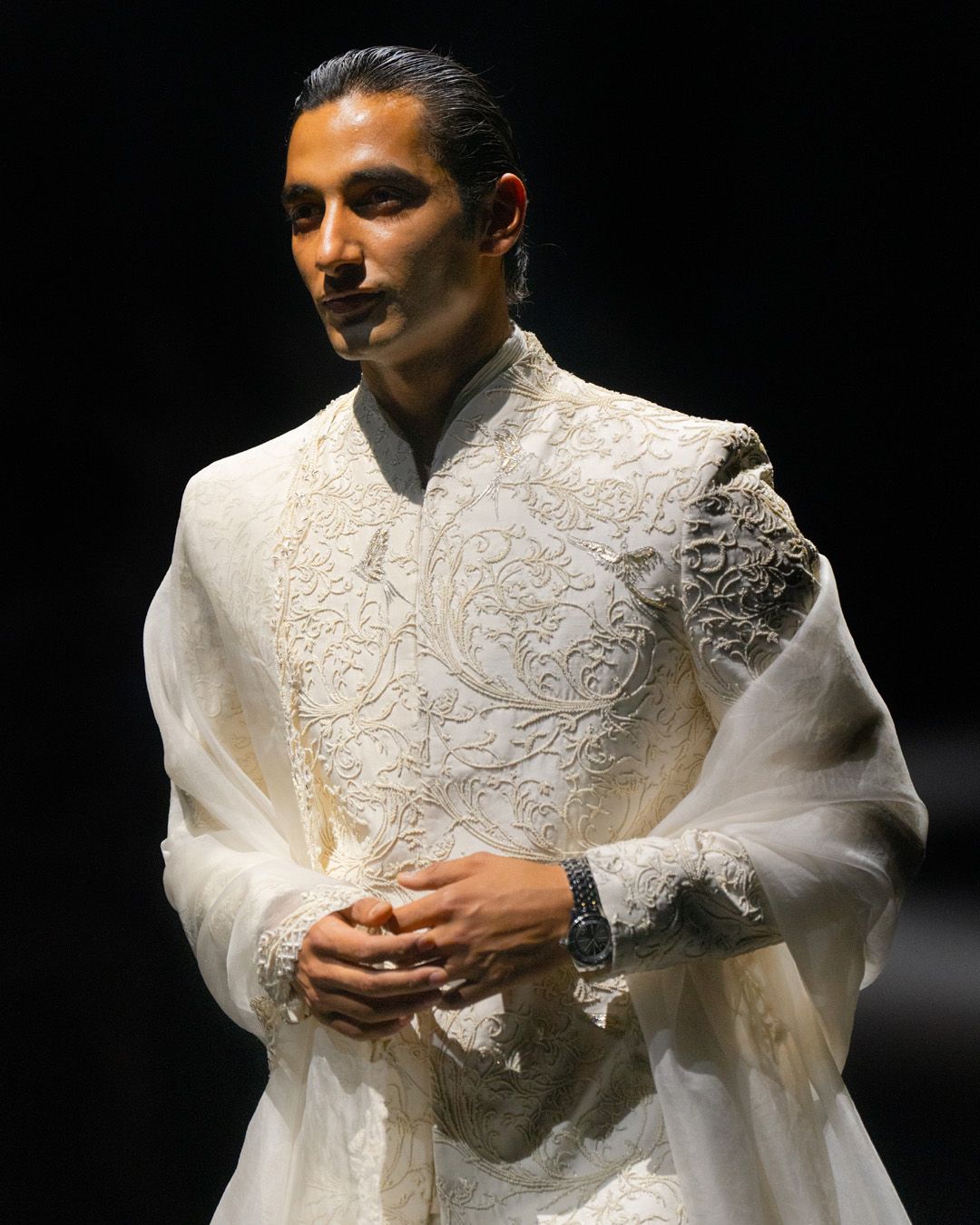
In many ways, that philosophy mirrors Favre Leuba's own journey in India: a relationship that began in Bombay more than a century and a half ago, and one that now looks firmly beyond it.
Favre Leuba watches are available at the Ethos watch boutiques.


