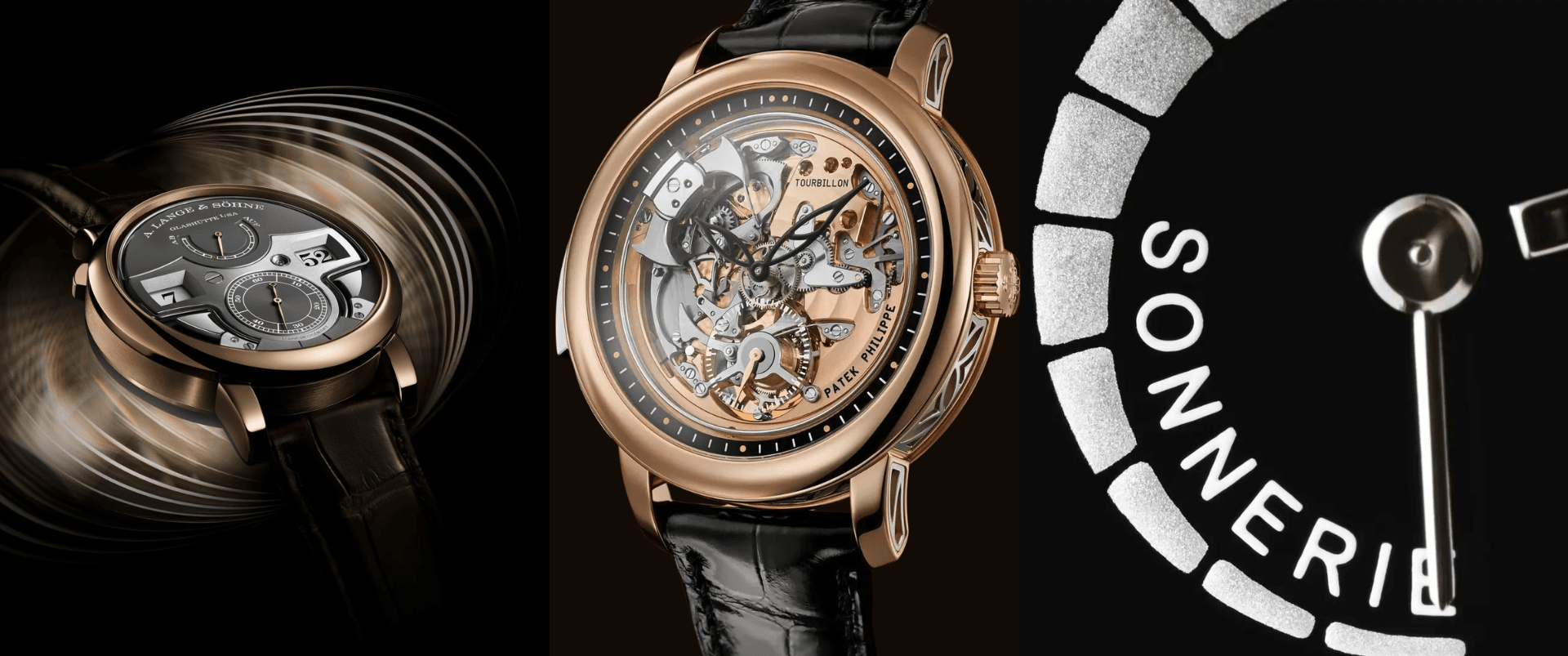
The Art Of Audible Time: The Minute Repeater's Remarkable Journey
 11 min read

As young boys and girls, we always dreamt of space. It’s a very generic and common imaginative subject that draws intense awe. Nothing made us wonder more than the void above us and it was an entity of peak curiosity. The ocean, at least, was an adjacent another. It shared that same sense of terrifying, beautiful vastness.
So, when you’re imagining interstellar travel within the 100 billion stars that make up our galaxy, which itself is one among a 100 billion more galaxies within what we term as the “observable universe,” it’s profoundly assuring to have something as a reminder and expression of our origin, a.k.a. home.
Japanese astronaut Satoshi Furukawa chose Lego bricks to accompany him on his trip to the ISS in 2012. It was a tactile connection to an Earthly embrace. Personally, I’d have gone with the Patek Philippe 5102 Sky Moon Celestial. Where the internet doesn’t function and language is a major barrier, this watch communicates, also with extraterrestrials, without any prescribed jargon and serves as an intergalactic proof of origin as well as a universal language to express the realities of time and existence for us homo sapiens.
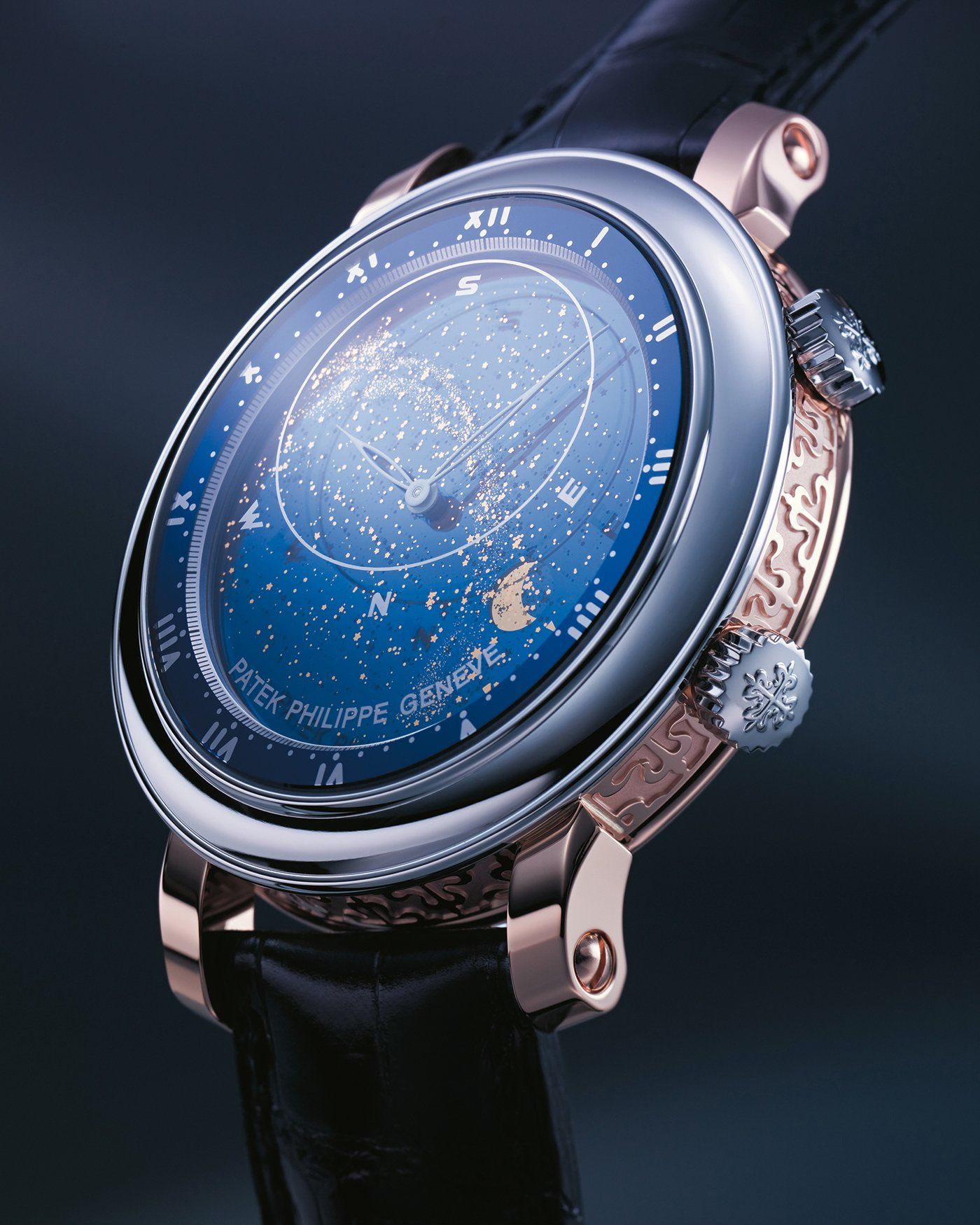

But why the 5102 Sky Moon Celestial and what’s so special about it? The said is a very superlative example of Patek Philippe’s core speciality, i.e. complications. But don’t get the idea that it’s romantic relationships we’re referring to when you see the word “complications.” In watchmaking terminology, it’s an intimate desirable and a technical expression of the highest order. It’s also the principal iteration and realization of the third pillar against which an iconic reference can be judged. In watches, a level of complexity and chaos is imperative to realize via a tangled mess of gears and levers, a purpose as definitive as expressing one’s state of existence in an endless vacuum.
What Is A Complication?
In watchmaking, a “complication” means any feature beyond basic hours, minutes, and seconds -date windows, moon phases, or chimes that stem from engineering ingenuity. These found an opus via genuine human curiosity and inventiveness, turning necessity into an artform, as delectably exhibited via the Patek Philippe 5102 Sky Moon Celestial.
The said timepiece is an immediately seductive amalgam of complicated mechanics where the dial real estate is occupied by a very detailed map of the night sky. The deep blue dial showcases the apparent movement of the stars, the time of meridian passage of Sirius and the moon as well as the phases and orbit of the moon.
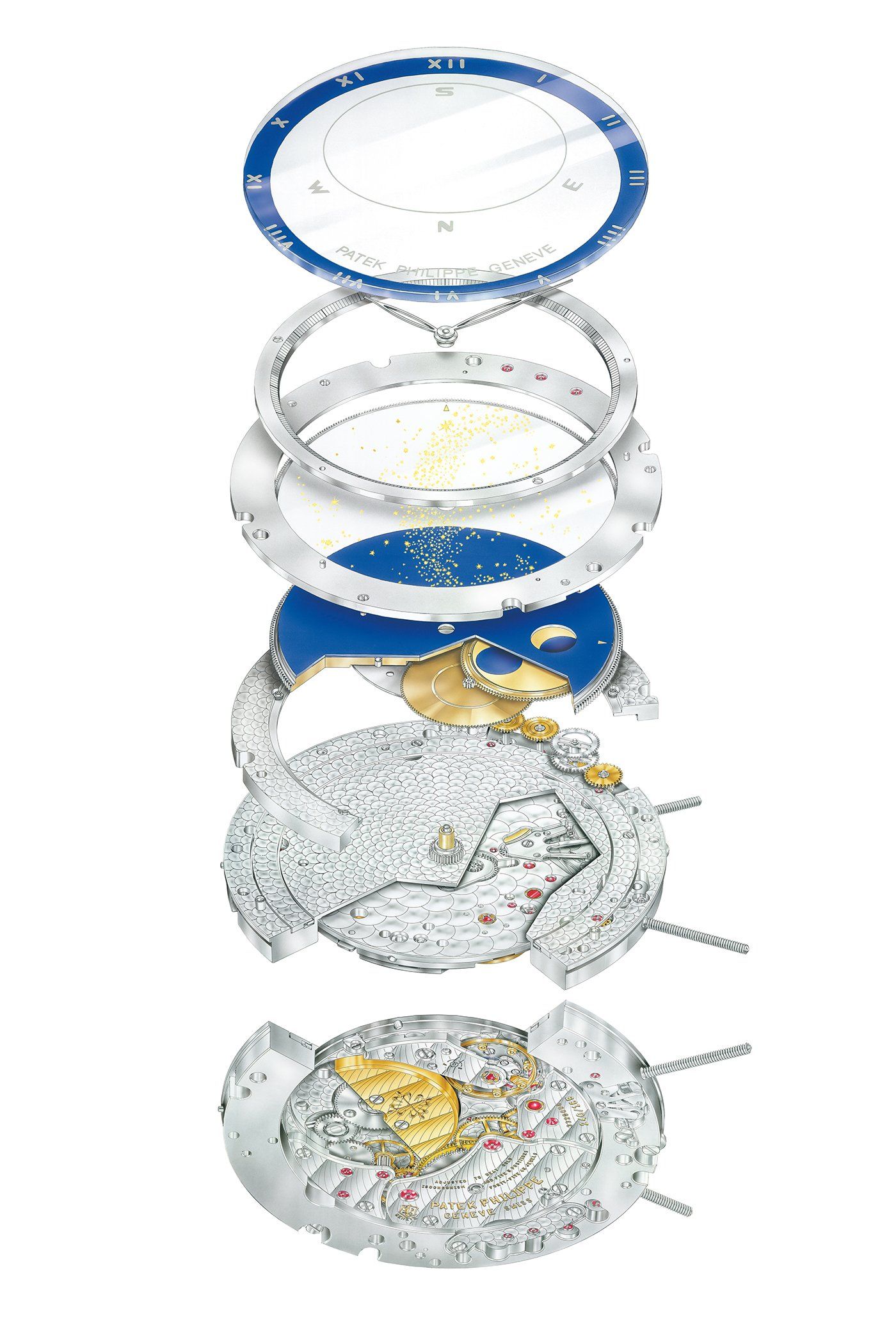
This wonderful cosmos on the wrist is made possible via complication of the caliber 240 CL LU and its 301 components. It lets you view the universe in miniature on your wrist - an expression of the humble human perspective on an infinitely large entity. Not only this, it also serves a view of an astronomical instrument created out of both practical necessity and a profound romanticism with the glowing bits of light in the night sky. It’s pure complication that makes the Sky Moon Celestial a serious watch - one which owing to its cost and, again, complexity, will only be owned by a lucky few. Such a watch serves innumerable rewards which very few can even match.
The Human Impulse Behind Complications
Complications stem from primal requisites - knowing time when the watch isn’t visible, tracking planetary movements, measuring elapsed time or knowing the difference between all those weirdly measured months of the Gregorian calendar and leap years. Via complications, watchmakers express mechanical ingenuity which naturally translates into functional superlativeness.
Today, with smartphones everywhere, why cherish mechanical complications? Well, because certain objectives become too easy and even nullified when accomplished with microprocessors and integrated circuits. Watchmaking complications are a rare discipline where the only means to preserve a sense of wonder is to do it with wheels, levers and springs. They evoke genuine wonder, sometimes status, and permanence amid a digital ephemera. It’s mechanical poetry. But to understand why they exist, we must step back from the mechanisms themselves and examine the human needs that created them.
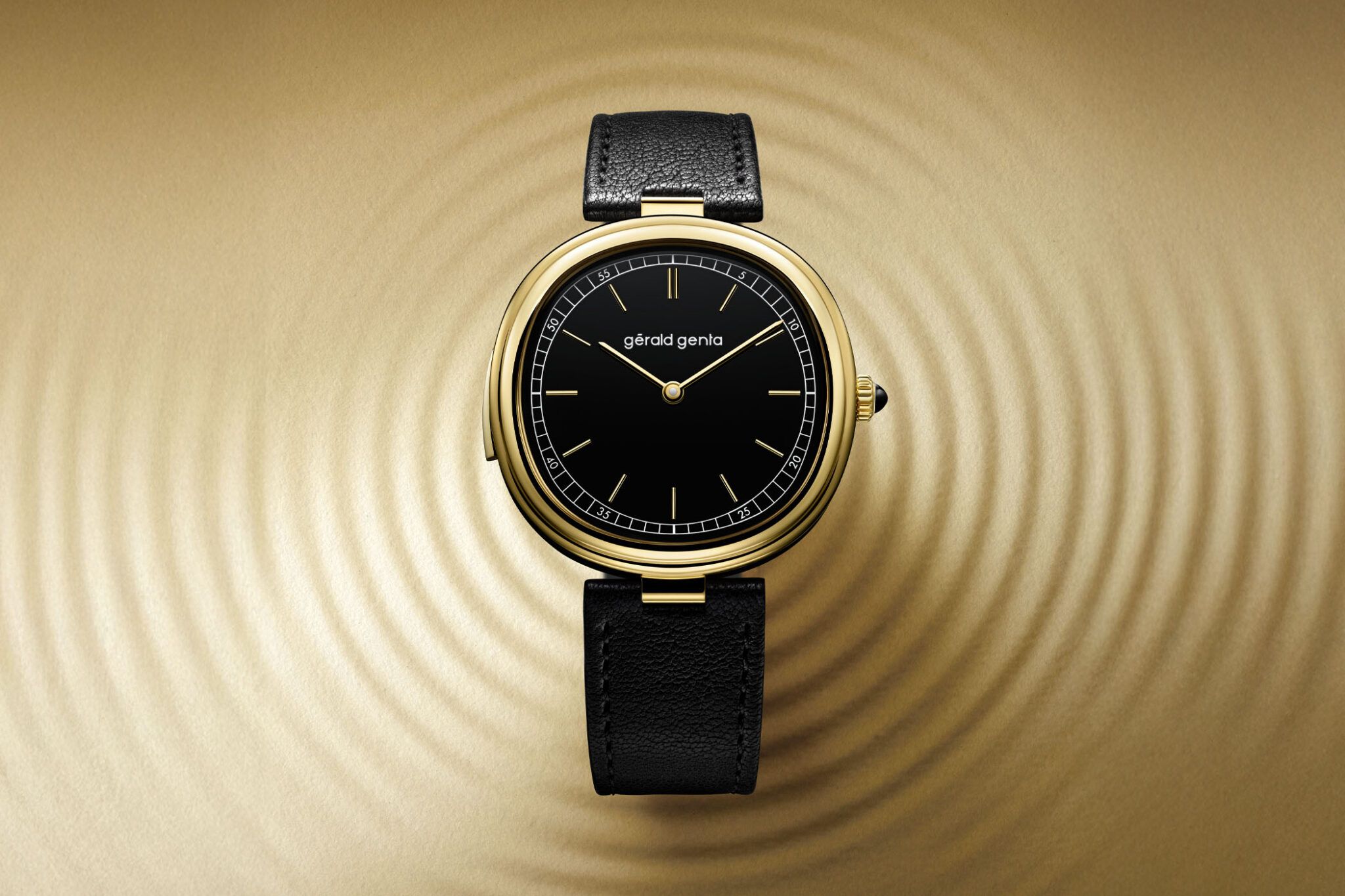
Complications were never invented as mere ornaments. They were conceived as practical solutions to legitimate problems. So, complications are the apps on a wristwatch. They were tools designed to solve real problems in the everyday lives of sailors, astronomers, scientists, travelers, and even kings. And yet, over time, something remarkable happened. Many complications that were once purely functional gradually evolved into objects of mechanical artistry and, eventually, into symbols of prestige. To appreciate this transformation, we must examine one the most iconic complications in watchmaking history - and understand why it was created in the first place.
A Romantic Auditory Complication
Agreed, the dramatic whirl of a tourbillon is one of the most impressive displays of haute horlogerie. It’s always touted as the complication (although the said attribute for a tourbillon is highly debatable today) that beats all complications. At least as an ocular perceptible. But what about the visceral wonder of high watchmaking? How impressive can a chiming watch be?
Very common in the realization of minute repeater timepieces, the notion of complication is almost veiled from the principal view. It always exists as some sort of a secret behind the dial. A minute repeater is a true practical complication of a human form. If watchmaking icons herald a myth identity, then it is the point of a minute repeater that gives it an added symbolism. This mechanism, very delicate, and assembled delicately as well, chimes the hours, quarters and minutes on demand, very obviously to tell the time when it’s dark. It’s not only difficult, but frustrating to construct as well. Imagine the Toyota 2JZ engine, but penny sized!
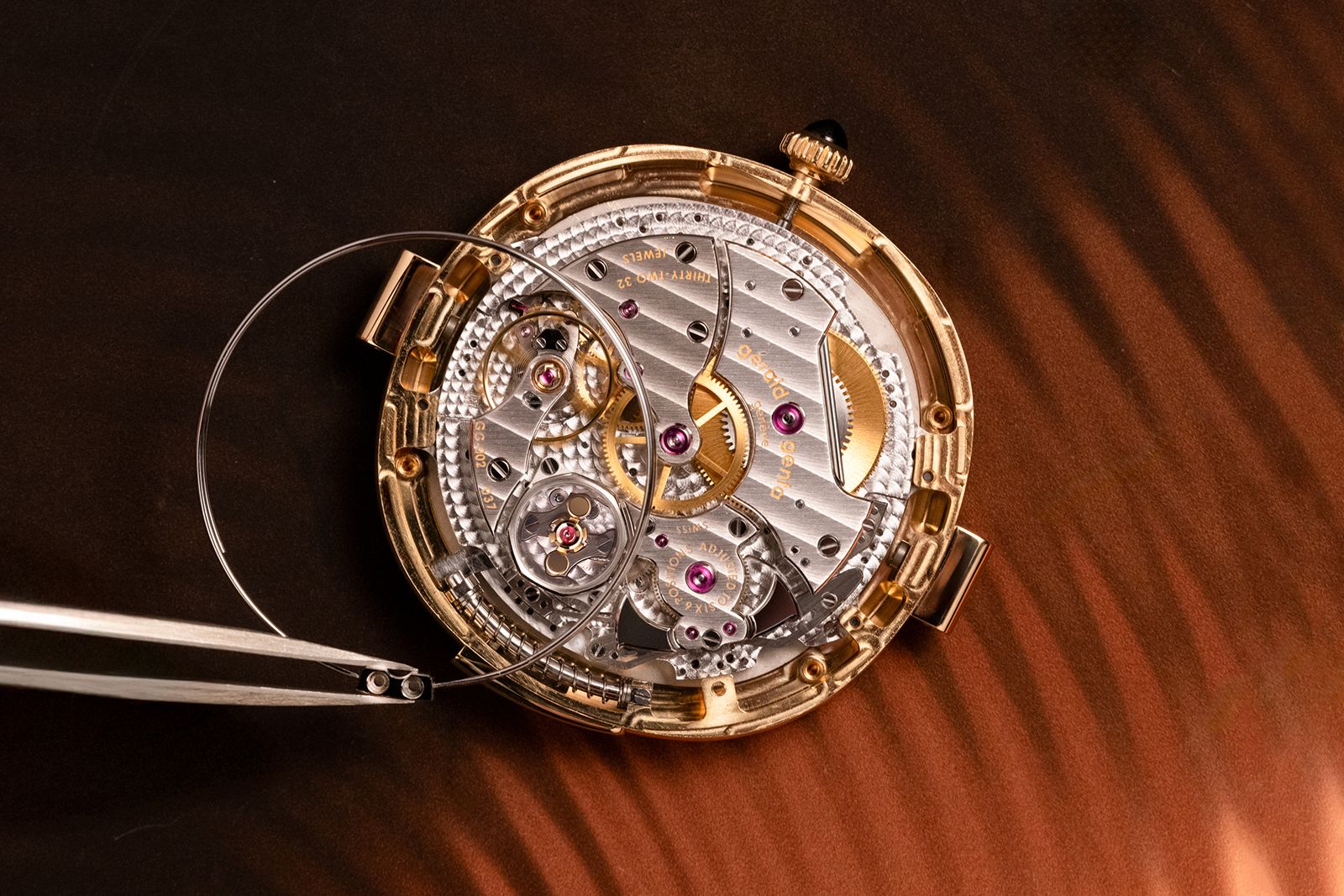
This mechanism, of over 100 components, operates with fractional tolerances and in doing so, celebrates the peak of human ingenuity. You see, mankind has many remarkable feats to its merit. But just like nature, it is the details when condensed in an inward way that exhibit a tamed chaos of a very superlative type. A minute repeater mechanism is an inward micro-universe of kinds and its ability to serve the realization of what’s an ocularly perceptible spatial dimension as a delectable auditory tune makes it a true philosophical superlative. It proves the nature of inventiveness of our kind and the limits of our efforts to craft meaningful watchmaking innovation.
What Makes A Minute Repeater Complicated?
How does such a demure little contraption - mere grams of steel and sapphire no larger than a penny - become the watchmaker’s most exquisite creation as well as a curse? This invention, alive with levers, springs, ratchets, and gears, all crammed into the span of a penny and machined to microscopic tolerances aligns in flawless harmony to yield an endlessly satisfying tune.
To grasp why this begets such professional agony, ponder the minute repeater’s quiet genius. In our digital age, where every query and reply is code-derived, this analog marvel feels like an absolute relic. It comes from a time when there was no concept of a calculator or a computer. In fact, there was no concept of electricity even. In many ways, its engineering and complexity totally eclipses even the chronograph.
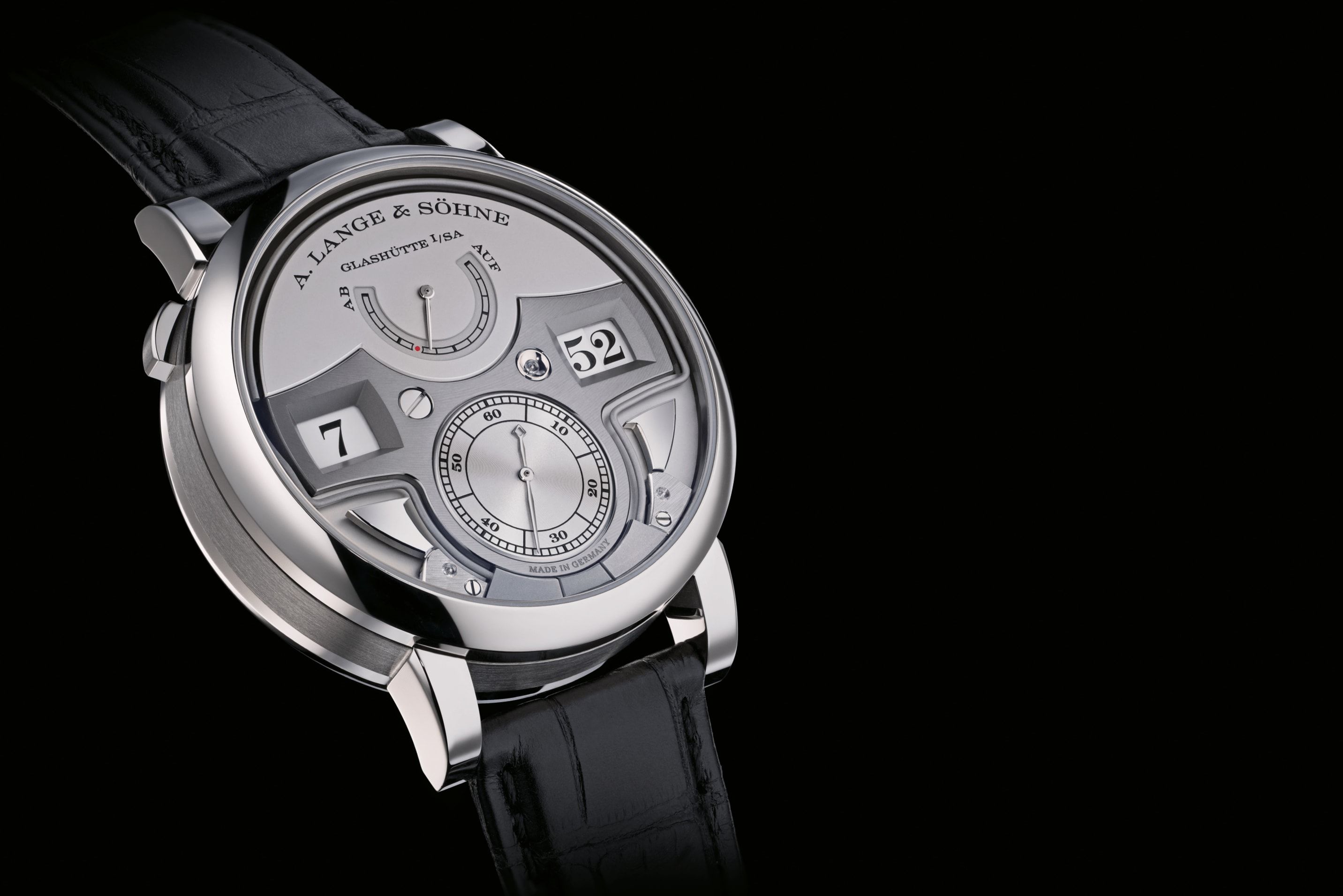
A chronograph delivers an on-demand stopwatch feature. Connected to the primary train of wheels, it is activated via a clutch upon request. Every time, it performs the same function, over and over. Imagine an idling engine engaging the wheels for motion, on or off at the driver’s command. Start, stop, reset: predictable and repetitive. Unlike a chronograph, a minute repeater generates a different response for every single user activation. This is decision-making prowess on steroids. Slide the activator, the mechanism thinks. It samples the hour, tallies the minutes, then recites them in chimes - a mechanical mind, ever adaptive. No rote or repetitive response here, each activation yields a bespoke series of strikes yielding a pure melody. But still, how’s it possible for a measly tiny timekeeper to chime the hours, quarters, and minutes with flawless perfection when it practically took me at least the first five years of my life to read and tell the time? To know the above, let’s understand the mechanism.
Mechanics Of The Minute Repeater
The time sampling mechanism of a minute repeater is its core technical prestige. Stepped snail cams, turning with the hour and minute hands, translate analog time display into an auditory verse. Upon a repeater’s activation, levers - which are racks in this case pivot against the respective cams for hours, quarters, and minutes. The graduated steps in these cams allow the tips of the racks to settle at precise depths, with each step corresponding with a specific time.

As the rack retreats, its toothed opposite flank triggers the gongs, hence striking chimes. The deeper the rack falls into the cam, the more teeth pass by - and thus the more strikes are produced. This ritual is repeated thrice via the three cams, of which the hour cam has twelve steps for the twelve hours, the quarter cam has four steps for the four quarters, and the pinwheel-shaped minute cam has four quadrants of fifteen steps to count the minutes that have passed since the last quarter.
Beneath all of this over-the-top orchestra of mechanics exists a distinct machinery. Power? Your slide of the lever winds a dedicated mainspring. Yes, this contraption demands its own reservoir, separate from the timekeeping reserve. Timing? A governor, via its centrifugal extension of weighted arms, acts as a brake for the mechanism to prevent the unchecked spillage of chimes. Simultaneous to all this is the action that prevents the rack’s backward slip and the sequence halt mechanism to enable the lever’s full travel. This entire process unfurls perfectly in specific sequences every single time. The proverb, “Never judge a book by its cover,” rings truest in the sentiment of a minute repeater. What appears elementary on the front, almost austere, conceals an extraordinary mechanical intellect. Beautiful? Undeniably.
From Utility To Artistry
Today, we have Super-LumiNova and backlit iPhones. The utility of the repeater is definitely dead. This is a crucial inflection for any iconic complication. As digital technology evolves, the original need for an analog function often disappears. The growing reliance on electronic circuitry has been an omnipresent notion in almost all forms of innovation in the modern age. Most of the time, the convenience of the digital eclipses the analog’s purist charm. Or does it?
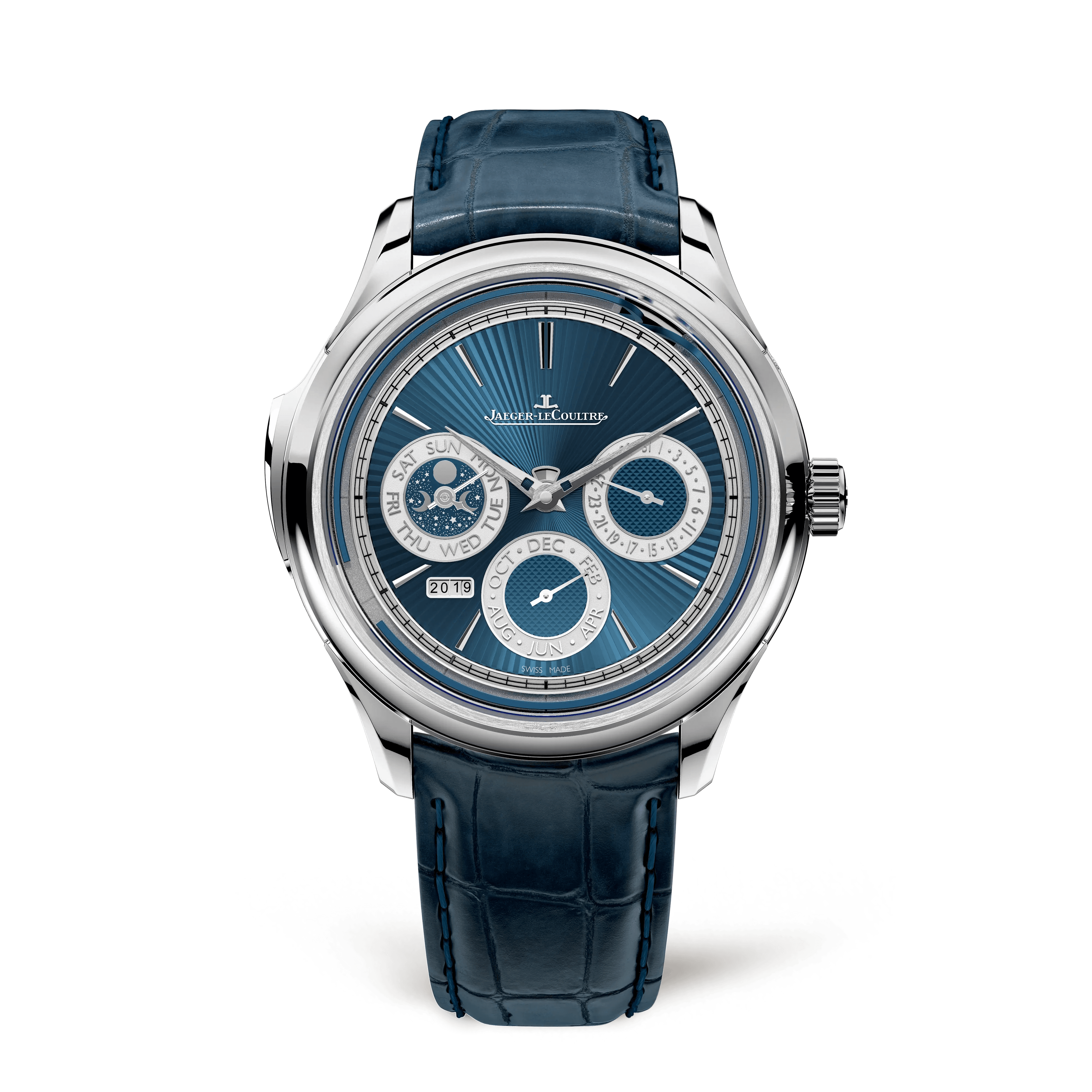
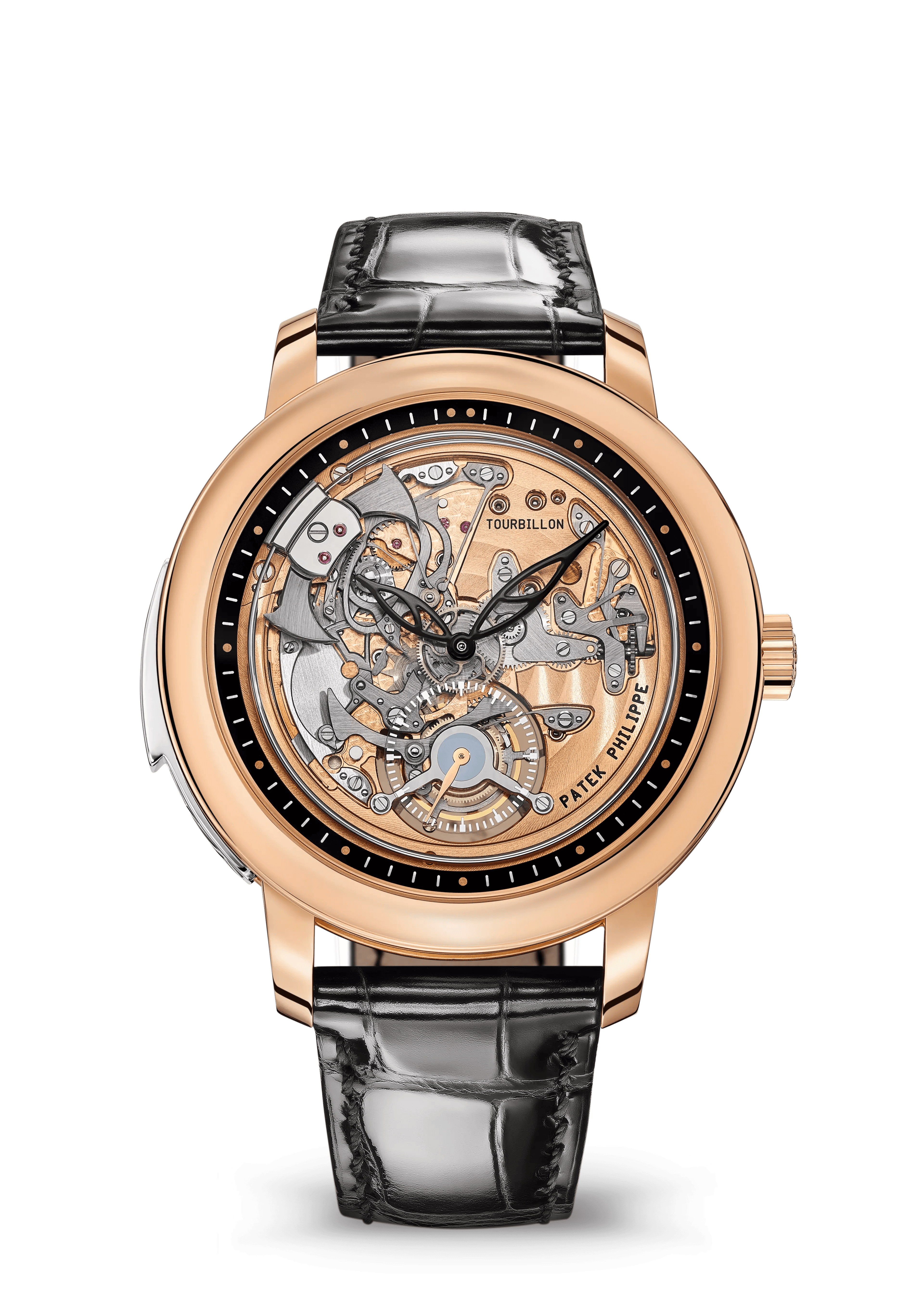
If it was so, there would be no Porsche 911 Carrera T, nor a cult-level romance for the steam locomotive. Yet, the said entities exist and continue to dazzle us with their analog awe. The same is true for iconic complications, like the minute repeater. Electricity undoubtedly rendered the minute repeater’s primary job obsolete. But it couldn’t dampen its romance. It’s what can be termed as the “Holy Grail” of complications. Why? Because it introduces the element of sound - the fourth dimension of horology.
That’s why the principal subject of innovation in Audemars Piguet’s RD#1: Royal Oak Concept Supersonnerie takes inspiration from past minute repeaters and prefers an acoustic pursuit realized via eight years of development. A minute repeater is the only complication that requires a “human” touch, via repeated adjustments, that a machine cannot replicate. A CNC machine can cut a gear to a tolerance of a micron, but it cannot “tune” a gong. A master watchmaker spends weeks filing the gongs, listening to the resonance, and adjusting the strike. Each repeater has a unique “voice.” It exists as one of the rare “sensory” complications that don’t rely on sight!
Modern Status Symbols
Finally, this artistry culminates in the third stage: the Status Symbol. To own a minute repeater today is to declare a certain understanding. It is to own a device of exquisite uselessness. It proclaims that the wearer appreciates. Iconic complications, such as minute repeaters, have become a language through which watchmakers communicate skill, heritage, and creativity. They represent centuries of accumulated knowledge. And perhaps more importantly, they reflect something fundamental about human nature. We are a species that builds machines not merely because we need them - but because we are fascinated by them.
Why Iconic Despite Obsolescence?
In a world of planned obsolescence and the chaos of disposable technology, the analog mechanical complication is a rebellious act. It is a statement that complexity in itself holds intrinsic worth. It takes hundreds of hours to perfect the anglage on a bridge that’ll never be seen, to mirror polish a hammer, and to fine tune a gong. It’s in no way efficiency. But it’s something far more important and transcending - it’s love.

Watchmaking, most of the time, isn’t about the passage of seconds. It is about the human need to leave a mark. Why do these complications remain iconic? Why spend north of half a million on something as obsolete as a carrier pigeon? The answer lies in the “Third Pillar” of iconicity. In an era of digital transience, where every piece of technology we own is designed for planned obsolescence, the mechanical complication is an extreme analog rebellion relying on the physical interaction of tiny parts of metal. It doesn’t rely on any code - it’s driven by the tangible. Iconic complications represent something rare in the modern world: visible ingenuity.
Here, you don’t only see the engineering, you can hear it, and you can feel it. And perhaps that is the enduring appeal of complications and why we need them. They remind us that traditional watchmaking has and will always be an art form. An art form that transformed human needs into extraordinary machines. Machines small enough to wear on the wrist.


