
Jaeger-LeCoultre Reverso Or Deco: The Iconic Watch Finally Outgrows Its Origin Story
 4 min read

Nearly a century after its debut, the Jaeger-LeCoultre Reverso has finally outgrown its origin story. The new Reverso Tribute Monoface ‘Or Deco’ collection isn't merely another expression of the iconic rectangular watch; it is a compelling reminder that great design eventually transcends the purpose for which it was created. Every enduring design icon reaches a moment when its original function becomes almost incidental.
Few people buy an Eames Lounge Chair because they simply need somewhere to sit. The Barcelona Chair is no longer judged by its comfort alone, nor is a Leica camera purchased solely for its ability to capture photographs. These objects have long since crossed the invisible line between utility and cultural significance. They are admired as much for what they represent as for what they do. The Jaeger-LeCoultre Reverso has quietly arrived at that same destination.
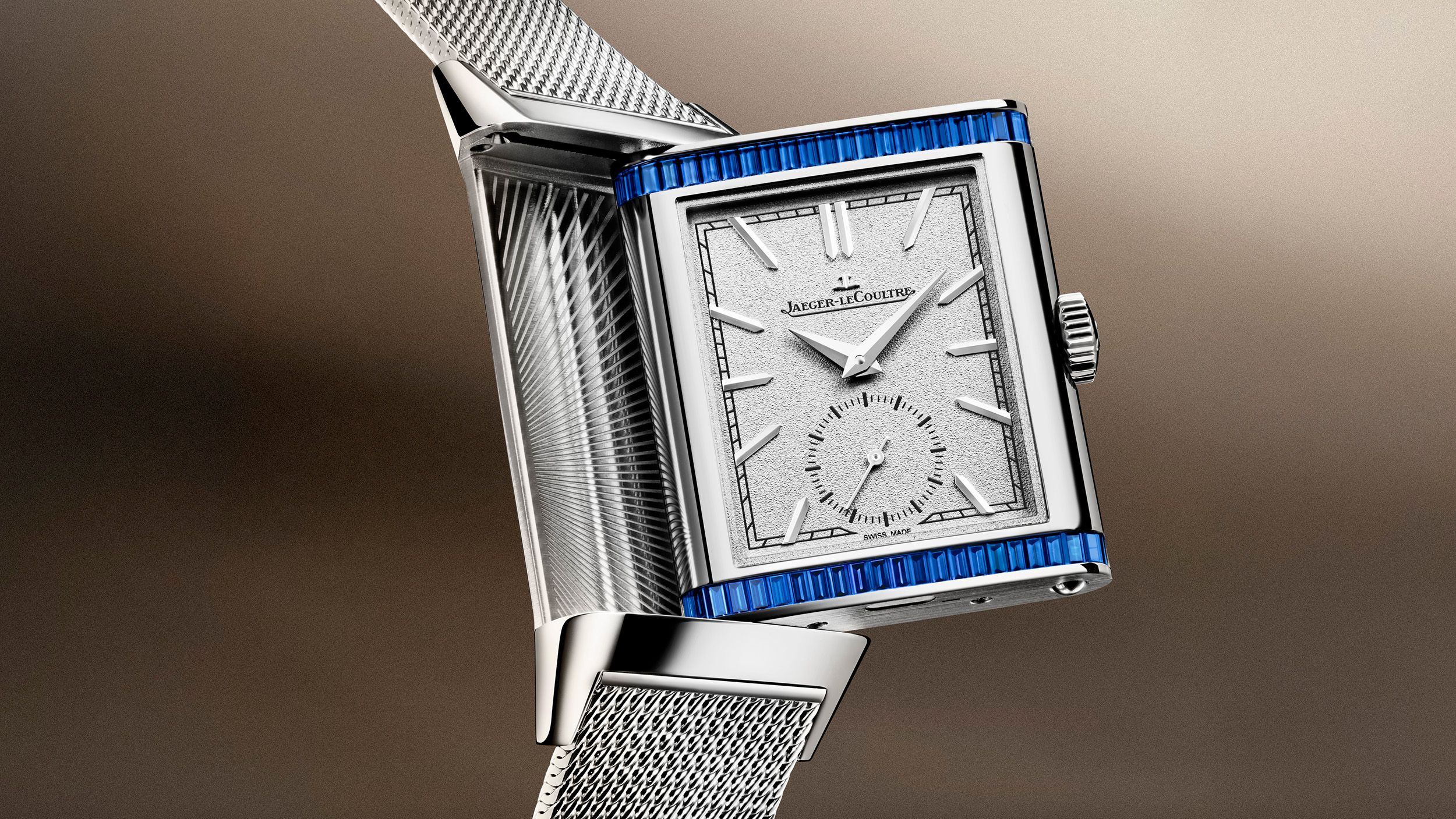
For decades, the Maison's most recognisable creation has been introduced with the same story: born in 1931 to withstand the rigours of polo, its ingenious reversible case protected the dial from errant mallet strikes. It's one of watchmaking's great origin myths, but after nearly a century, it also risks becoming limiting. To define the Reverso solely by its sporting provenance is to overlook what has truly cemented its place in horological history: its architecture.
Long before collectors debated case diameters or integrated bracelets, the Reverso distinguished itself through proportion. Its clean rectangular silhouette, fluted gadroons and disciplined symmetry embodied the language of Art Deco with remarkable confidence. While countless watches have chased trends over the decades, the Reverso has remained resolutely itself, a rarity in an industry that often mistakes novelty for progress.
The new Reverso Tribute Monoface ‘Or Deco’ collection doesn't seek to reinvent that formula. Instead, it amplifies the qualities that have always made the Reverso exceptional. At first glance, the collection appears to embrace ornamentation. Pink gold cases, Milanese mesh bracelets, diamonds and rubies introduce a richness rarely associated with the Reverso's sporting origins. Yet none of these elements feels superfluous. They don't compete with the watch's architecture; they reinforce it.

The Milanese bracelet is perhaps the collection's quiet triumph. Rather than functioning as an accessory, it becomes an extension of the case itself, flowing seamlessly from the lugs like woven fabric cast in gold. It softens the geometry without diluting it, creating a silhouette that feels remarkably contemporary despite drawing heavily from decorative arts nearly a century old.
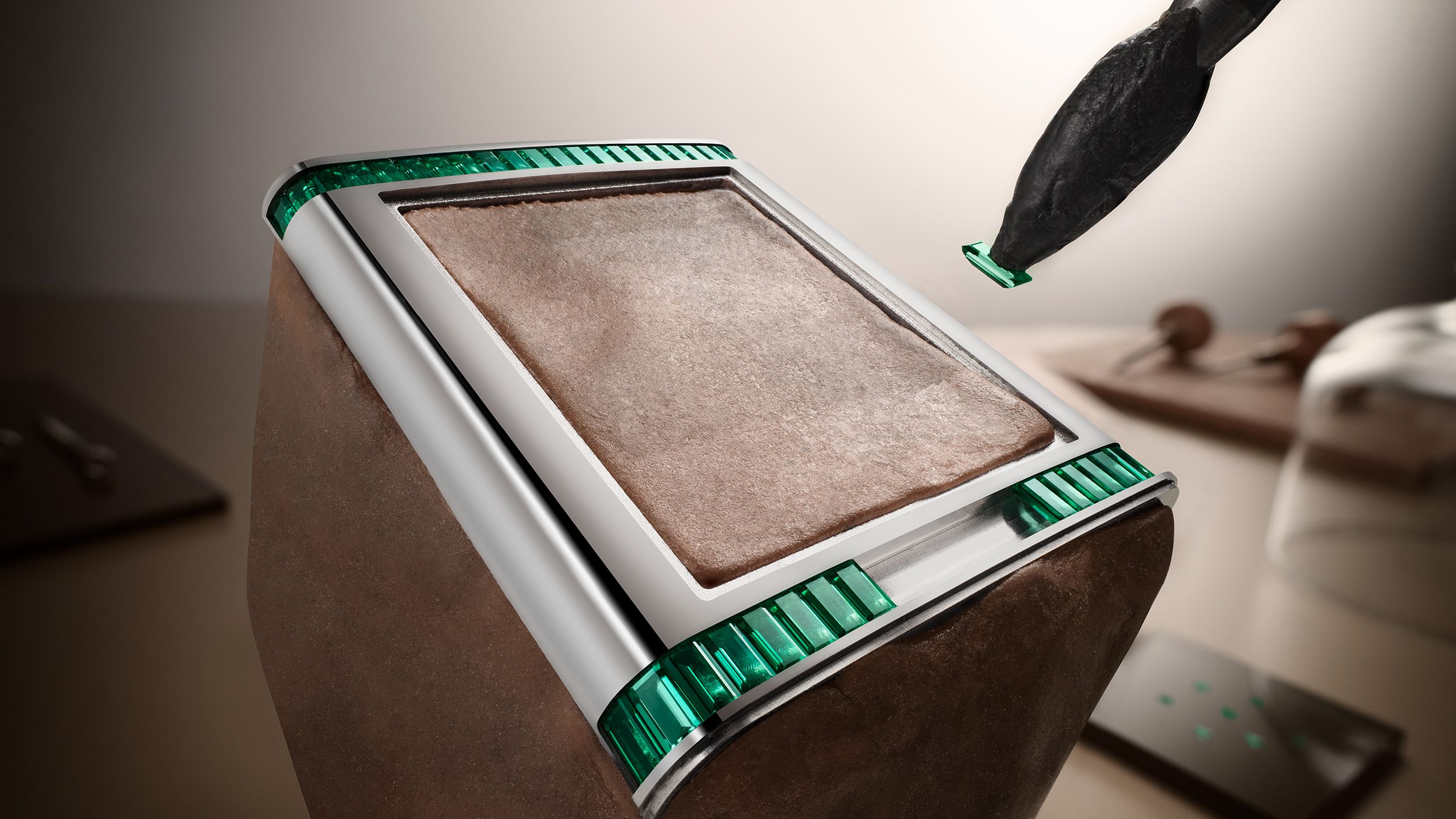
The same philosophy governs the gem-setting. The diamonds and rubies are not employed as embellishment for embellishment's sake. Instead, they accentuate the watch's linear composition, echoing the geometric precision that defines both the Reverso and the Art Deco movement from which it draws its aesthetic vocabulary.
Perhaps the most telling aspect of the collection, however, lies not in its materials but in its positioning. There was a time when a gold bracelet watch adorned with gemstones would have been instinctively confined to a women's collection. The industry's categories were rigid, often reducing remarkable design to marketing demographics.
Jaeger-LeCoultre quietly sidesteps that convention. In describing the smaller Solo Tempo model as "a perfect fit for wrists of all sizes, male and female alike," the Maison reframes the conversation. These are not watches defined by gender but by proportion, craftsmanship and aesthetic conviction. That subtle shift feels surprisingly significant.
It acknowledges what many collectors have already understood: truly exceptional design rarely belongs to one audience. Like architecture, furniture or fine art, it invites appreciation on its own terms. The measure of a great watch is no longer whether it conforms to traditional expectations, but whether it possesses a design language compelling enough to endure beyond them.
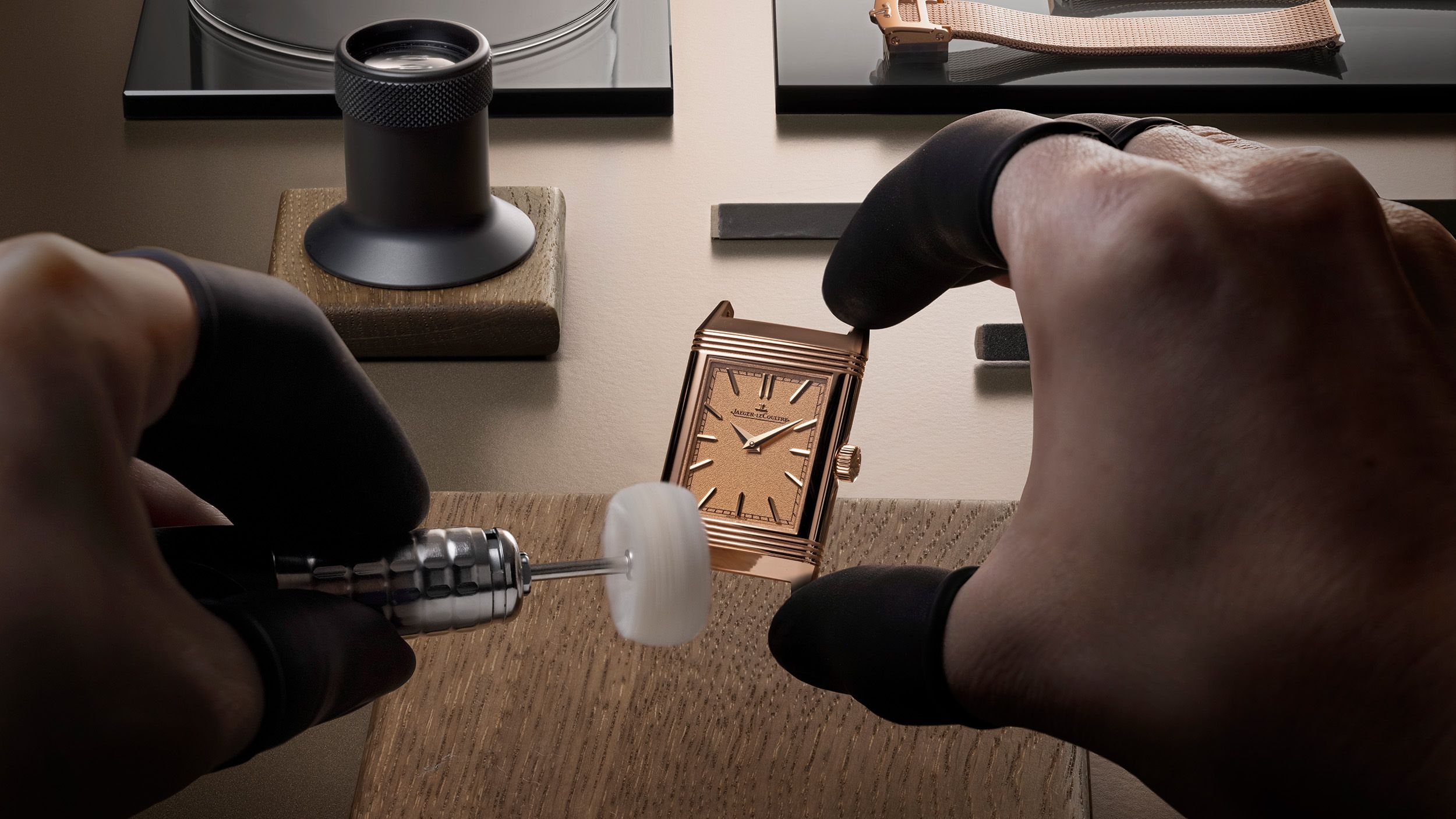
And that is precisely what the Reverso has achieved. The Jaeger-LeCoultre Reverso ‘Or Deco’ collection isn't memorable because it introduces a new complication or pushes the boundaries of mechanical innovation. Its significance lies elsewhere. It represents the continued evolution of one of watchmaking's most enduring icons, from a brilliantly engineered sports watch into an object of decorative art whose appeal is rooted in permanence rather than purpose.
Nearly a century after its creation, the Reverso no longer needs the polo field to justify its existence. Its design speaks eloquently enough on its own. Know more about the watches here.


