Japanese Independent Watchmakers Rising Stars: Kikuno, Otsuka Lotec & Beyond (Part 2)
 1 min read

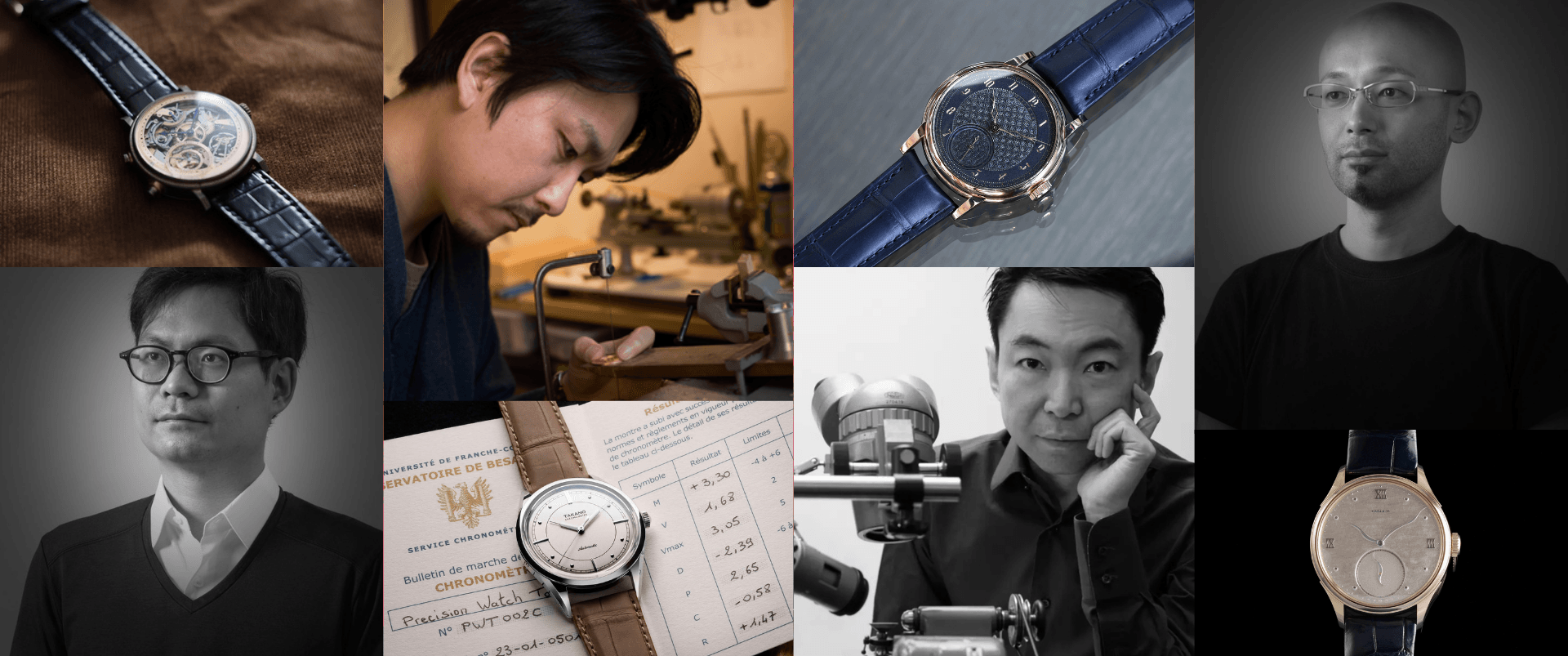
In Part 1, we explored how Hajime Asaoka helped define the foundations of modern Japanese independent watchmaking. His influence created a new language of horology in Japan, one rooted in craftsmanship, intellectual design, and small-scale production. In this second part, the focus shifts to the next generation of independent watchmakers who are pushing that philosophy further. These creators are not part of large industrial groups or traditional Swiss maisons. Instead, they operate in small ateliers, often working closely with a limited number of clients, and prioritising design freedom over commercial scale
Masahiro Kikuno: Reinterpreting Time Through Japanese Tradition
Masahiro Kikuno represents one of the most conceptually driven voices in Japanese independent watchmaking today. A graduate of Hiko-Mizuno Watchmaking School in Tokyo and a member of the AHCI (Académie Horlogère des Créateurs Indépendants), Kikuno’s work is known for its exploration of historical Japanese timekeeping systems and their translation into mechanical form. One of his most recognized ideas draws from the traditional Japanese temporal hour system used during the Edo period (1603–1868). In this system, daylight and nighttime were each divided into six segments, meaning that the length of an “hour” changed depending on season and daylight conditions. Time was not fixed, but naturally variable. Kikuno’s watches reinterpret this concept for the modern wristwatch. Rather than simply displaying standard time, his designs integrate the philosophy of variable timekeeping, connecting historical Japanese culture with contemporary mechanical engineering.
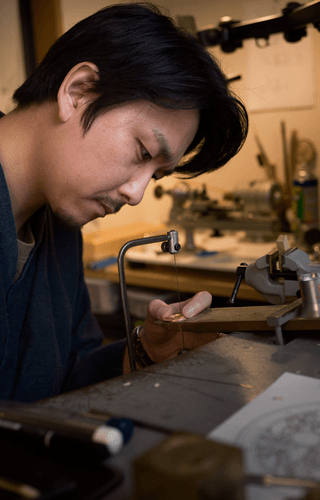
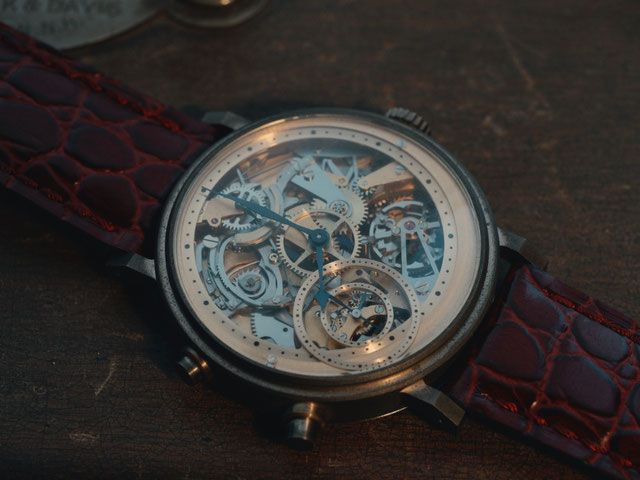
Indicative positioning: Kikuno’s work sits in the high-end independent segment and is generally associated with bespoke, commission-based pricing in the tens of thousands of USD equivalent, depending on complexity and execution.
Jiro Katayama and Otsuka Lotec: Industrial Design as Horology
Jiro Katayama founded Otsuka Lotec as a design-led independent watchmaking project based in Tokyo. Unlike traditional watchmakers trained in classical horology, Katayama comes from an industrial and product design background. This perspective heavily influences the brand’s identity, which prioritizes mechanical expression and visual originality over conventional watch aesthetics. Otsuka Lotec watches are inspired by industrial instruments, mechanical gauges, automotive dashboards, and precision measurement tools. The result is a design language that feels closer to engineering instruments than traditional dress watches. The brand operates through limited production and structured allocation systems within Japan, with availability often tied to specific releases and domestic distribution channels.
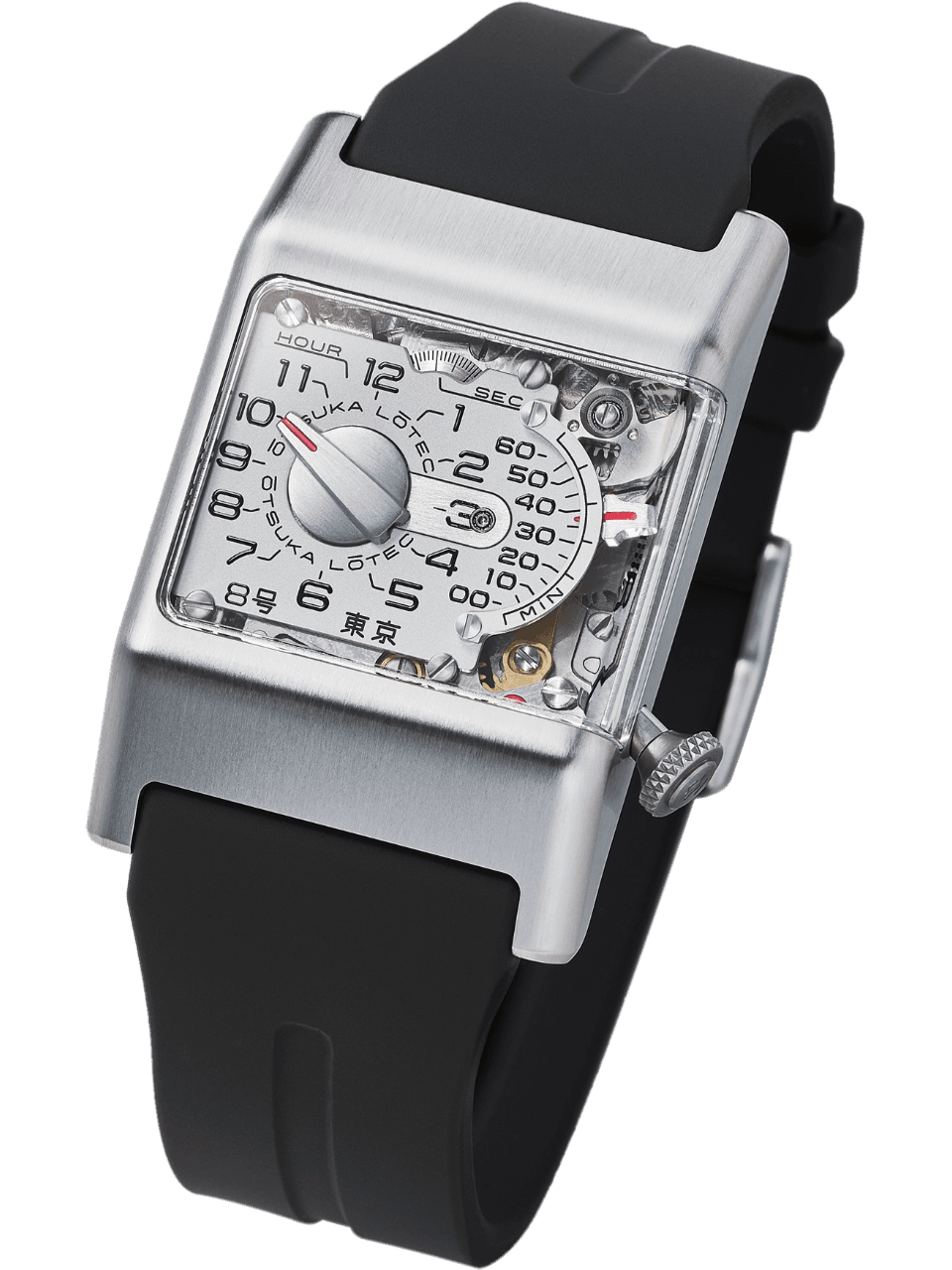
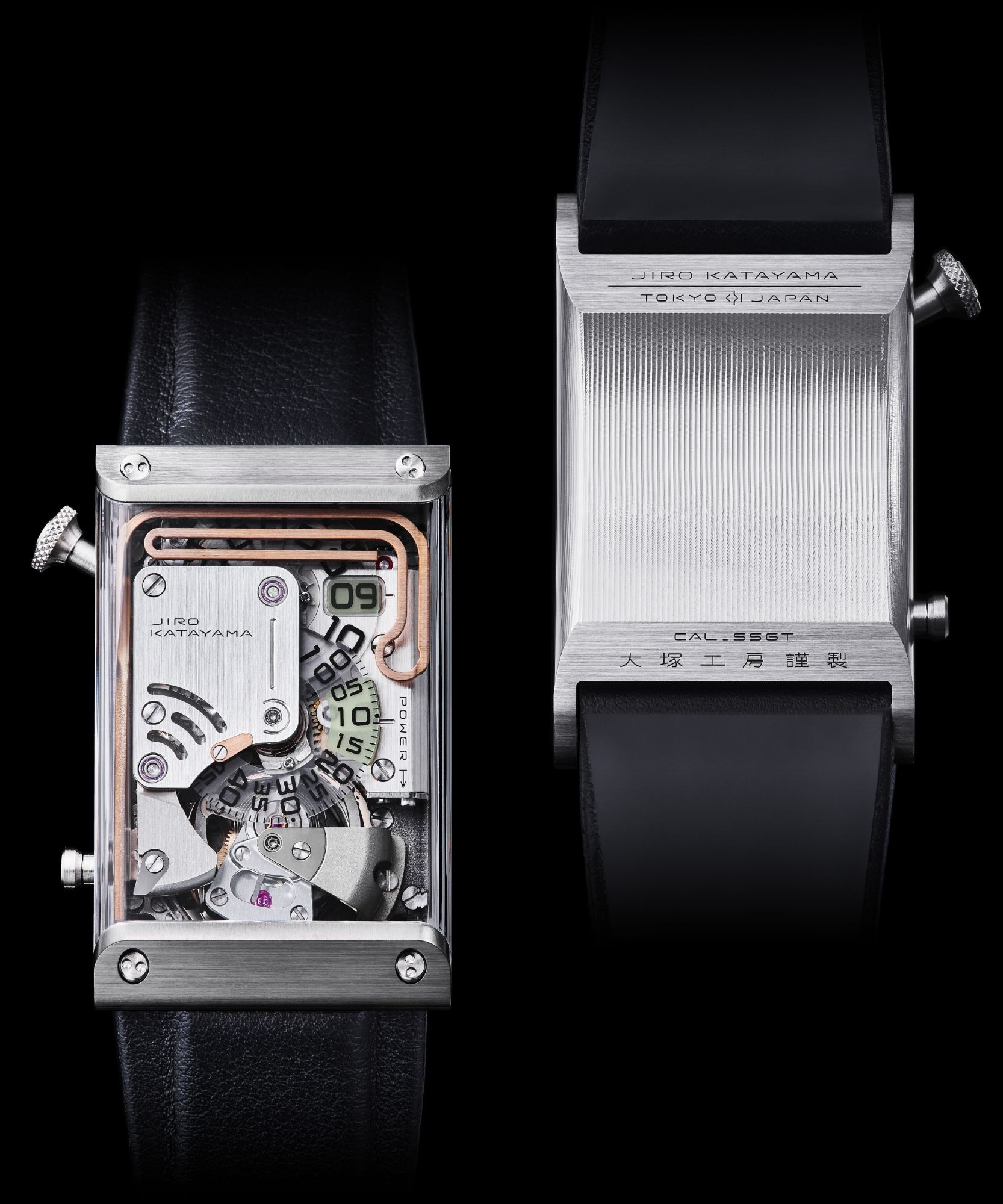
Indicative positioning: Otsuka Lotec models generally fall within an approximate mid- to high-range independent pricing tier, often estimated between $3,000 and $12,000 USD equivalent depending on model and release conditions.
Naoya Hida & Co: Precision, Restraint, and Hand-Finished Detail
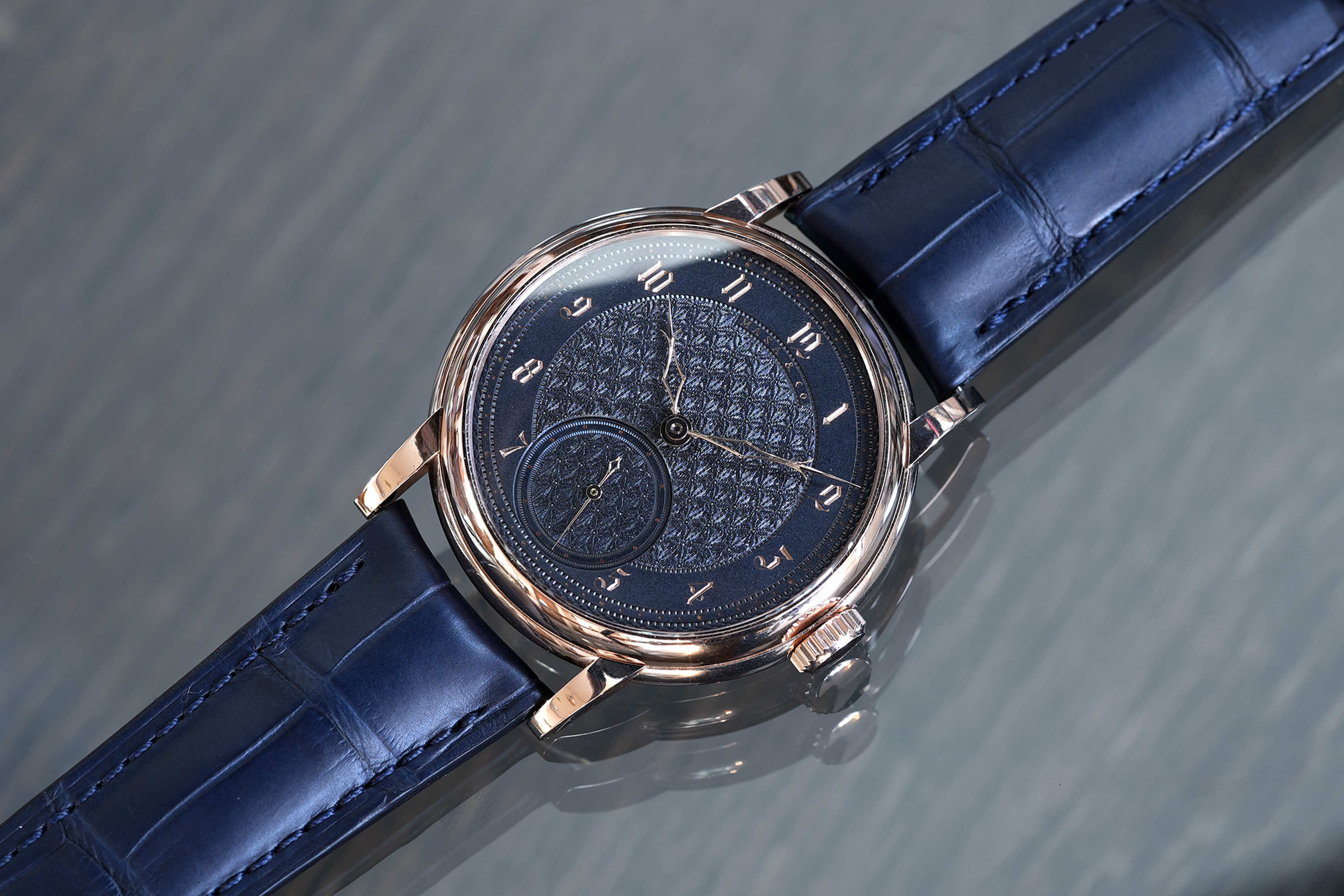
Naoya Hida & Co represents a more classical and restrained interpretation of Japanese independent watchmaking. The brand is known for its focus on refinement, proportion, and finishing. One of its most distinctive elements is the use of hand-engraved numerals and dial details executed by artisan Keisuke Kano, making each dial subtly unique. Design inspiration is drawn from mid-20th-century Swiss dress watches, but reinterpreted through a distinctly Japanese lens that emphasizes balance, subtlety, and craftsmanship rather than ornamentation or complexity. Naoya Hida & Co operates through controlled allocation systems that reflect its small-scale production model and high level of artisanal involvement.
Indicative positioning: The brand generally sits in the high-end independent segment, with approximate pricing ranging from $20,000 to $60,000 USD equivalent depending on model and finishing.
Kikuchi Nakagawa: Craftsmanship-Driven Independent Watchmaking
Kikuchi Nakagawa was founded in 2018 by watchmakers Yusuke Kikuchi and Tomonari Nakagawa. The brand blends Japanese craft traditions with contemporary mechanical watchmaking. Its design language reflects influences from traditional metalworking techniques, particularly in case finishing and surface treatment, combined with Swiss-style mechanical architecture. Kikuchi Nakagawa operates on a highly limited production model, with each piece reflecting a strong emphasis on artisanal execution.


Indicative positioning: The brand is generally associated with the $15,000–$30,000+ USD equivalent segment, depending on model and complexity.
Masa & Co: From Restoration Expertise to Original Watchmaking
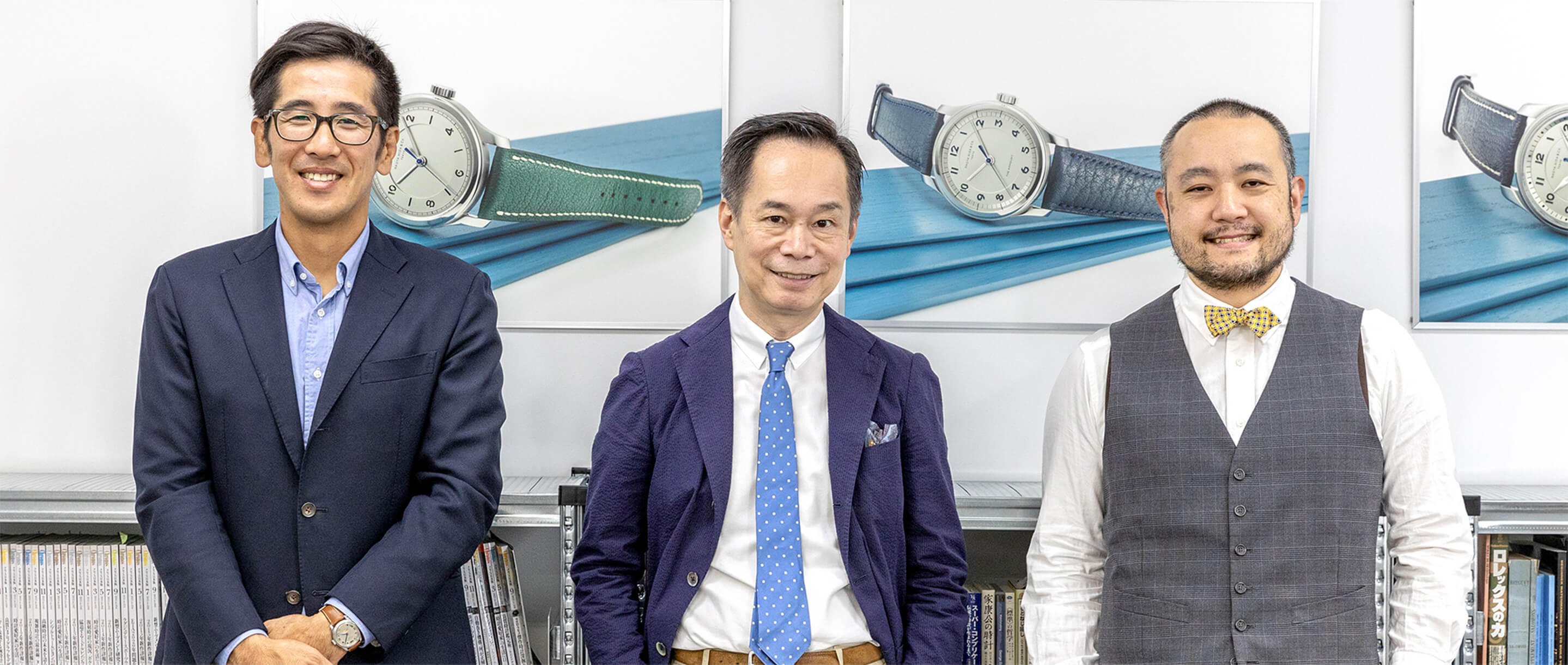
Masa & Co originated from Masa’s Pastime, a Japanese watch restoration workshop established in 1990. In 2024, the brand introduced its first original watch collection, marking its transition from restoration-focused expertise to independent watchmaking. The MP Series reflects this background, combining traditional Japanese design sensibilities with modern mechanical construction. The brand’s identity is shaped by decades of hands-on experience in servicing and restoring mechanical watches.
Indicative positioning: Masa & Co sits in the mid-luxury independent segment, with estimated pricing around $8,000–$15,000 USD equivalent depending on model.
Takano: A Revival of Japanese Watchmaking Heritage
Takano is a revived Japanese watch brand originally founded in the early 20th century and reintroduced under Precision Watch Tokyo in 2024. The modern revival focuses on preserving and reinterpreting historical Japanese watchmaking identity through contemporary manufacturing standards. The designs emphasize classical proportions and mechanical simplicity, reflecting the aesthetic values of the original brand.
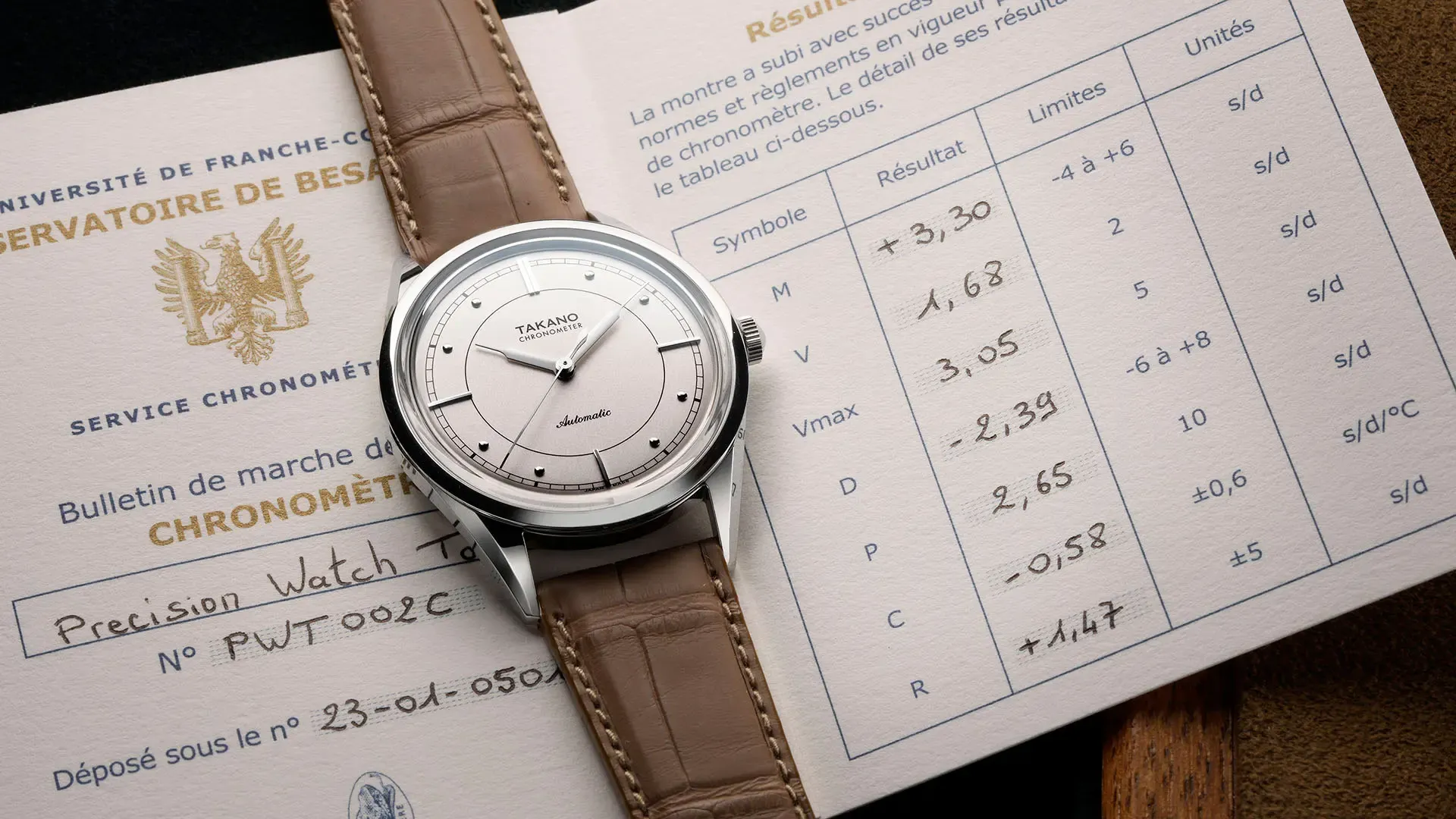
Indicative positioning: Takano models are generally positioned in the $5,000–$7,000 USD equivalent range.
The Broader Landscape of Japanese Microbrands
Alongside high-end independent watchmakers, Japan also has a growing ecosystem of accessible microbrands that focus on design experimentation and everyday wearability. Brands such as Vague Watch Co., Knot, Kuon, and Future Funk represent a different layer of the market, offering design-driven watches at more accessible price points. These brands contribute to the broader Japanese watch culture by making creative design accessible beyond the independent haute horlogerie segment.
A Multi-Layered Independent Movement
Japanese independent watchmaking today is not a single unified movement, but a collection of highly individual creative practices. From Kikuno’s philosophical reinterpretation of time, to Katayama’s industrial design language, to Naoya Hida’s restrained craftsmanship, each maker represents a distinct approach to mechanical watchmaking. What connects them is not scale or commercial ambition, but a shared commitment to independence, design integrity, and hands-on creation. Together, they form one of the most interesting developments in contemporary horology where the watch is not just a product, but a personal expression of how its creator understands time itself.
To read part 1 of the Japanese Independents series, click here.


