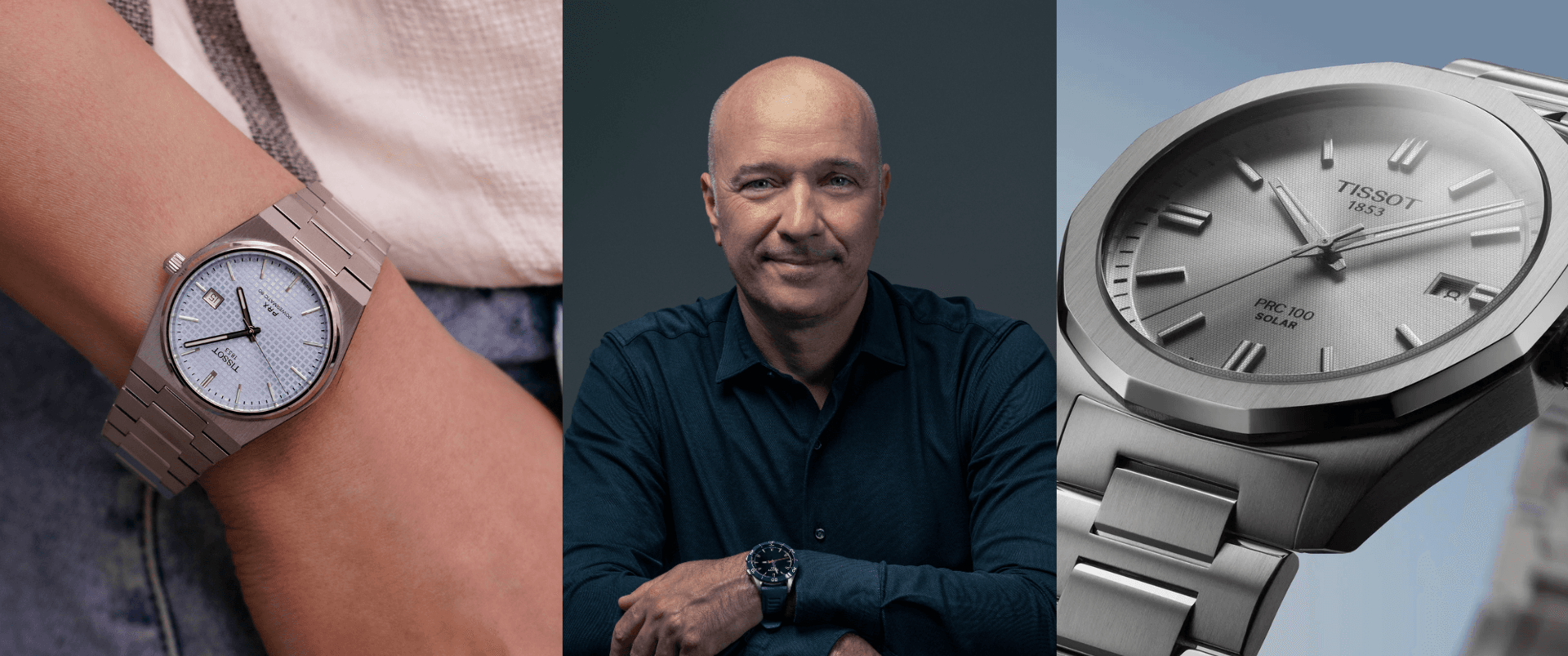
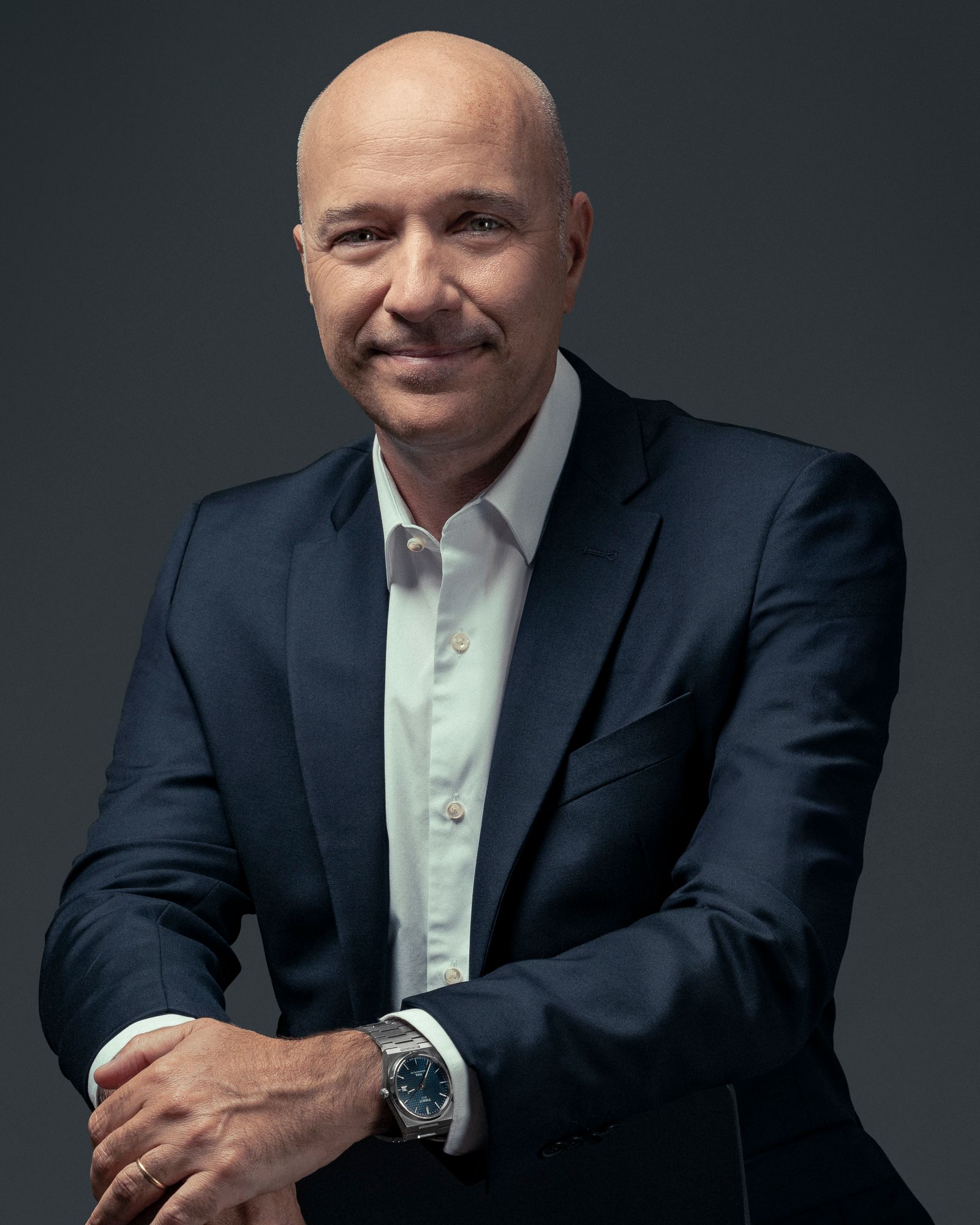
CEO Of The Month | Chapter 14: Sylvain Dolla: Calibrating Tissot For The Modern Era
 5 min read

During his first week as CEO of Tissot in 2020, Sylvain Dolla spent hours upstairs in Le Locle opening drawer after drawer among the brand’s 7,000 historical timepieces. When he pulled out a forgotten 1978 integrated-bracelet quartz model, he didn't just see a museum piece, he saw a fast-moving, modern blockbuster. That moment captured Dolla’s core leadership philosophy: treating Tissot’s 170-year archive not as a passive history book, but as an active springboard for immediate, contemporary hits. To learn more about Tissot's growth in the Indian market, click here.
The Core Friction
When Dolla arrived at Tissot’s headquarters in Le Locle in the middle of a global pandemic no less, the brand wasn’t broken, but it was noisy. Tissot is an industrial titan, holding the title of the leading Swiss watch brand by volume and offering everything from pocket watches to connected digital screens. However, this massive footprint had resulted in a bloated catalogue, with the brand historically releasing over 150 new references annually.
Rather than one single hurdle, Dolla had to address three distinct operational frictions simultaneously. The brand was historically releasing over 150 new references annually, which spread the design and product teams too thin and diluted the brand's focus. There was further a critical need to capture the under-30 demographic, without alienating its traditional and established collector base. And finally, the brand needed to elevate the fine detailing and overall perceived value of its timepieces, but it had to execute this upgrade while strictly adhering to its accessible core price range of CHF 300 to CHF 1,000.

The Toolbox
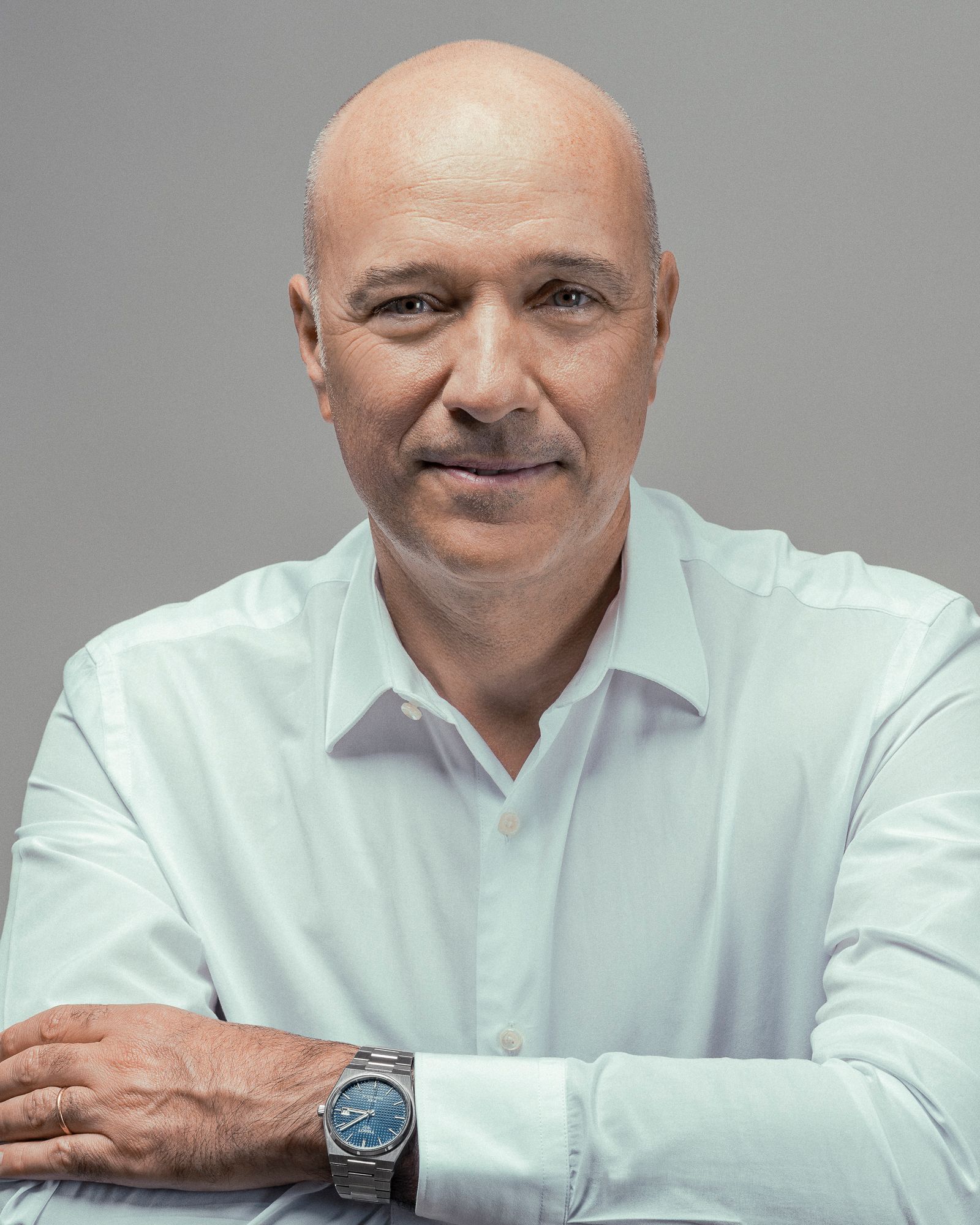
Before he entered the world of horology, Dolla built his operational credibility in a completely different sector. He began his career in the fast-paced telecom and consumer electronics industry, working for Alcatel before joining the Swatch Group in 2004. His first major horological project was helping to launch the Swatch Paparazzi which was the world's first connected watch made in partnership with Microsoft. After a highly successful 15-year tenure turning Hamilton into a powerhouse, Dolla brought a rare dual-threat toolbox to Tissot: a deep respect for Swiss mechanical watchmaking paired with the agile, tech-forward, and data-driven mindset of the consumer electronics sector.
Signature Strategic Shifts
Dolla’s strategy at Tissot has been a masterclass in disciplined editing. Rather than adding to the noise, he immediately reduced the brand's output to a strict maximum of 99 new references a year. This wasn’t a retreat but rather a strategic reallocation of resources. By developing a third fewer watches, his product teams were freed to spend a third more time refining the micro-details, finishing, and perceived value of each individual piece. Simultaneously, he championed a massive digitalization push. He revamped Tissot’s e-commerce platforms and digital catalogues thus drastically reducing paper waste while maintaining robust support for the brand's massive network of 11,000 wholesale partners. He recognized that to win over a new generation, Tissot couldn't just rely on its 1853 foundation; it had to meet younger buyers where they were shopping.
Nowhere is Dolla’s strategy of "precision at scale" more evident than in India. Rather than relying on the traditional luxury playbook of artificial scarcity, Dolla has treated physical and digital infrastructure as a competitive moat. Under his leadership, Tissot became the first Swatch Group brand to launch a localized, direct-to-consumer (DTC) e-commerce platform in India in April 2026. Coupled with an aggressive physical footprint that is projected to reach 30 exclusive boutiques and over 400 retail doors by the end of 2026, this multi-format expansion is actively converting emerging market potential into hard revenue. Given Tissot's success in the Indian market one could estimate a leap from Rs. 700 crore in FY2025 to Rs. 1,000 crore in FY2026, proving that Dolla’s philosophy of building the retail and digital rails before the market fully matures is a highly lucrative bet.
Technical and Aesthetic Achievements
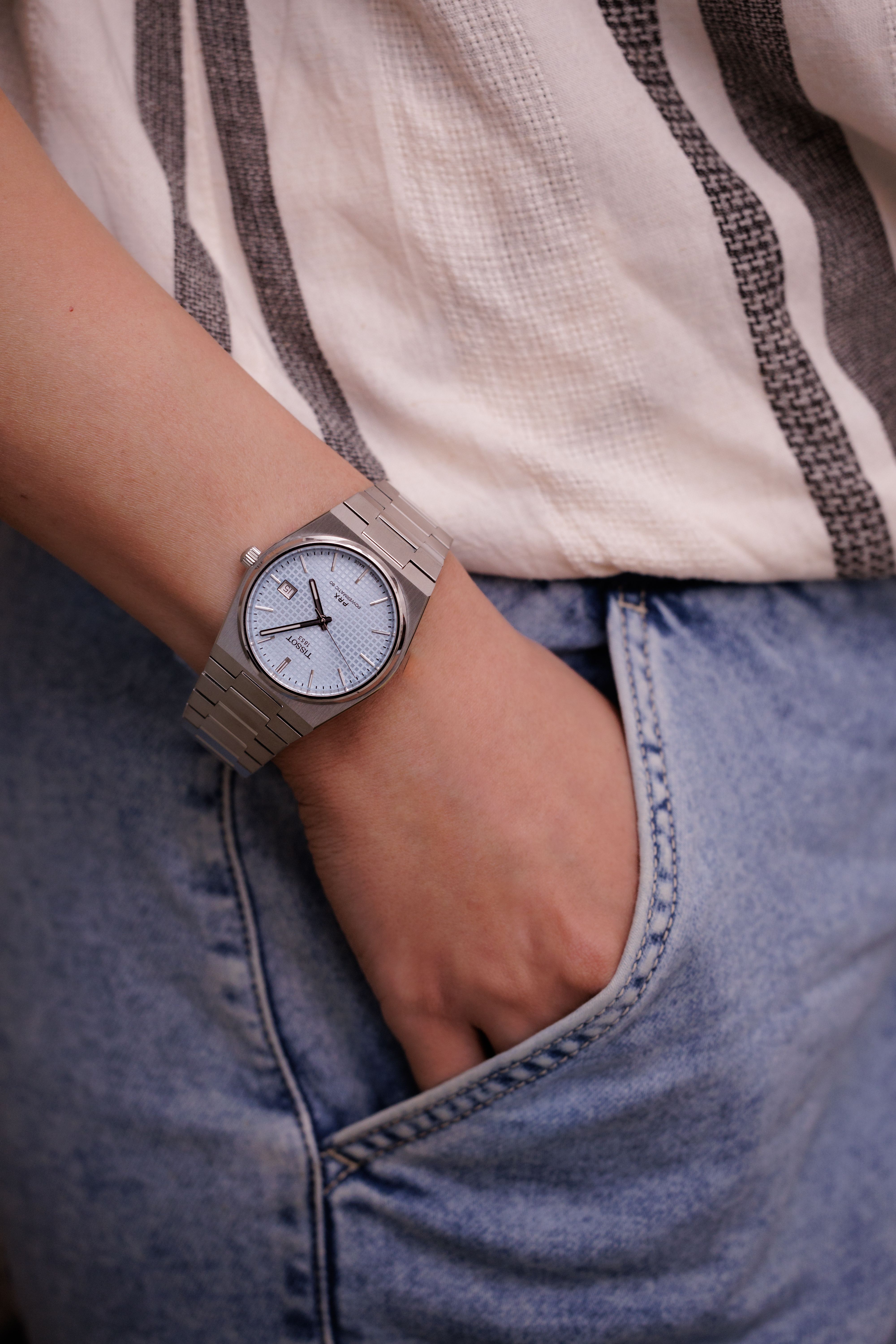
A watch CEO’s vision is ultimately judged by the steel they put on the wrist, and Dolla’s tenure is already defined by two major product pillars. The Tissot PRX Powermatic 80 which was created as a result of Dolla’s discovery of a 1978 integrated-bracelet sports from the brand's vast archive of 7,000 historical watches. To learn more about this watch click here.Operating on pure gut instinct, he mandated its modern re-issue within an aggressive eight-month timeline which became an industry-defining blockbuster, selling 20 times its initial forecasts. It single-handedly captured the younger demographic while earning the respect of high-end collectors.
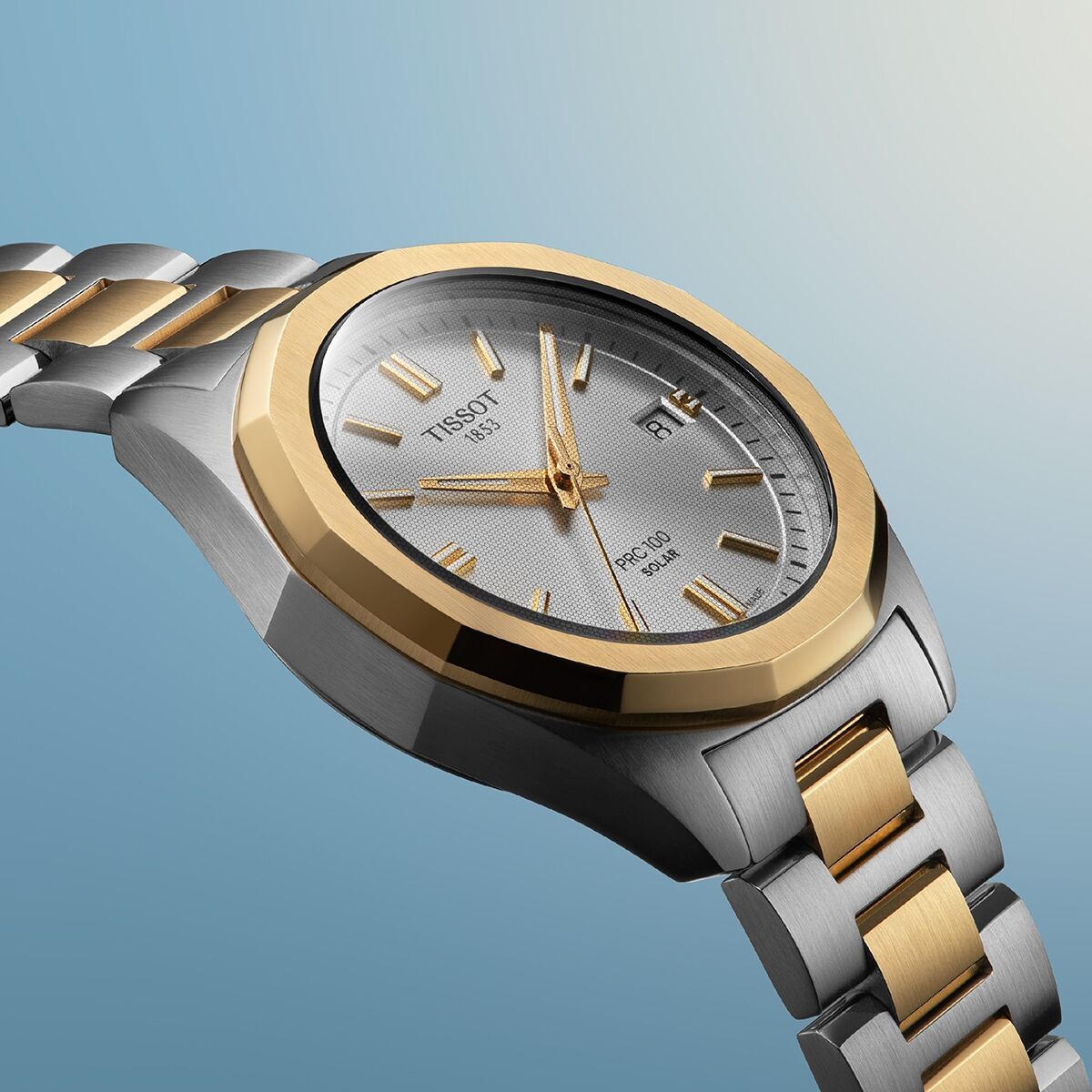
Leaning into his tech background, Dolla also spearheaded the integration of proprietary solar technology. Partnering with the Swiss research center CSEM, Tissot developed the Lightmaster Solar Technology. By embedding microscopic honeycomb solar cells invisibly beneath the dial, Tissot created connected and analog quartz watches with massive power reserves without the cheap aesthetic of visible solar panels. The PRC 100 Solar is powered by this same technology. To read more about this watch click here. In an industry that often defaults to pure mechanical nostalgia or superficial marketing, Sylvain Dolla has proven that the future of accessible luxury lies in operational discipline and technological integration. He didn't just look backward; he used Tissot's 170-year history as a foundation to build highly relevant, contemporary timepieces. By tuning the brand's massive catalog down to a more precise, deliberate frequency, Dolla has ensured that Tissot, much like a perfectly calibrated quartz oscillator, is running with absolute clarity into the future.
Back in Le Locle, that drawer Dolla pulled open in his first week is closed again, but thousands more sit behind it, each one a quiet bet waiting to be made. That's the real inheritance he's built on: not nostalgia, but the instinct to look at something old and ask what it could still become. Somewhere in that archive, drawer 7,001 is still waiting to be opened. What would you want it to hold? To read more about how Tissot's Indian market is causing a structural shift in the global world of watchmaking, click here.


