Dewey Vicknair: How A Gunsmith Became One Of Independent Watchmaking's Most Fascinating Names
 7 min read

Who would have thought that a gunsmith would take a keen interest in horology? What does a rifle have in common with the beating movement of a retrograde watch? Well, not every great independent watchmaker begins life at a Swiss watchmaking school. Some arrive through restoration benches, engineering workshops or family traditions stretching back generations. Dewey Vicknair's journey is different altogether. Before he became one of the most talked-about names in American independent watchmaking, he was building custom firearms by hand in Pennsylvania, machining intricate components to microscopic tolerances and developing an almost obsessive understanding of how mechanical systems function.
Today, collectors know him for exquisitely hand-crafted watches that combine classical architecture with distinctly original aesthetics. But what stood out to me during our conversation wasn’t merely his ability to finish bridges or design elegant dials, it's an uncompromising philosophy that insists a watchmaker should actually make watches. In an era where outsourcing has become commonplace, Dewey stands almost defiantly alone, producing as much of every watch as possible within his own workshop, often using machines and tools he has modified or built himself. His watches may be quietly elegant, but the thinking behind them is anything but conventional.
From Gunsmithing to Horology
Dewey’s introduction to precision craftsmanship came long before watchmaking entered the picture. As a custom gunsmith, he built bespoke firearms almost entirely by hand, an occupation that demanded patience, absolute precision and an intimate understanding of mechanical systems. "Understanding how machines function, whether it be a watch, a gun or an engine, has never been difficult for me. Mechanical devices just make sense," admits Dewey.
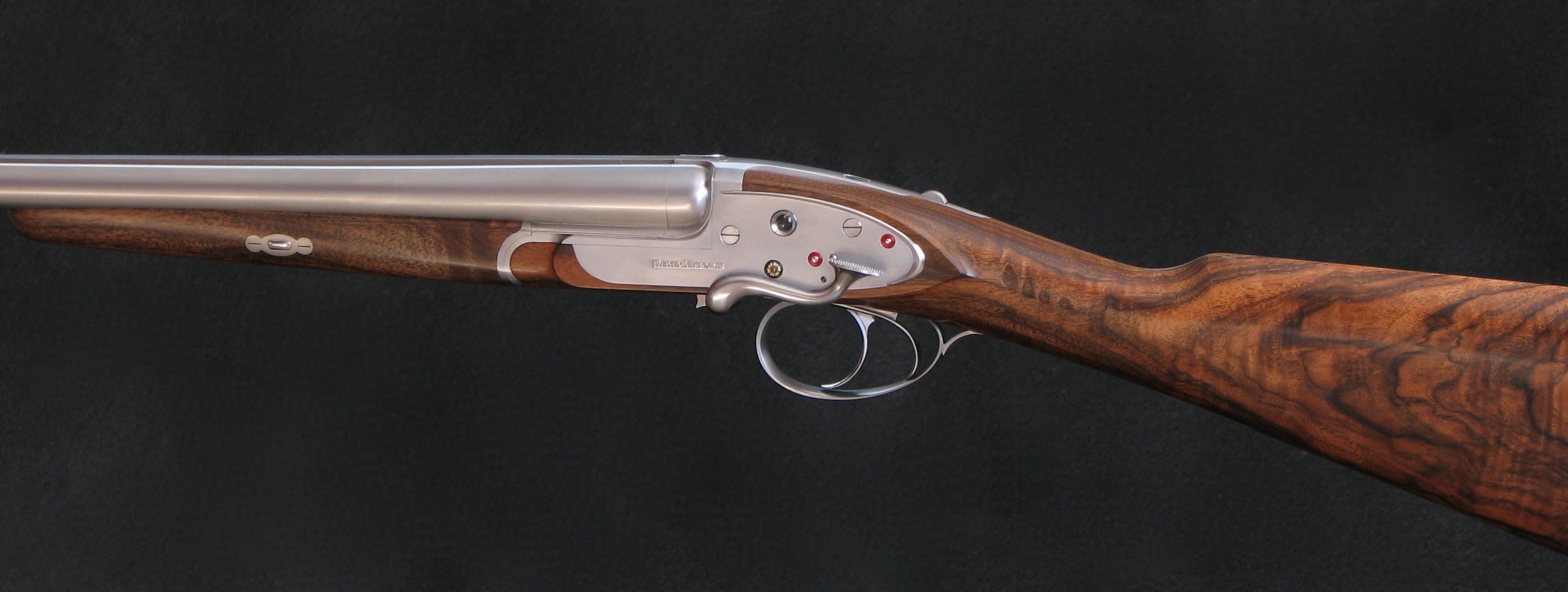
Ask whether he considers himself a watchmaker, a machinist or a craftsman, and his answer is revealing. "I guess my striving for precision, which is actually attainable and perfection which is not attainable, would make me of the three options given, a craftsman." That distinction defines everything he does. While precision is measurable, perfection remains an endless pursuit. It is this mindset that has shaped both his workbench and his watches. The transition from guns to watches wasn't simply a matter of working on a smaller scale. The principles remained familiar, but the forces involved were entirely different.
"Gunmaking taught me patience, which is definitely most valuable in watchmaking. The biggest difference isn't really the size of the components but the physical forces involved. Acclimating to that took some effort," he explains.
Making the Tools to Make the Watch
Step inside Vicknair's workshop and you'll quickly realise it isn't filled with expensive off-the-shelf equipment. Instead, many of the machines have been modified, rebuilt or designed specifically for the tasks at hand. Even the tools themselves become part of the creative process. Because every watch is essentially a unique commission, he frequently manufactures one-off tools designed for a single operation before discarding them once their job is complete. Others become permanent fixtures in his workshop, carefully finished with the same attention given to the watches themselves.
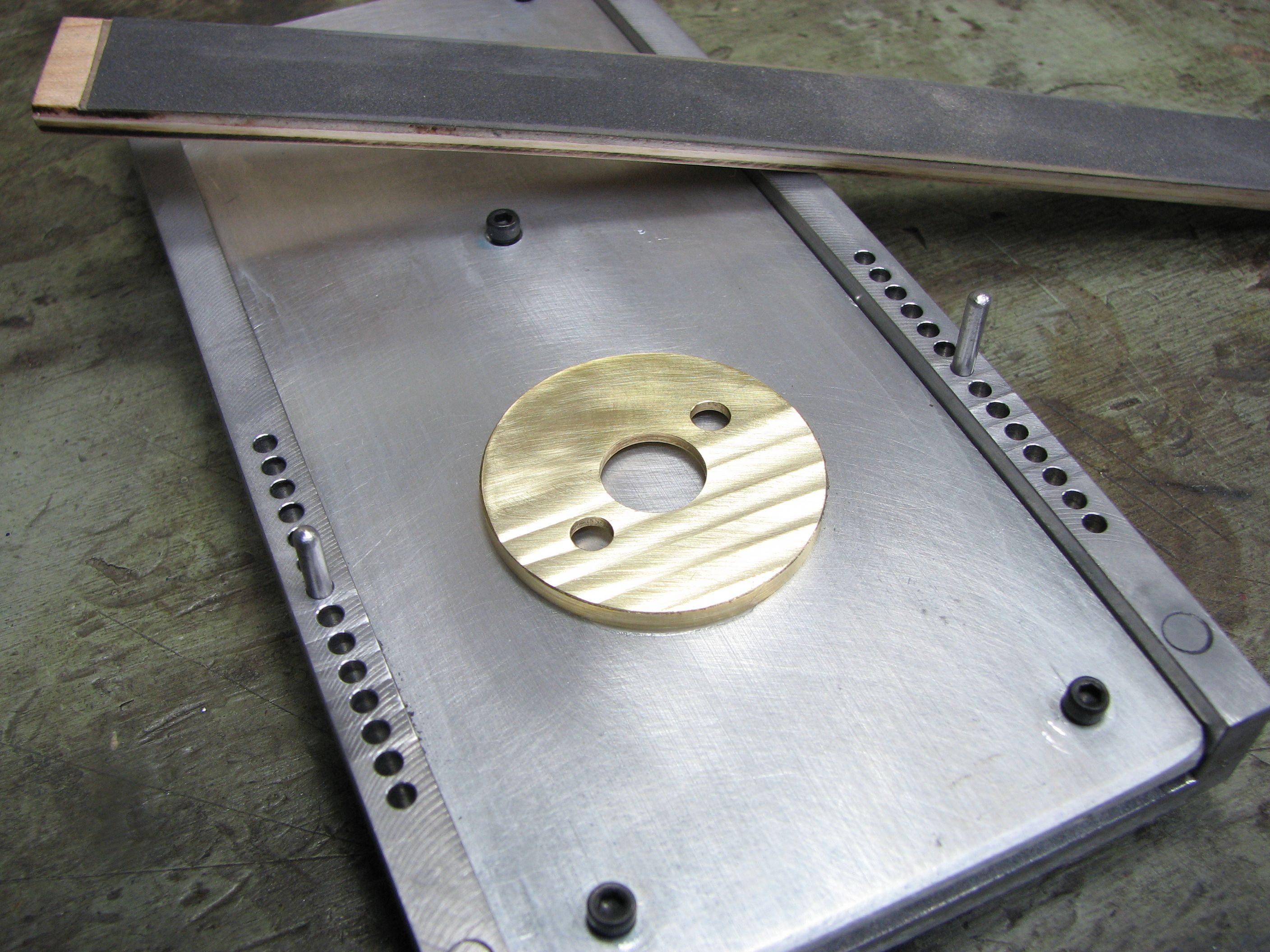
"Making the tools is an integral part of watchmaking. I get as much satisfaction from making the tools as I do from making the watch," reveals Dewey. That philosophy echoes the traditions of nineteenth-century master craftsmen, for whom creating specialised tooling was simply another extension of the craft itself. It also explains why Dewey’s workshop feels less like a modern production facility and more like a living laboratory of mechanical experimentation.
Why 'Handmade' Should Actually Mean Handmade
Among independent watchmakers, outsourcing components has become widely accepted. Cases are commissioned from specialist manufacturers, dials from artisans, hands from suppliers and movements from established calibre makers before being assembled and regulated under a single brand name. Dewey has little interest in following that path.
His conviction dates back to his years in gunmaking, where he repeatedly encountered the claim that no single craftsman could build an entire firearm. "People kept saying one person could never make the entire gun. When shown physical evidence to the contrary, they simply disbelieved it," he recalls. That experience shaped the way he approached watchmaking. "To my way of thinking, if you want to call yourself a watchmaker, you should be capable of actually doing so. Using a bought-in movement, installed in a bought-in case with bought-in dial and hands is not watchmaking, it's just putting your name on what others have made. I would never consider putting my name on someone else's work."
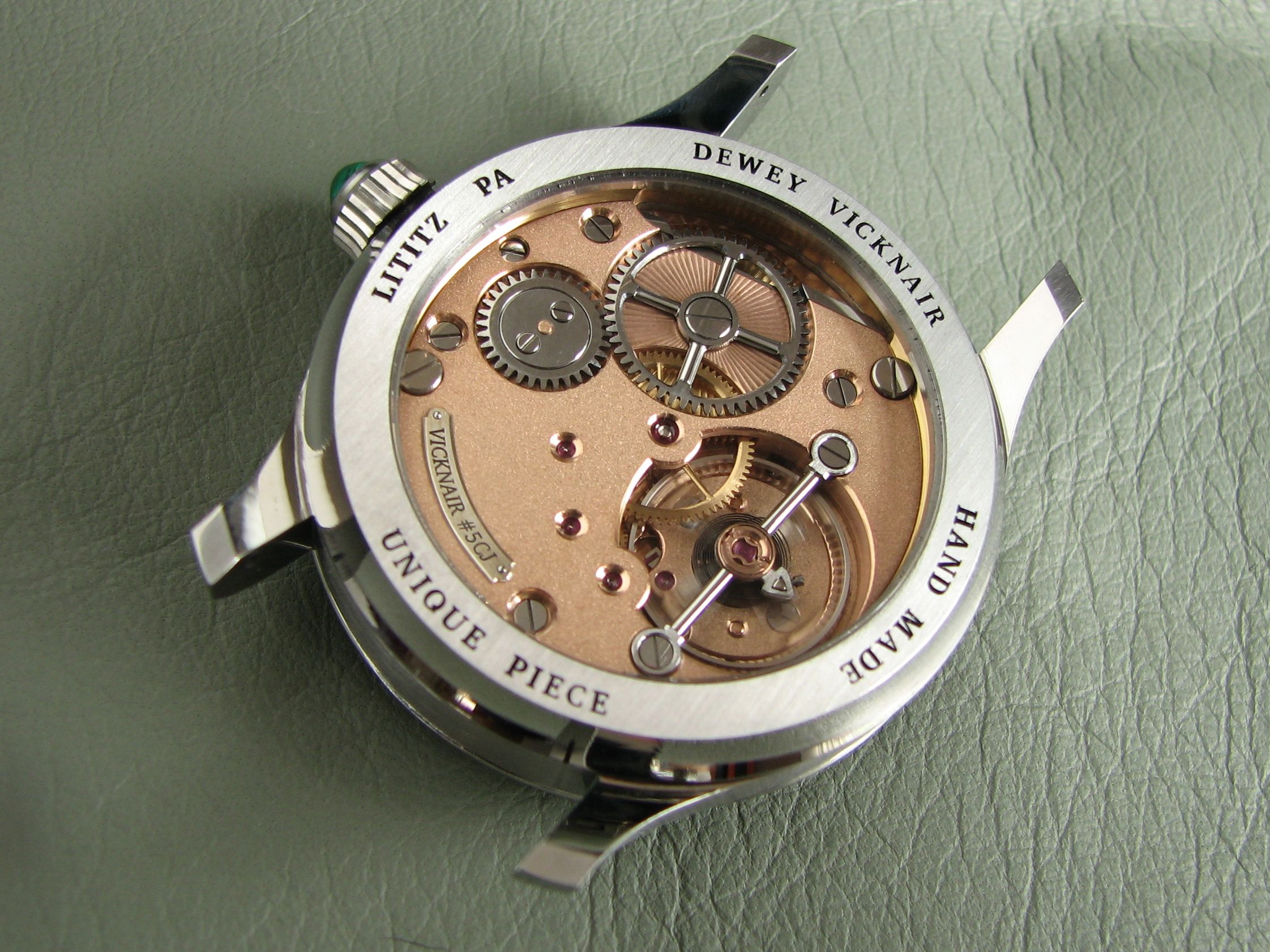
It is perhaps the single sentence that best defines his philosophy. While practical realities mean components such as jewels and crystals are sourced externally, almost everything else is fair game. Plates, bridges, cases, dials, hands and countless individual components emerge from his own machines, each one carrying the unmistakable fingerprint of its maker.
Beyond the Omega 266
Many collectors first encountered Dewey through watches based on the venerable Omega Calibre 266, but describing his work as modified vintage movements misses the point entirely. His earliest watch used the 266 as an ébauche, yet he quickly found that approach creatively limiting. "My first watch used the 266 as an ebauche but that didn't feel like real watchmaking to me. I wanted to actually make more of the movement myself," he says.
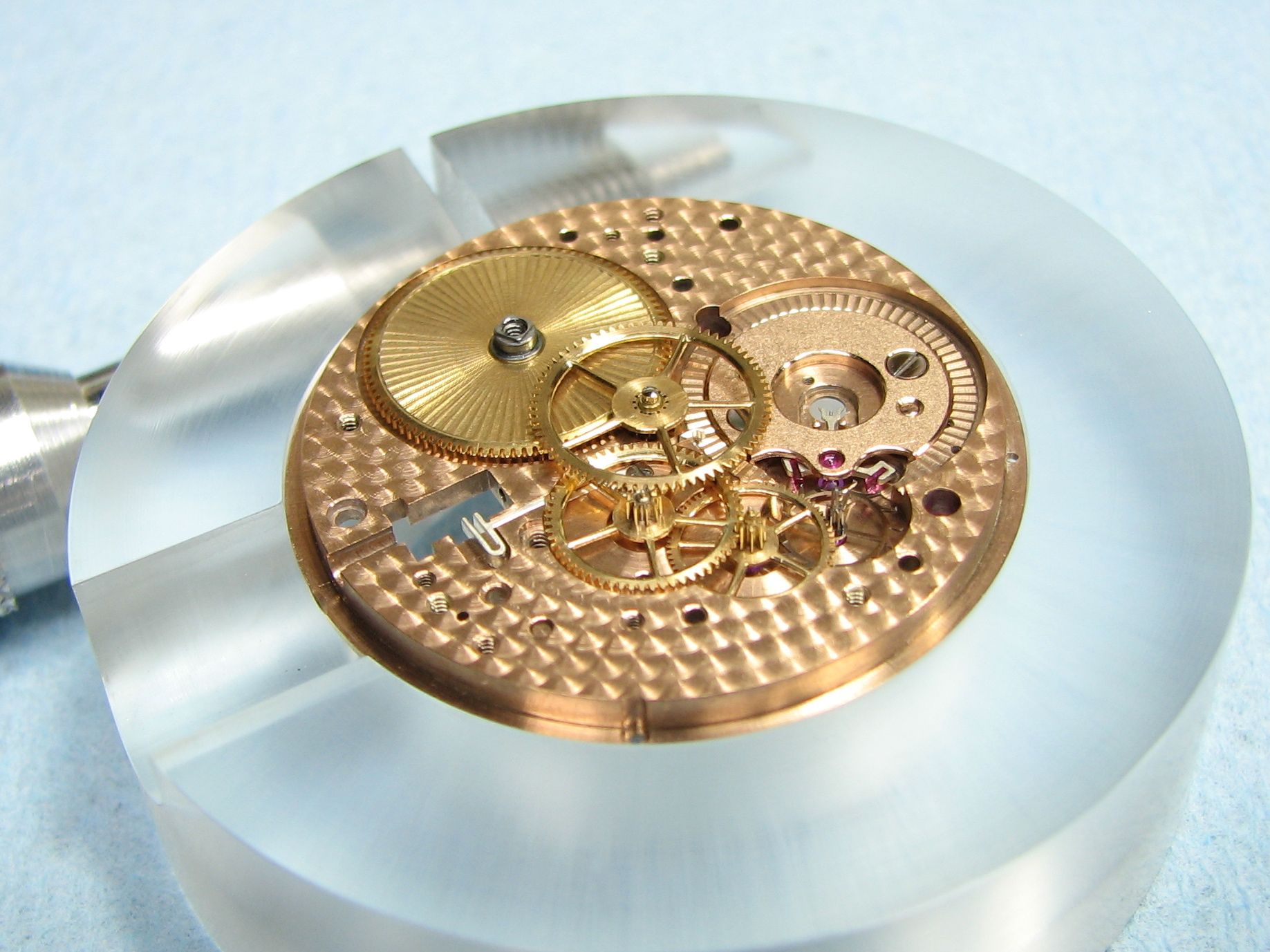
Each successive project has replaced more factory-made parts with components manufactured in his own workshop. Today, the original movement serves primarily as an architectural reference rather than a finished mechanism. The familiar layout remains because, as he pragmatically points out, there are only so many ways to arrange a barrel, gear train and balance within a round movement. The winding system and keyless works are retained largely because they are reliable, readily available and designed to handle the wear associated with everyday use. Rather than hiding these practical decisions, Dewey embraces them. His focus lies not in reinventing mechanical fundamentals but in expressing his own craftsmanship through every component he can realistically produce.
Inspired by History, Not Bound by It
There is something familiar about Dewey’s watches, yet they never feel derivative. Collectors accustomed to guilloché dials, Breguet numerals and observatory hands might expect another exercise in historical nostalgia. Instead, his watches possess a distinctly individual character, often combining classical restraint with bold architectural elements that immediately identify them as his own.
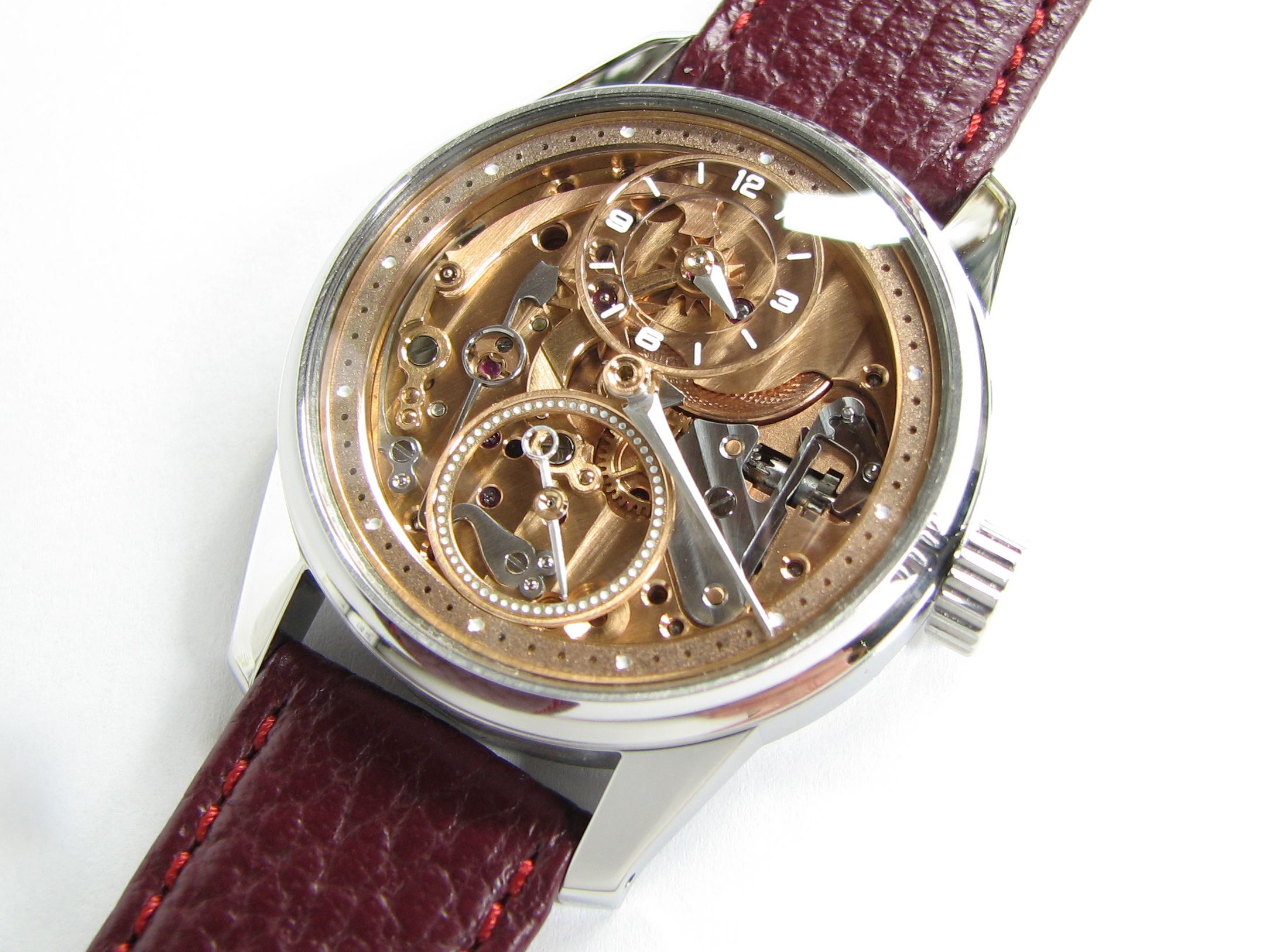
“I appreciate the classic Breguet style as much as anyone. But I think there are enough makers doing that sort of thing and doing it very well. I'd rather try to make watches that don't blend into the crowd. The world of independent watchmaking encourages originality in ways my previous profession never could. One of the biggest differences between the gun and watch worlds is that watch collectors are not afraid of things that are different. In the gun world, everyone wants the same thing,” shares Dewey. That willingness among collectors to embrace originality has become one of the driving forces behind his transition to horology.
The Retrograde That Changed Everything
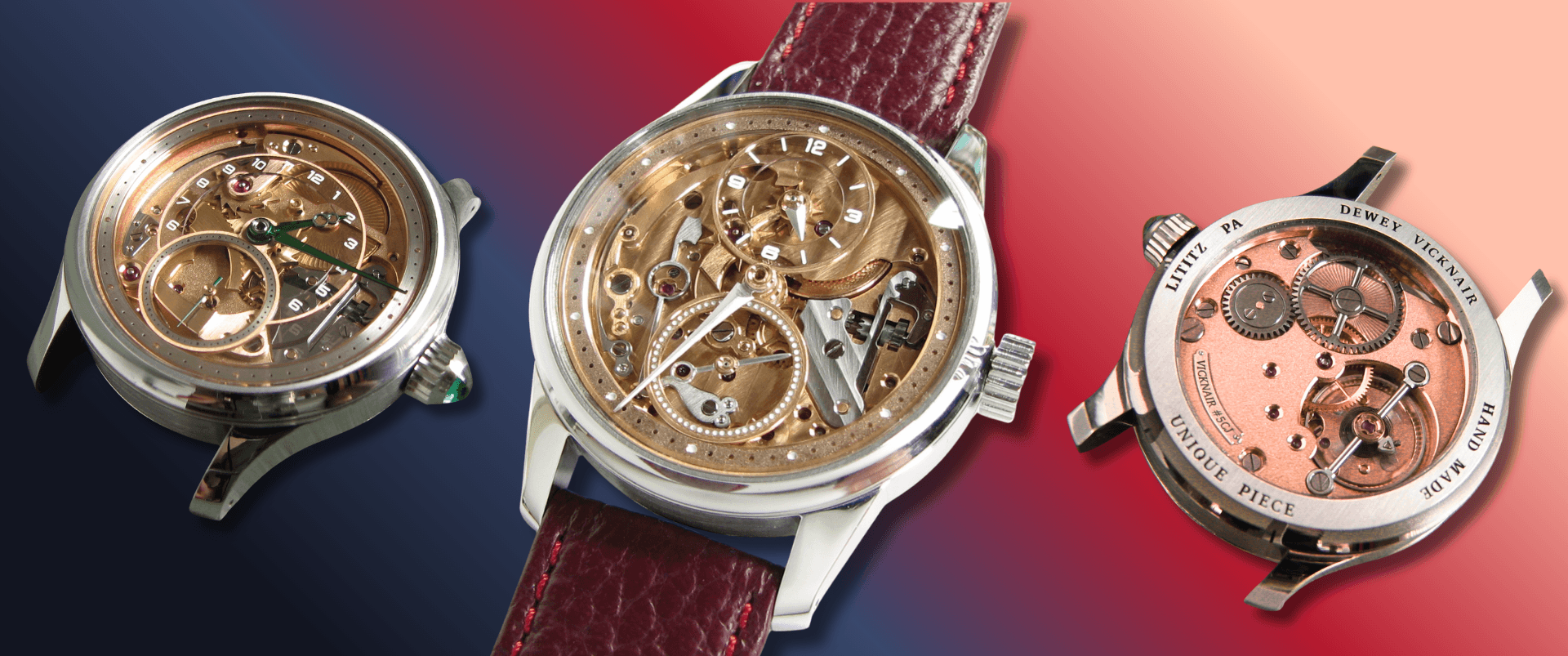
Dewey’s latest Retrograde watch marks an important milestone in that journey. While previous pieces established his reputation for meticulous handcraftsmanship, the Retrograde demonstrates growing confidence as both an engineer and designer. Built around an extensively reimagined movement, the watch introduces a retrograde indication while preserving the balanced visual language that has become his signature. The movement architecture, hand-finishing and carefully considered details reflect years of accumulated experience not only as a watchmaker but as someone who understands how every individual component is conceived, machined, finished and assembled. It is not simply another independent watch. It is a statement of intent from a craftsman steadily moving away from adapted foundations towards increasingly original creations.
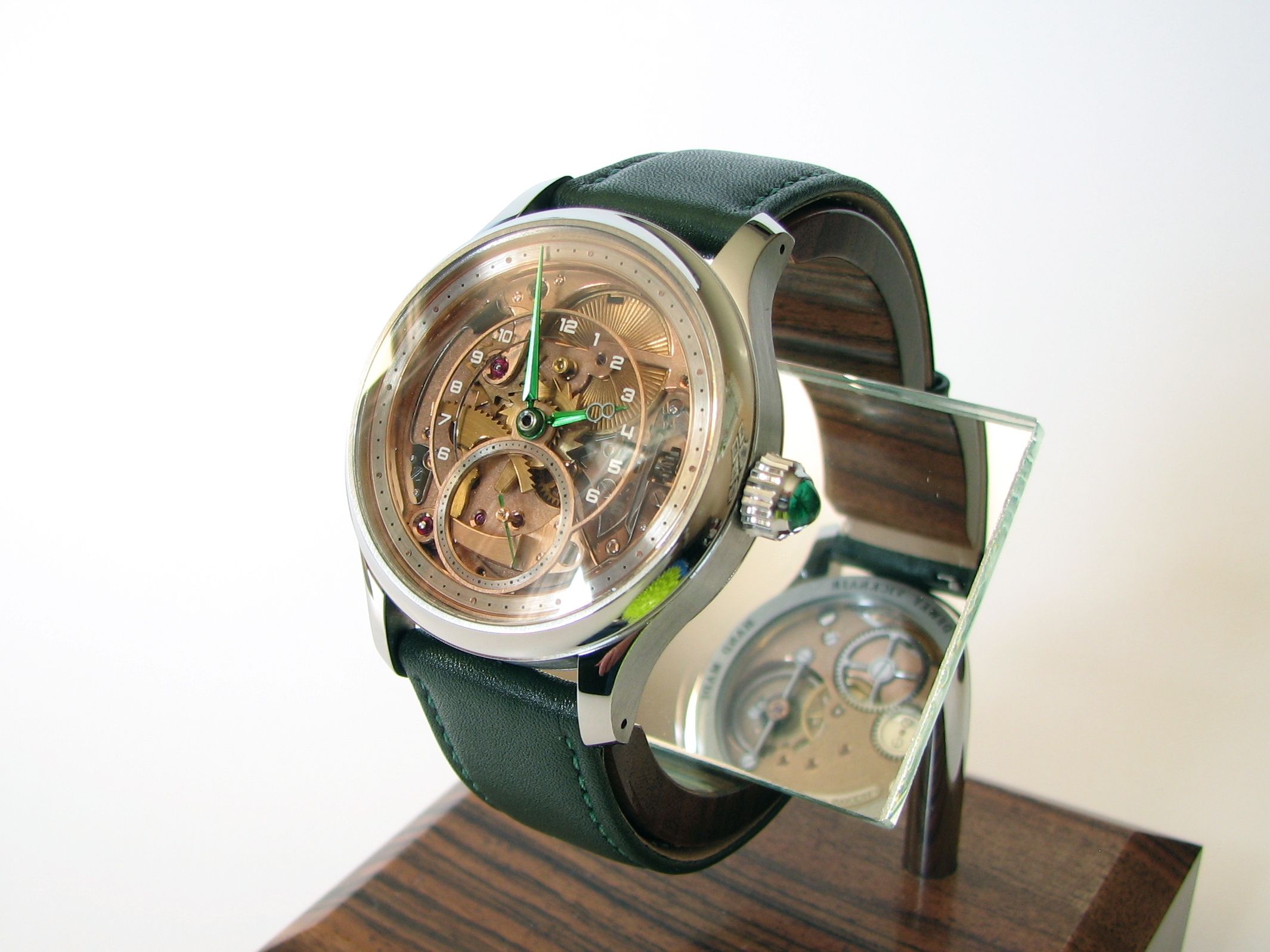
Despite the praise his work receives, Dewey remains remarkably self-critical. Asked where he feels he has improved the most, his answer isn't about engineering or design. "Definitely finishing. But I'm still not where I want to be," comes his quick and honest answer. That relentless dissatisfaction perhaps explains the steady evolution visible across every successive watch. Surprisingly, he isn't driven by an ambition to build increasingly complicated mechanisms.
“Some complications have more theatrical value than practical value,” he notes. Instead, his fascination lies with elegant engineering solutions such as the return-to-zero seconds mechanism and direct-impulse escapements, particularly the rarely explored duplex escapement. Rather than pursuing complications for prestige, he remains captivated by mechanical efficiency and thoughtful design.
A Watchmaker Without an Ego
Ask many independent watchmakers about their dream watch and the answers usually involve impossible complications or personal grails. Dewey’s response is refreshingly different. “Honestly, I've never really thought about making a watch for myself. My greatest satisfaction comes from the client's reaction when they see the watch that they had a hand in creating." It is a fitting conclusion to the story of a craftsman whose work has never been about chasing fame or producing watches in volume. Instead, it is about building objects honestly, mastering every stage of the process and refusing to sign anything he cannot truly call his own.
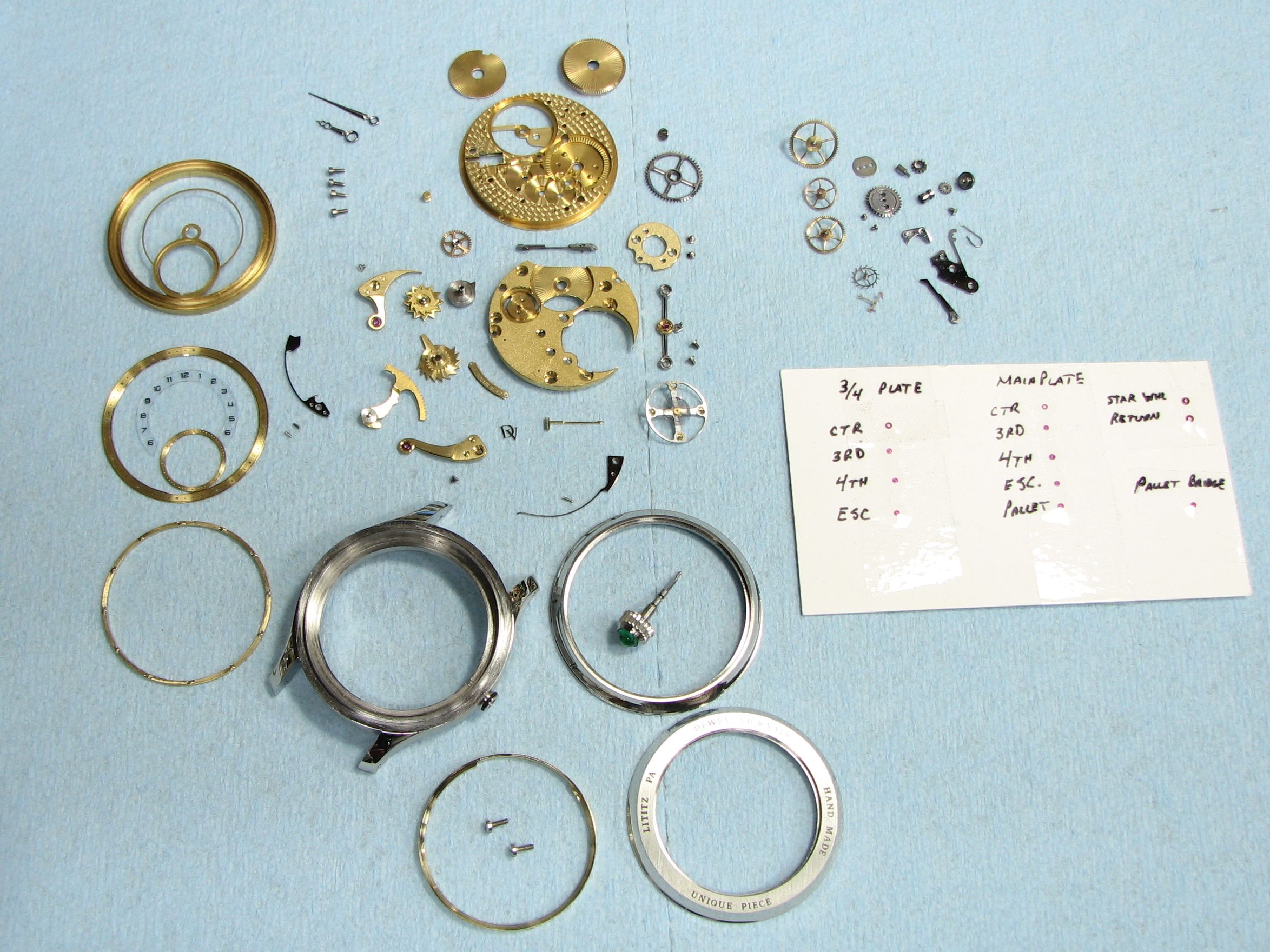
In an age where the word "handmade" is often stretched to its limits, Dewey Vicknair reminds us what the term once meant. His workshop may be small, his production measured in only a handful of watches each year, but every piece carries something increasingly rare in modern horology: the unmistakable imprint of a single pair of hands.


