Japanese Independent Watchmakers: The Godfathers Reshaping Horology (Part 1)
 5 min read

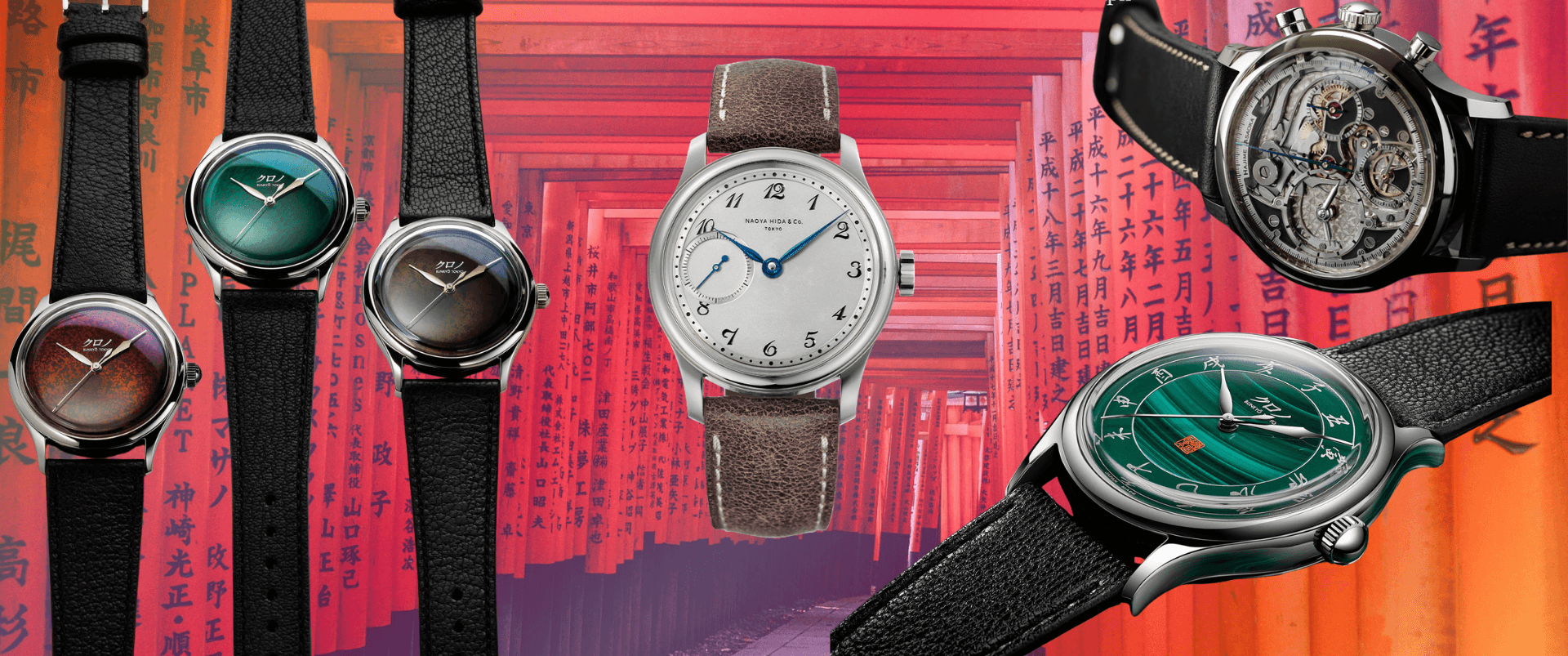
Japanese independent watchmaking has evolved into one of the most compelling creative movements in contemporary horology. While Switzerland continues to dominate the global luxury watch industry, Japan has developed a parallel ecosystem of independent watchmakers who operate at a very different scale - smaller, more personal, and often deeply driven by design philosophy rather than commercial expansion.
This is not a mass-production segment. It is a landscape of individual creators and small workshops, where watches are often produced in extremely limited quantities and shaped directly by the vision of their makers. For collectors searching for Japanese independent watchmakers, Kurono Tokyo, or the broader world of Japanese microbrands, this ecosystem represents a distinct alternative to traditional luxury watchmaking.
What Defines Japanese Independent Watchmakers?
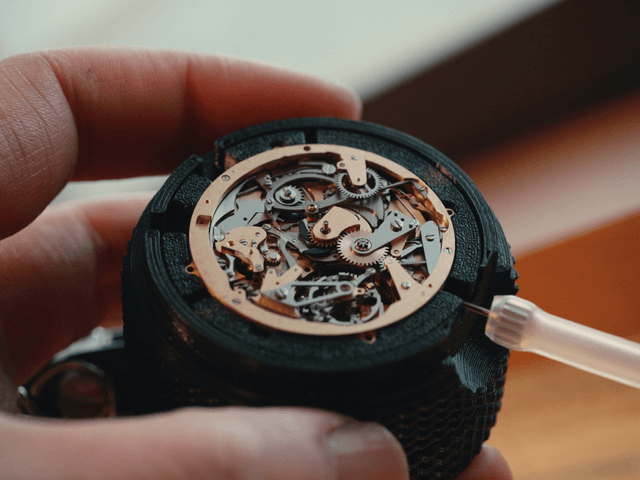
Japanese independent watchmakers are typically small-scale creators or ateliers producing mechanical watches outside large industrial frameworks. While there is no strict definition, they generally share several characteristics: They operate in small workshops or independent studios. Production volumes are highly limited compared to mainstream manufacturers. The maker is directly involved in design, finishing, or assembly. Their work is often driven by a strong design philosophy or conceptual approach rather than mass-market demand. Unlike large Japanese manufacturers such as Seiko, Citizen, or Casio, these independent creators operate at a scale defined by craftsmanship rather than industrial output.
Across this landscape, pricing varies widely depending on complexity, finishing, and exclusivity:
- Entry-level Japanese independents and design-led microbrands: approximately $300–$2,000 USD
- Mid-tier independent brands: approximately $2,000–$10,000 USD
- High-end independent watchmakers: approximately $10,000–$60,000+ USD
- Ultra-high independent commissions: can exceed $60,000+ depending on complexity and rarity
These ranges are indicative only and vary significantly by release model and availability.
Hajime Asaoka: A Defining Figure in Japanese Independent Watchmaking
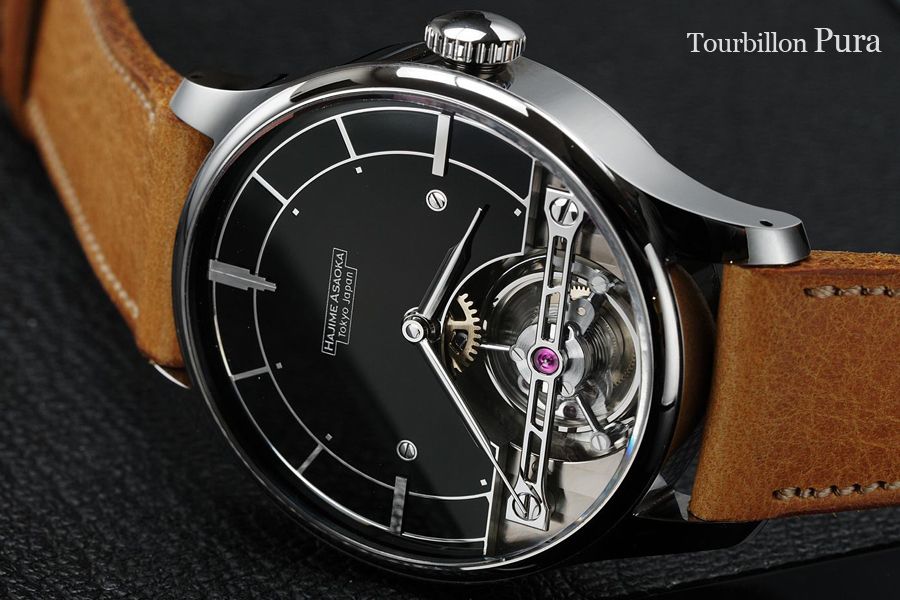
Hajime Asaoka is widely regarded as one of the most influential figures in modern Japanese independent horology. Originally trained as an industrial designer, Asaoka transitioned into watchmaking in the early 2000s after a career in product design. Rather than following a traditional Swiss apprenticeship path, he developed his watchmaking skills independently through study, experimentation, and hands-on mechanical development. He is also a member of the AHCI (Académie Horlogère des Créateurs Indépendants), the international organization of independent watchmakers.
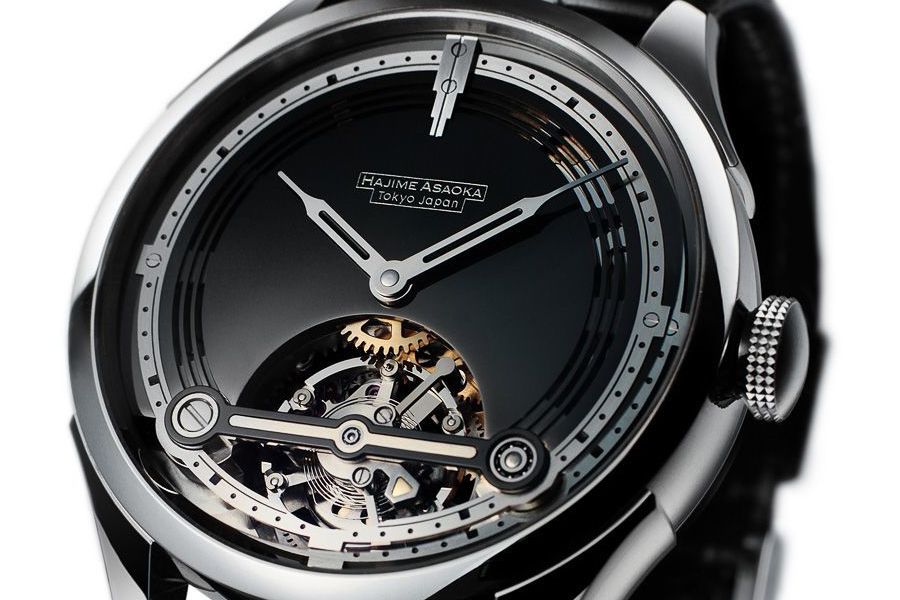
His work spans highly complex haute horology pieces as well as more accessible design-led watches, reflecting a dual approach that bridges artistic independence and broader accessibility.
Kurono Tokyo: Accessible Independent Design
Kurono Tokyo was created as a more accessible expression of Asaoka’s design philosophy. Unlike his highly limited personal commissions, Kurono Tokyo offers internationally available watches through structured online releases. The brand is known for art deco-inspired dial design, strong focus on proportion and visual balance, use of reliable Japanese mechanical movements and direct-to-consumer online release model. Kurono Tokyo plays an important role in introducing a wider audience to Japanese independent design thinking at a more accessible price point.
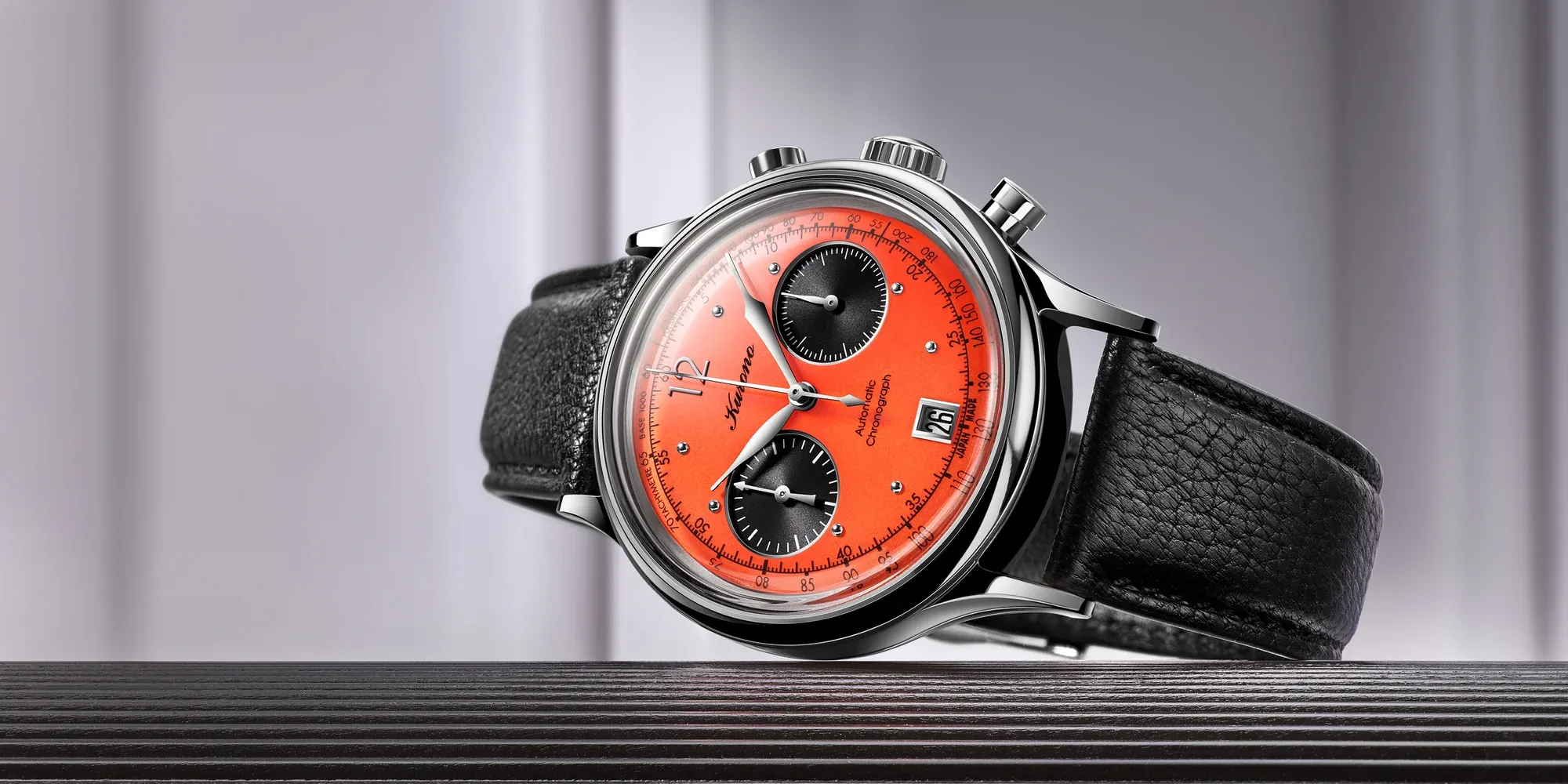
Indicative price range: approximately $1,500–$4,000 USD depending on model and release.
The Asaoka Ecosystem and Independent Workshop Culture
Precision Watch Tokyo is part of the broader workshop ecosystem associated with Asaoka’s independent watchmaking activities. Rather than functioning as a centralized manufacturing empire, it operates as a collaborative environment supporting design, prototyping, and small-scale watchmaking projects, including heritage and experimental initiatives. This reflects a broader characteristic of Japanese independent watchmaking: it is not a single structured industry, but a network of individual creators and closely linked workshops.
Otsuka Lotec: Industrial Design Meets Horology
Otsuka Lotec, founded by designer Jiro Katayama, represents a highly distinctive design-driven approach to independent watchmaking. Katayama’s background in industrial and product design heavily influences the brand’s identity. Instead of traditional horological aesthetics, Otsuka Lotec draws inspiration from mechanical instruments, automotive dashboards, and industrial measurement devices. The result is a design language that emphasizes mechanical expression and conceptual originality rather than conventional dress-watch styling. The brand operates through limited releases primarily in Japan, with availability often dependent on domestic allocation systems and release cycles.
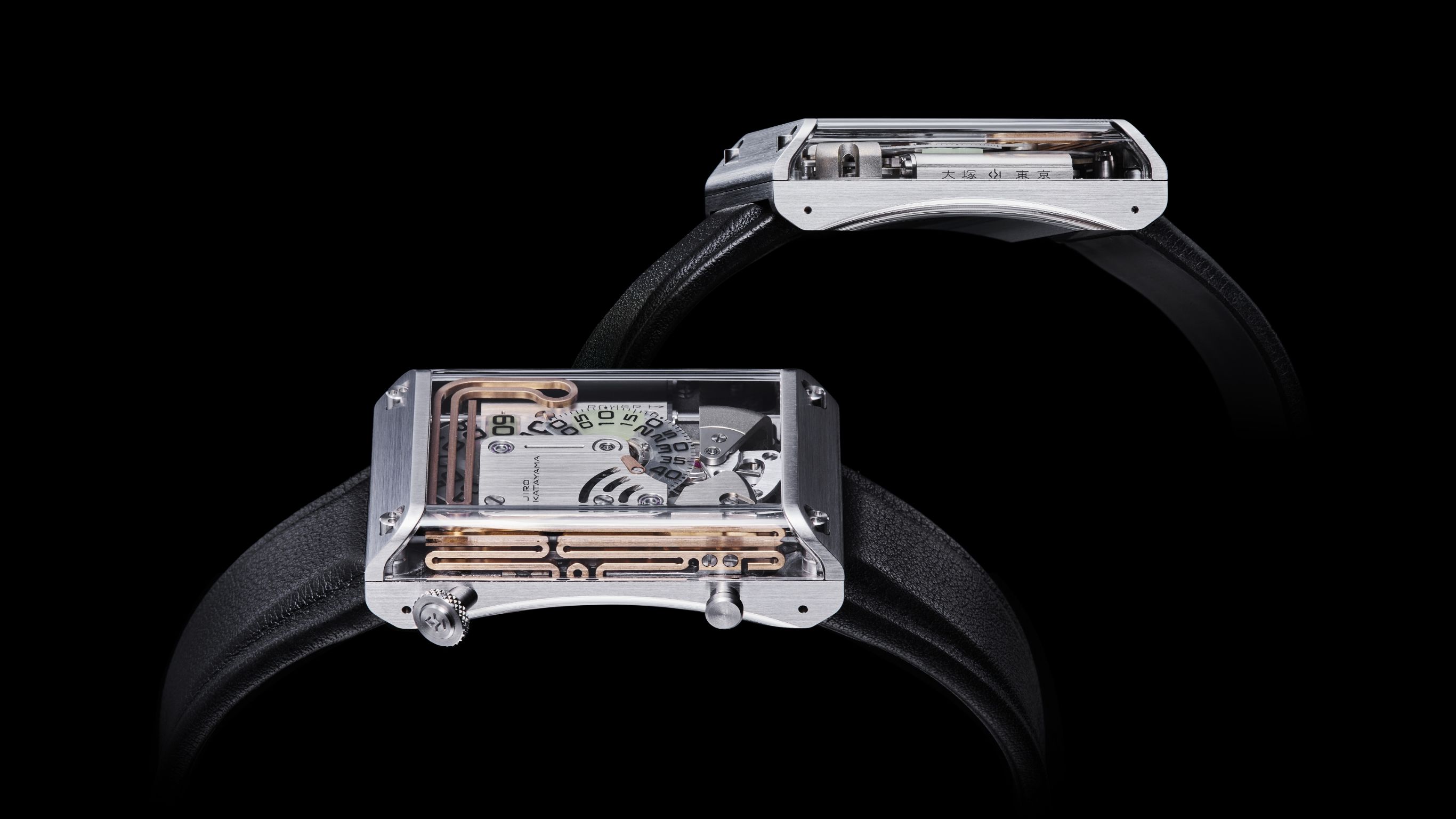
Indicative price range: approximately $3,000–$12,000 USD depending on model and release structure.
The Broader Landscape of Japanese Independent Watchmaking
Beyond the most recognized names, several independent makers and ateliers contribute to Japan’s evolving horological identity.
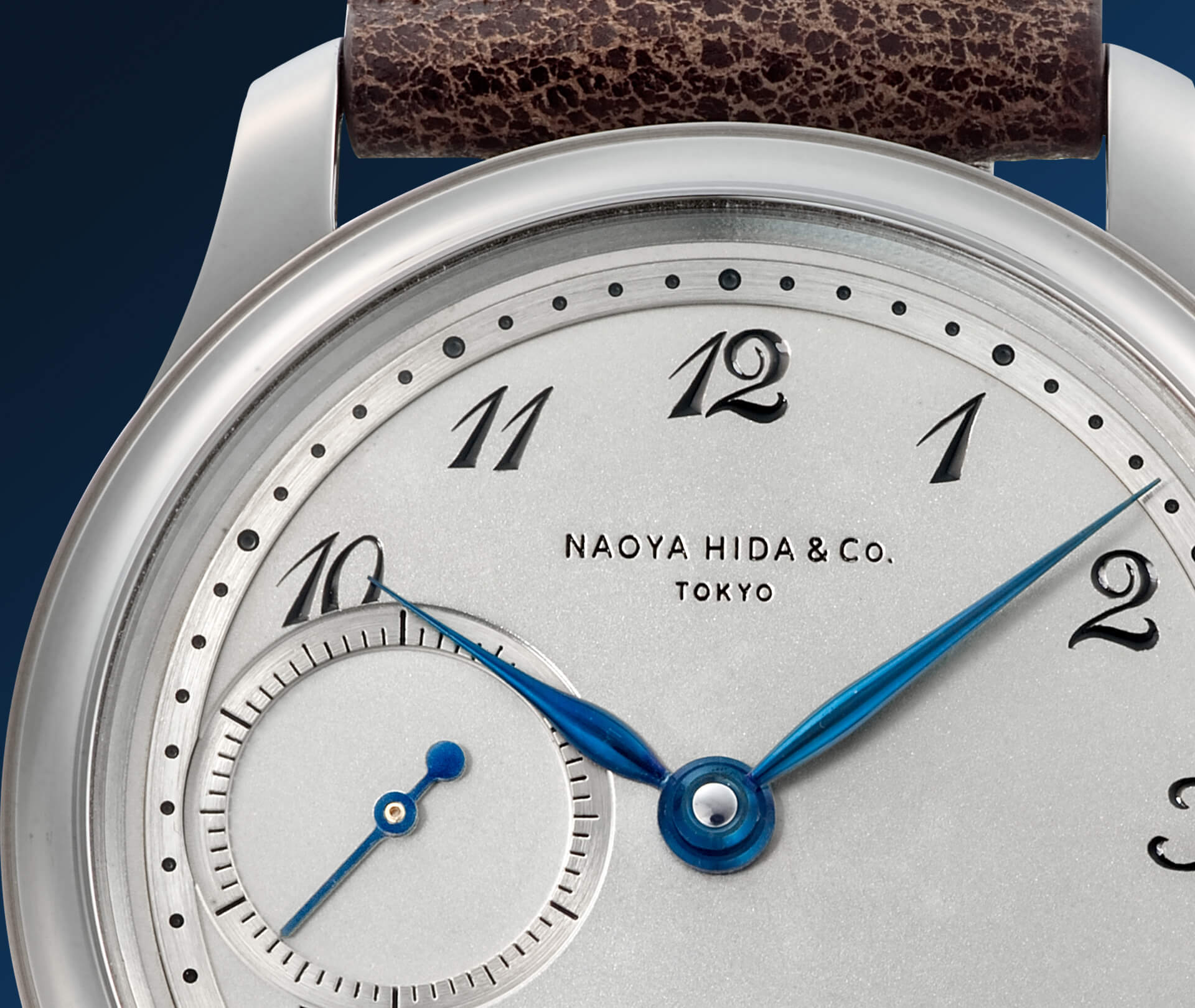
- Naoya Hida & Co is known for its refined classical design language and hand-finished dial elements, including hand-engraved numerals that give each piece subtle individuality.
- Kikuchi Nakagawa focuses on highly artisanal production and traditional craftsmanship techniques applied to modern watchmaking.
- Takano represents a heritage revival project, reinterpreting early Japanese watchmaking traditions through contemporary production methods.
Each of these brands reflects a different interpretation of independence, from classical refinement to experimental craftsmanship.
Buying Japanese Independent Watches
Purchasing Japanese independent watches depends heavily on the brand’s distribution model. Common systems include, direct online releases (as used by Kurono Tokyo), sllocation or application-based purchasing systems, limited domestic releases within Japan And select international availability depending on brand structure. Unlike mainstream luxury brands, access is often defined more by release systems than traditional retail distribution.
A Fragmented but Highly Creative Movement
Japanese independent watchmaking is not a unified industry. It is a collection of individual creators, each working with distinct philosophies and production approaches. From Asaoka’s design-driven horology to Katayama’s industrial reinterpretation of time, and Naoya Hida’s refined classical execution, each maker represents a different vision of what a mechanical watch can be. What connects them is not scale or commercial alignment, but a shared commitment to independence, craftsmanship, and design integrity.
Want to explore Japanese independent watches? Start with Kurono Tokyo - the entry point offering Asaoka's seal of approval without decade-long waits. Visit the official website (kuronotokyo.com) to participate in online lottery releases. If you're considering a serious commitment, research the brands in Part 2 to find makers whose philosophy aligns with your values.
Ready for the deep dive? [Read Part 2: The Rising Stars of Japanese Independent Watchmaking]


