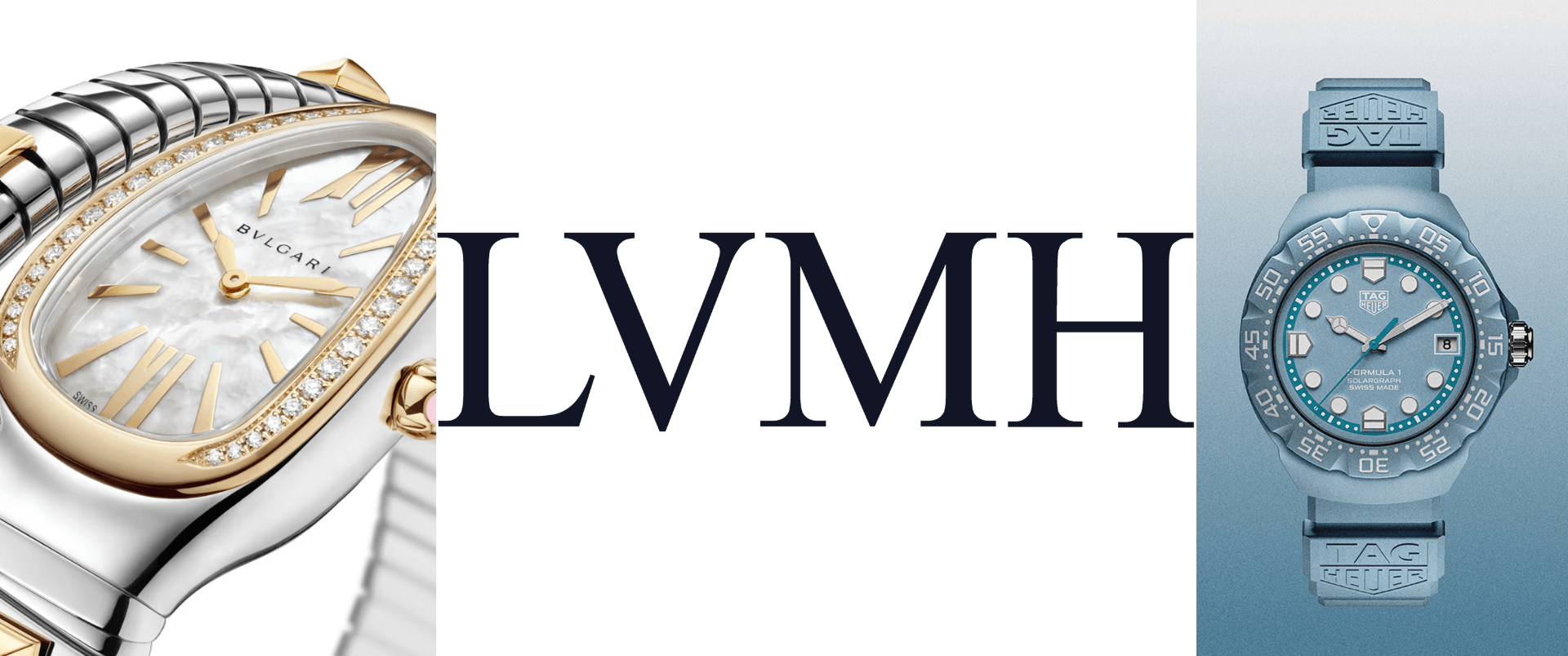
LVMH's Watch Business Is Back In Growth Mode, And Tag Heuer, Bvlgari Are Leading The Charge
 5 min read

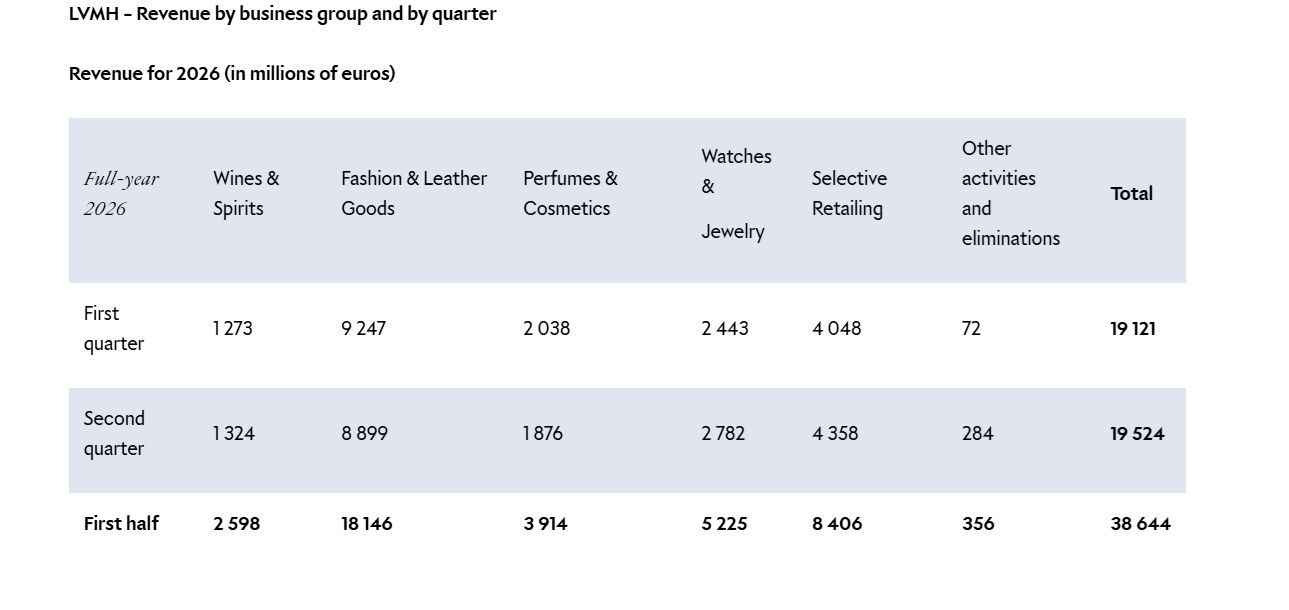
If there was one takeaway from LVMH's first-half 2026 financial results, it is this: luxury is regaining momentum. The world's largest luxury conglomerate reported revenue of €38.6 billion during the first six months of the year, alongside €8.7 billion in recurring operating profit and €4.1 billion in free cash flow. While those numbers are impressive in their own right, the bigger story for watch enthusiasts lies in what happened inside the Watches & Jewellery division. The luxury giant's latest half-year results reveal more than just impressive revenue. They signal a renewed appetite for high-end watches and jewellery, with iconic maisons once again driving demand across global markets.
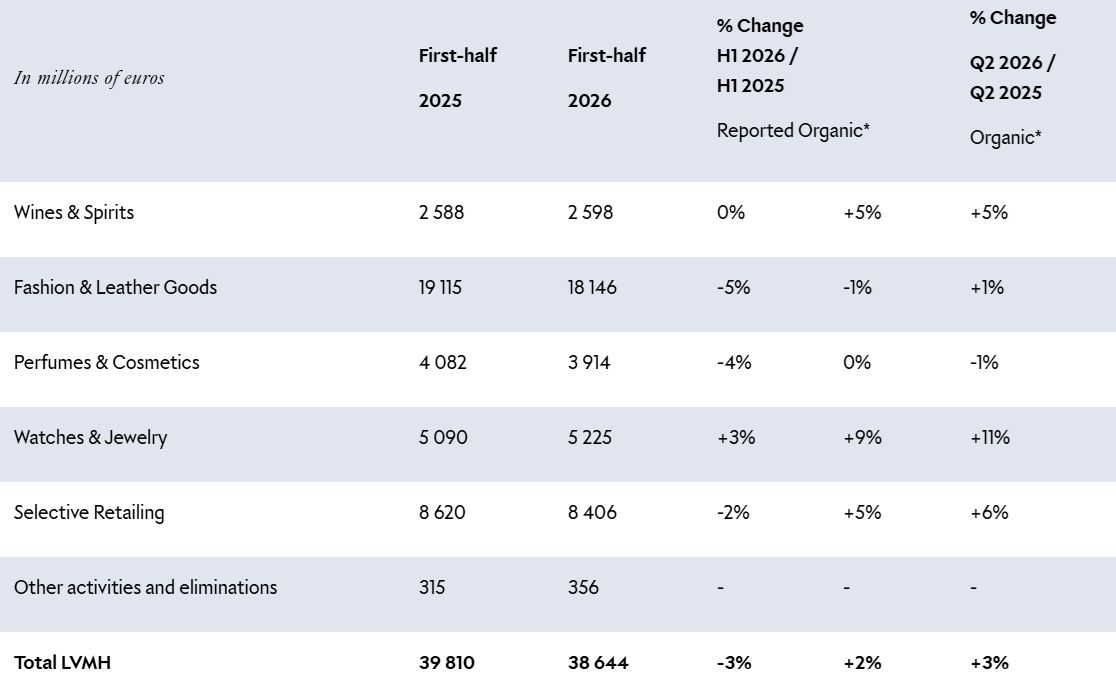
After a challenging period marked by slowing demand and geopolitical uncertainty, LVMH's watch and jewellery business is showing clear signs of recovery. The division posted 11 per cent organic revenue growth in the second quarter, a significant acceleration compared to earlier quarters and one of the strongest performances across the Group. More importantly, operating margins also improved, indicating that the growth wasn't driven by discounts or increased volumes alone, but by continued demand for high-value products.
Tiffany And Bvlgari Steal The Spotlight
Among LVMH's watch and jewellery maisons, Tiffany & Co. emerged as one of the biggest success stories. The American jeweller continued to strengthen its bestselling Knot and HardWear collections while investing heavily in renovating its global boutiques. The appointment of actress Natalie Portman as the maison's newest ambassador further reinforced Tiffany's positioning in the ultra-luxury segment, helping the brand connect with a new generation of consumers without losing its heritage appeal.
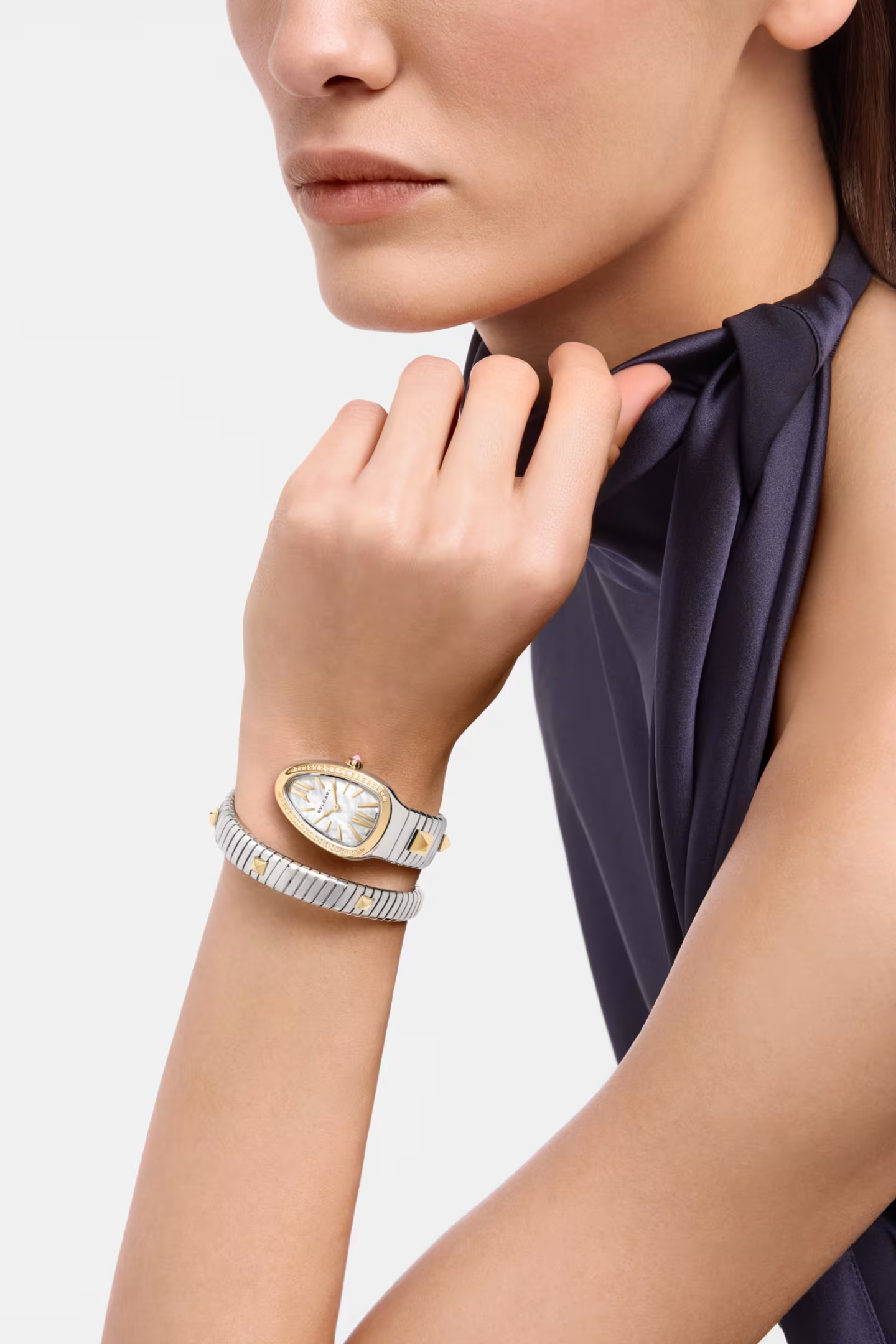
Meanwhile, Bvlgari delivered another standout performance, particularly in high jewellery and prestige watchmaking. The launch of its Eclettica high jewellery collection generated record-breaking sales, while the ever-iconic Serpenti line remained central to the brand's communication strategy. For collectors, this reinforces Bvlgari's growing influence as a serious watchmaker capable of balancing exceptional jewellery craftsmanship with technical watchmaking innovation.
TAG Heuer Keeps Racing Ahead
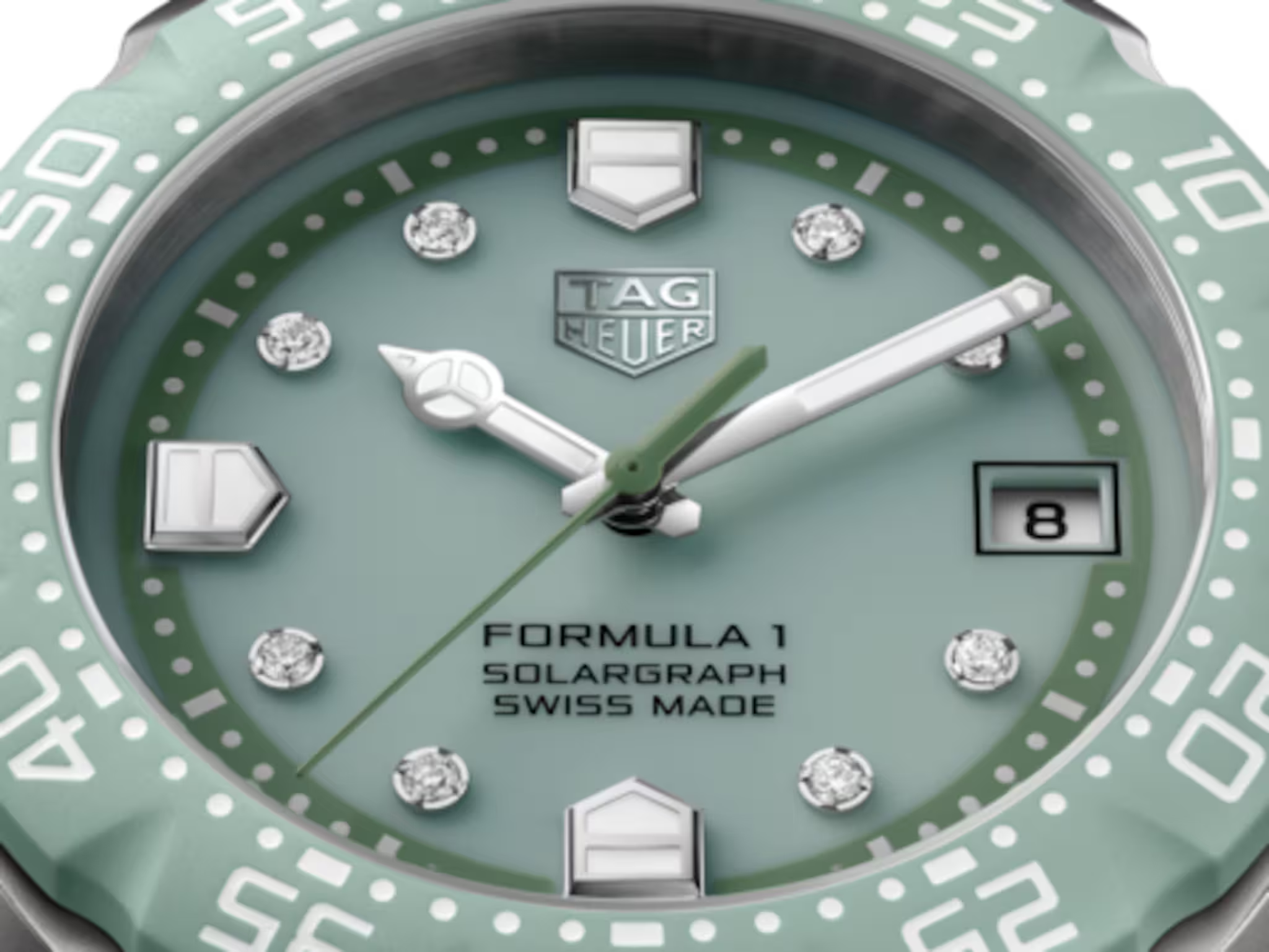
In the watchmaking segment, TAG Heuer continued leveraging its high-profile association with Formula 1. Its strong presence across Grand Prix weekends has become far more than a sponsorship exercise it has evolved into one of luxury watchmaking's most visible marketing platforms. As Formula 1 continues attracting younger audiences worldwide, particularly in Asia and North America, TAG Heuer remains well positioned to translate sporting visibility into commercial success.
The report also reflects a broader trend emerging across the Swiss watch industry: heritage brands are increasingly investing in experiences and storytelling rather than relying solely on product launches. This strategy is becoming critical as younger buyers seek emotional connections alongside craftsmanship.
Growth Returns Across Key Markets
Geographically, the report paints an encouraging picture for luxury. The United States delivered stronger growth than expected, while Asia excluding Japan continued its recovery that began in late 2025. Europe remained resilient despite economic uncertainty, and Japan also contributed positively during the half-year. For the watch industry, these markets are particularly significant. Strong demand from Asia has traditionally underpinned Swiss watch exports, and signs of sustained recovery suggest that collectors are once again returning to discretionary luxury purchases. LVMH's results indicate that confidence is gradually returning to premium spending despite ongoing geopolitical tensions.
More Than Just Strong Numbers
Although LVMH's overall operating margin remained an impressive 22.5 per cent, the company's leadership emphasised something equally important desirability. Bernard Arnault highlighted the success of creative renewal across several maisons, particularly Jonathan Anderson's first collections for Dior, alongside continued investment in flagship retail experiences and iconic product families. That philosophy extends directly to the watch business. Rather than chasing short-term volume, LVMH continues to focus on reinforcing the long-term value of its brands through craftsmanship, innovation and exclusivity. It is an approach that has consistently differentiated the Group from competitors and one that appears to be paying off once again.
For watch collectors, the message is clear. The difficult correction that followed the post-pandemic luxury boom is gradually giving way to a healthier market driven by genuine demand rather than speculation. Strong performances from Tiffany, Bvlgari and TAG Heuer suggest that consumers are once again gravitating towards established maisons with clear identities, compelling storytelling and iconic collections.
Bernard Arnault, Chairman and CEO of LVMH, commented: “LVMH demonstrated its solidity and effective strategy. Our Maisons – which remained focused on ensuring the utmost quality in our products, and several of which are pursuing their creative renewal – continued to inspire dreams and enhance their desirability. Accelerating growth in the second quarter arose in particular from the success of Jonathan Anderson’s first designs for Christian Dior, the remarkable performance of Louis Vuitton’s exceptional new stores in Beijing and Seoul, and Tiffany and Bvlgari’s iconic lines. Strong growth at Sephora and the recovery in champagne and cognac also contributed to this excellent momentum. While continuing to pay very close attention to margins, we are entering the second half of the year with renewed confidence in the long-term potential of our Maisons and in our highly committed teams to continue to stand out and reinforce LVMH’s leadership position. The latest edition of our Journées Particulières events will showcase the invaluable expertise of our craftspeople and the rich heritage of our Maisons, offering an array of unique experiences.”
While global economic uncertainty remains, LVMH's latest results offer one of the clearest indicators yet that confidence is returning to the luxury watch and jewellery sector. If the first half of 2026 is any indication, the industry's next chapter may be defined less by explosive growth and more by sustainable, brand-led desirability something every great watchmaker ultimately strives to achieve.


