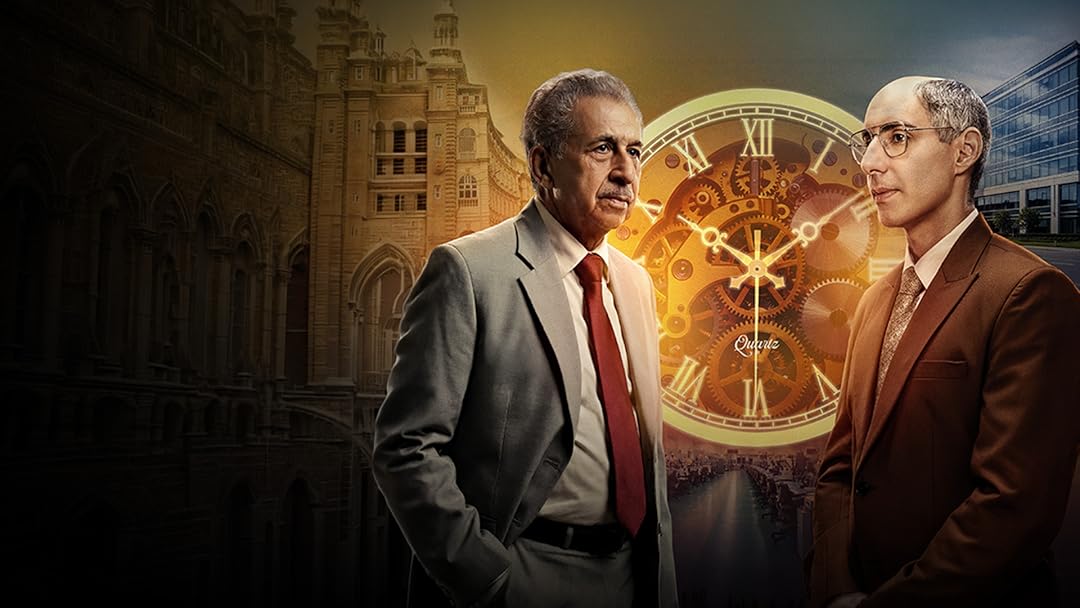
When A Watch Becomes A Movement: "Made in India: The Titan Story" And The Resurgence of Belief
 7 min read

There's a moment in the new Amazon MX Player series "Made in India: A Titan Story" when JRD Tata, played with quiet gravitas by Naseeruddin Shah, responds to a Swiss watchmaker's dismissal of India's capability to make world-class watches. The Swiss executive essentially laughed at the idea. JRD's response wasn't loud or aggressive. It was measured, certain, and deeply human - the response of a man who understood something the skeptics didn't: that belief, when paired with vision, is worth more than a century of European precedent. I watched that scene and thought of my father, Sunil Karer.
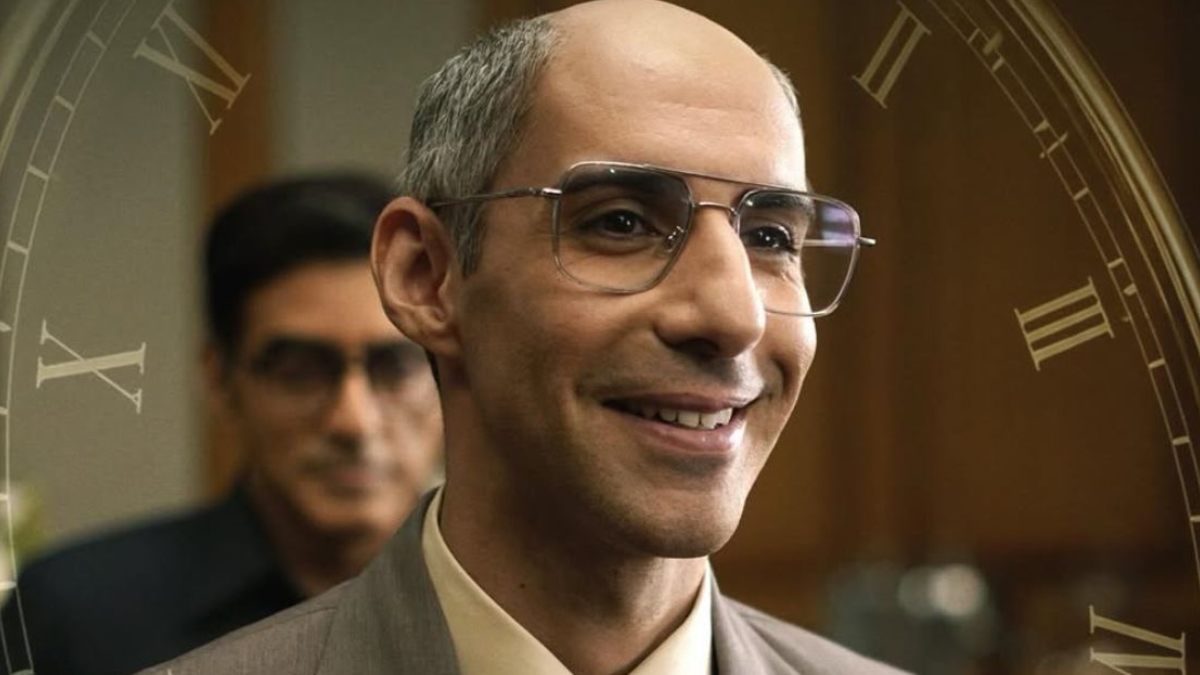
Over countless conversations, he's told me stories about Titan that I never fully appreciated until I saw them unfold on screen. Stories about Xerxes Desai pitching an impossible idea to a Tata boardroom drowning in bureaucracy. Stories about a team assembling in Hosur, Tamil Nadu - a sleepy town near an old HMT factory with nothing but conviction and a willingness to fail better. Stories about how they chose to bring Mozart to the Indian masses, not through concert halls, but through television. Stories about a man named Bhaskar Bhat, who would later rebuild everything when the European market nearly broke them. My father spoke of these moments with a reverence I couldn't quite understand back then. To me, Titan was just... a watch brand. Reliable. Indian. But watching "Made in India: A Titan Story," I finally understand what he's been telling me all along.
A Series That Proves Stories Matter
This six-episode series, based on Vinay Kamath's definitive book "Titan: Inside India's Most Successful Consumer Brand," doesn't feel like a corporate advertisement. That's what makes it remarkable. In an era where brand storytelling often devolves into glossy propaganda, this series, directed by Robbie Grewal chooses intimacy over spectacle. It chooses people over milestones. The Hollywood Reporter India called it "The feel-good watch of the year." India Today observed it was "warm, human, and quietly inspiring." Filmfare wrote that it's "a love letter to the spirit of Indian enterprise, to the men and women who believed, in the face of Swiss skepticism and domestic bureaucracy, that India could put a world-class watch on the world's wrist." But here's what I think matters more than the critical consensus: what the series is doing to people who watch it.
The Consumer Awakening I'm Witnessing
In the two weeks since the series premiered, I've experienced something I didn't expect. Strangers are calling me. Friends are reaching out. And the question is always the same: "I want to buy my first Titan watch. Which one should I get?" I've been in the watch business long enough to know the difference between a trend and a genuine shift in consumer consciousness. This feels different. These aren't the usual customers. Some of them are people who would have automatically reached for a premium swiss brand five years ago, people for whom "Made in India" wasn't yet shorthand for excellence, for aspiration, for pride. Now, suddenly, they want to own a piece of this story. They want to feel the weight of what Xerxes Desai fought for. They want their wrist to carry the quiet rebellion of Titan's first quartz watches, the triumph of the Titan Edge's 1.15mm movement that Swiss testing labs certified as genuinely extraordinary. Infact my own brother called me the other day from Melbourne asking me to get him the TITAN Edge! This is the profound power of storytelling.
What strikes me most is the demographic of the new inquiries. I'm hearing from people in their 50s and 60s who never considered Indian watches as premium. I'm hearing from younger collectors who are suddenly proud of the "Made in India" provenance in ways they weren't six months ago. I'm hearing from people who watched the series, went down a rabbit hole of research about Xerxes Desai and the real Titan history, and decided: I want this story on my wrist. That's not marketing. That's culture shifting.
What "Made in India" Actually Means Now
"Made in India" as a concept has been weaponized, politicized, and reduced to a marketing slogan. But the Titan story - the real Titan story shows us what it actually means when you strip away the rhetoric. It means Xerxes Desai spending ten years battling bureaucratic hurdles that would have broken most people. It means JRD Tata refusing to let the project die despite internal skepticism within the Tata boardroom itself. It means setting up a manufacturing plant in Hosur, deliberately near the old HMT factory, so they could poach experienced engineers from a dying competitor. It means choosing Mozart's 25th Symphony for a television advertisement because Desai believed the Indian consumer deserved sophistication, not condescension.
It means Bhaskar Bhat stepping in when Titan's European ambitions had shattered the company's profit margins, and methodically, carefully, rebuilding everything through discipline, category expansion, and an almost obsessive focus on retail experience. That's not a slogan. That's not politics. That's a genuine story of people who believed in something most people thought was impossible. And the series shows you the cost. The personal sacrifices. The failed moments. The team members who nearly quit. The first watch made from their production batch - gifted to JRD Tata himself that stopped working. The humiliation of the European market's indifference. The weight of proving, over and over again, that you belong at the table.
Why This Matters for How Brands Communicate
We live in an age where every brand wants to tell a story. Most of them are failing because they're telling the story of a brand, not the story of the humans who built it. "Made in India: A Titan Story" succeeds because it trusts the audience with ambiguity, struggle, and genuine emotion. The series does something that most corporate narratives never achieve - it makes you want to believe. It makes you want to be the kind of person who would take a mad risk on something you've never seen before. It makes you want to be part of a team that's building something that matters. And then, when the series ends, you look around at your own life and think: Where am I taking risks? What am I building? What do I believe in enough to fight for?
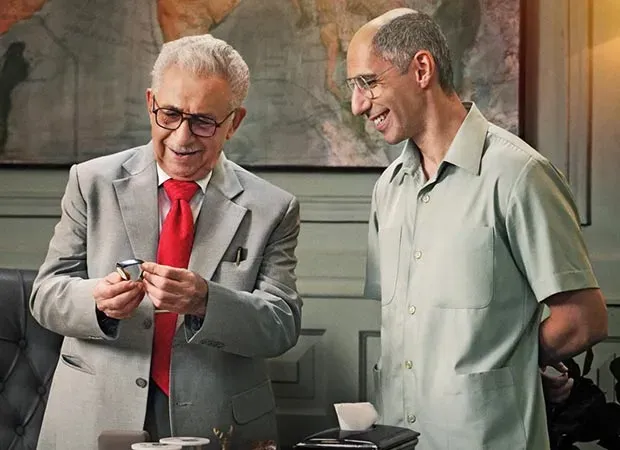
That's why people are calling me asking which Titan to buy. They're not buying a watch. They're buying the right to carry a story of belief forward.
The Patriotism That Doesn't Feel Like Patriotism
Here's what I want to be careful about: The series isn't patriotic in a jingoistic way. It doesn't wrap itself in flags or resort to chest-thumping rhetoric. Its patriotism is far subtler and more powerful - it's the patriotism of believing that your country is capable of excellence, and more than that, deserving of it. When Xerxes Desai says, in the series, that India doesn't need the world's permission to make great watches, we already have the talent, the vision, and the willingness to fail better than anyone, it lands not as nationalism, but as simple truth.
What This Means Going Forward
I think we're entering a new chapter in how Indian brands can communicate their stories. The success of "Made in India: A Titan Story" proves that there's a hunger for these narratives - not sanitized corporate histories, but genuine stories of struggle, failure, belief, and redemption. More brands should be watching this series, not to copy the format, but to understand the principle: Trust your audience with the truth. The real Titan story isn't prettier than what the series shows us. In many ways, it's messier, harder, more human. And that's precisely why it matters. The customers now calling me asking for a Titan watch aren't looking for the most technically advanced timepiece or the best specs compared to a Swiss alternative. They're looking for a connection to a story that proves something they needed to believe: that belief, paired with vision and relentless execution, can move mountains.
The real victory of "Made in India: A Titan Story" is not that it sold watches, though I'm sure it will. The victory is that it gave a generation permission to believe in something. In their own country. In their own people. On their own wrists.


