The Complete History Of Watchmaking At Van Cleef & Arpels
 6 min read

There is a peculiar irony sitting at the heart of Van Cleef & Arpels’ watchmaking story. Almost every watch brand of consequence has spent the last hundred years chasing precision - thinner movements, complicated calibers, better chronometry - simply, more mechanics per franc spent. Van Cleef & Arpels spent that same century building watches for which the story always comes first. The movement is invented afterward, in service of the story, however inconvenient that may be for the people who have to make it tick.
To understand how a company arrived at such an unfashionable proposition - poetry over precision, in an industry that has spent three centuries defining itself by the latter - you have to go back to a wedding in 1895, a shop that opened in 1906, and roughly one hundred and twenty years of a family learning, slowly and sometimes accidentally, what it was actually good at.
A Marriage at the Place Vendôme
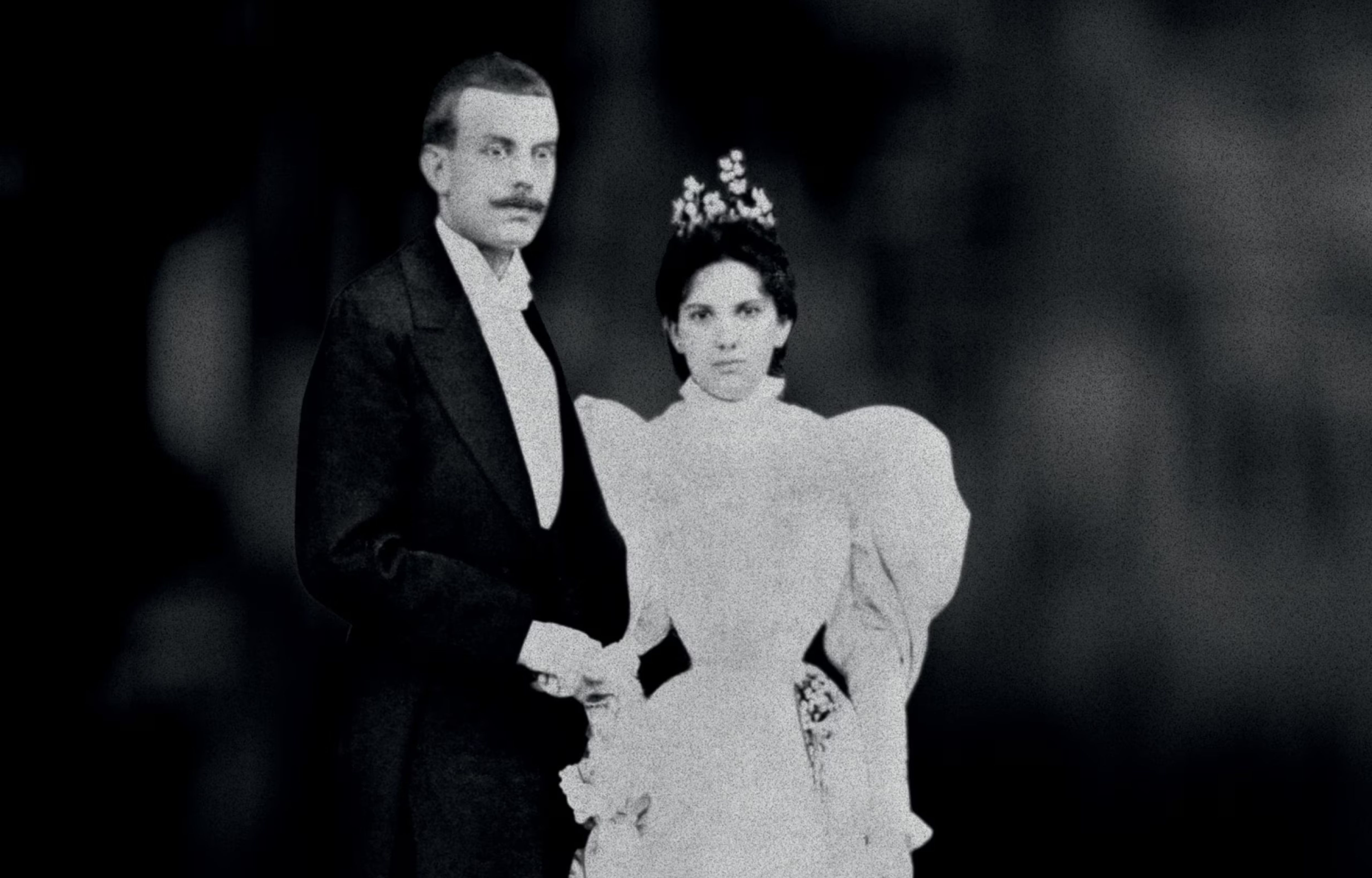
Van Cleef & Arpels was not founded so much as it was married into existence. In 1895 in Paris, Esther Arpels, known to everyone as Estelle, married Alfred Van Cleef. Both came from dynasties of stone and jewelry dealers: Estelle’s father, Salomon Arpels, cut precious stones in Alsace, Alfred’s family dealt in polished stones and jewelry. The union of the two families, rather than of two individuals, is really the founding event of the house, and it explains a structural detail that shaped everything that followed: Van Cleef & Arpels was never, in its DNA, a single genius’ atelier. It was a family firm, plural by design, with brothers-in-law and cousins rotating through its leadership for generations.
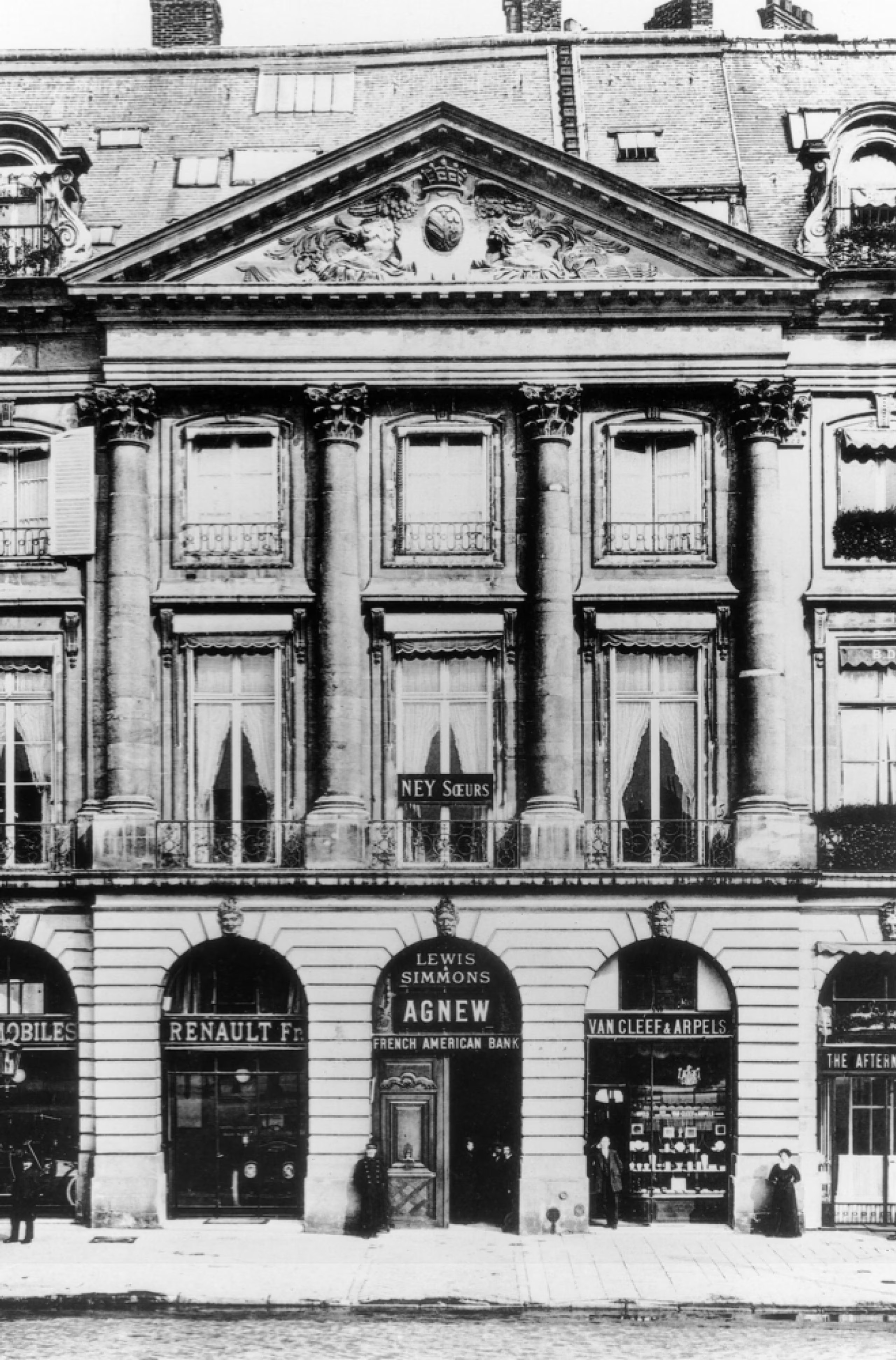
The company itself opened its doors in 1906, when Alfred Van Cleef partnered with his brother-in-law Charles Arpels (born Salomon) to open a boutique at 22 Place Vendôme - a location the Maison has never once vacated in the intervening 120 years, an almost unheard-of continuity for a luxury house of any kind. Two more Arpels brothers, Julien and Louis, joined the business in 1908 and 1912 respectively, cementing the “& Arpels” plural in the name and the governance of the house alike.
The Early Years: Watches in the Shadow of Jewelry
For its first three decades, Van Cleef & Arpels did not think of itself as a watchmaker in any meaningful technical sense. It bought movements, as virtually every jewelry house of the period did, from the great Swiss and French ébauche suppliers, and concentrated its own considerable talent on what surrounded the movement: the case, the dial, the way a watch could be worn.
That “way of being worn” turned out to be the house’s first genuine watchmaking innovation. In 1918, the châtelaine and lapel watch came into fashion at Van Cleef & Arpels - small platinum, onyx, and diamond timepieces pinned to a ribbon, at a moment when the wristwatch itself was still a novelty.
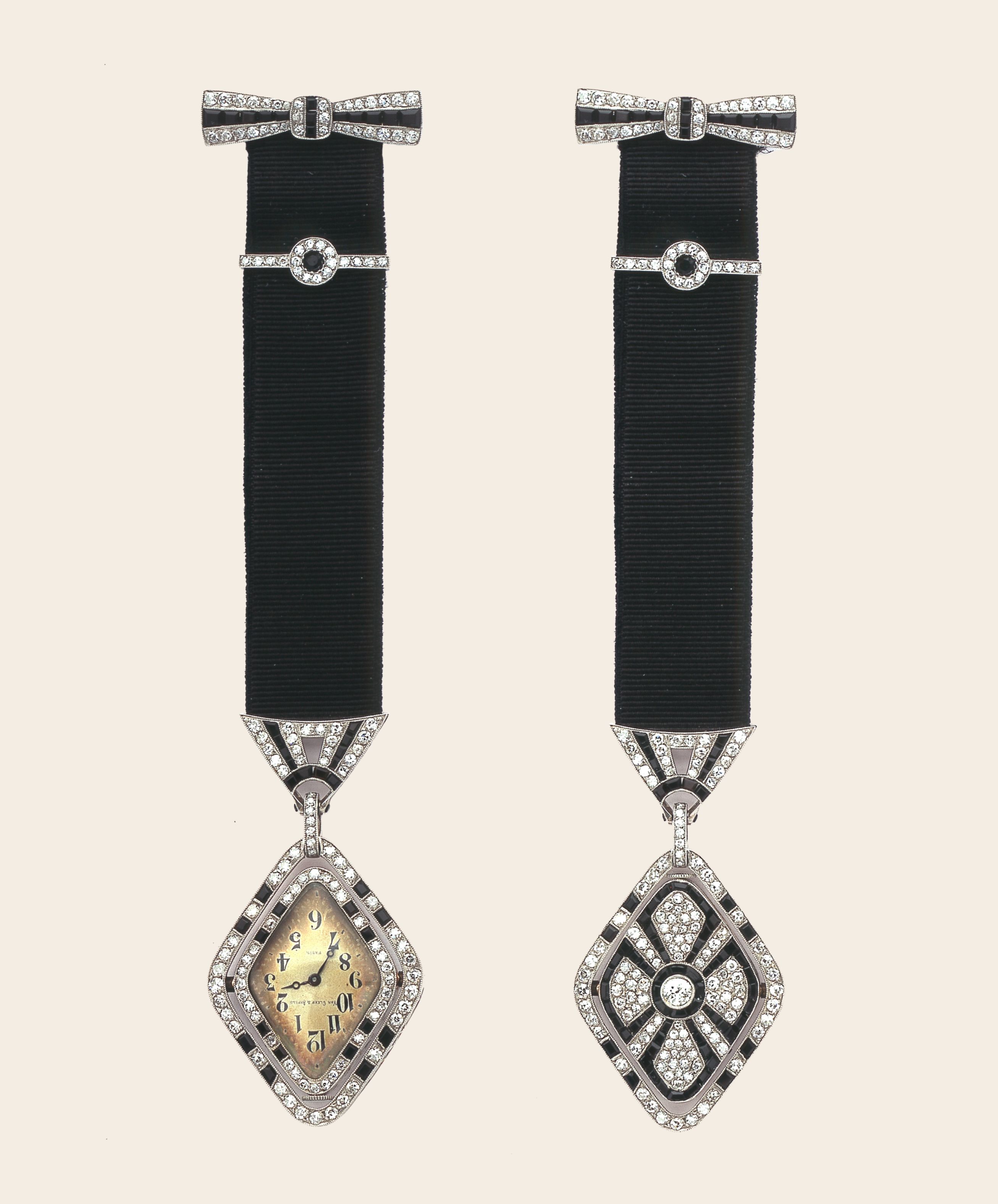
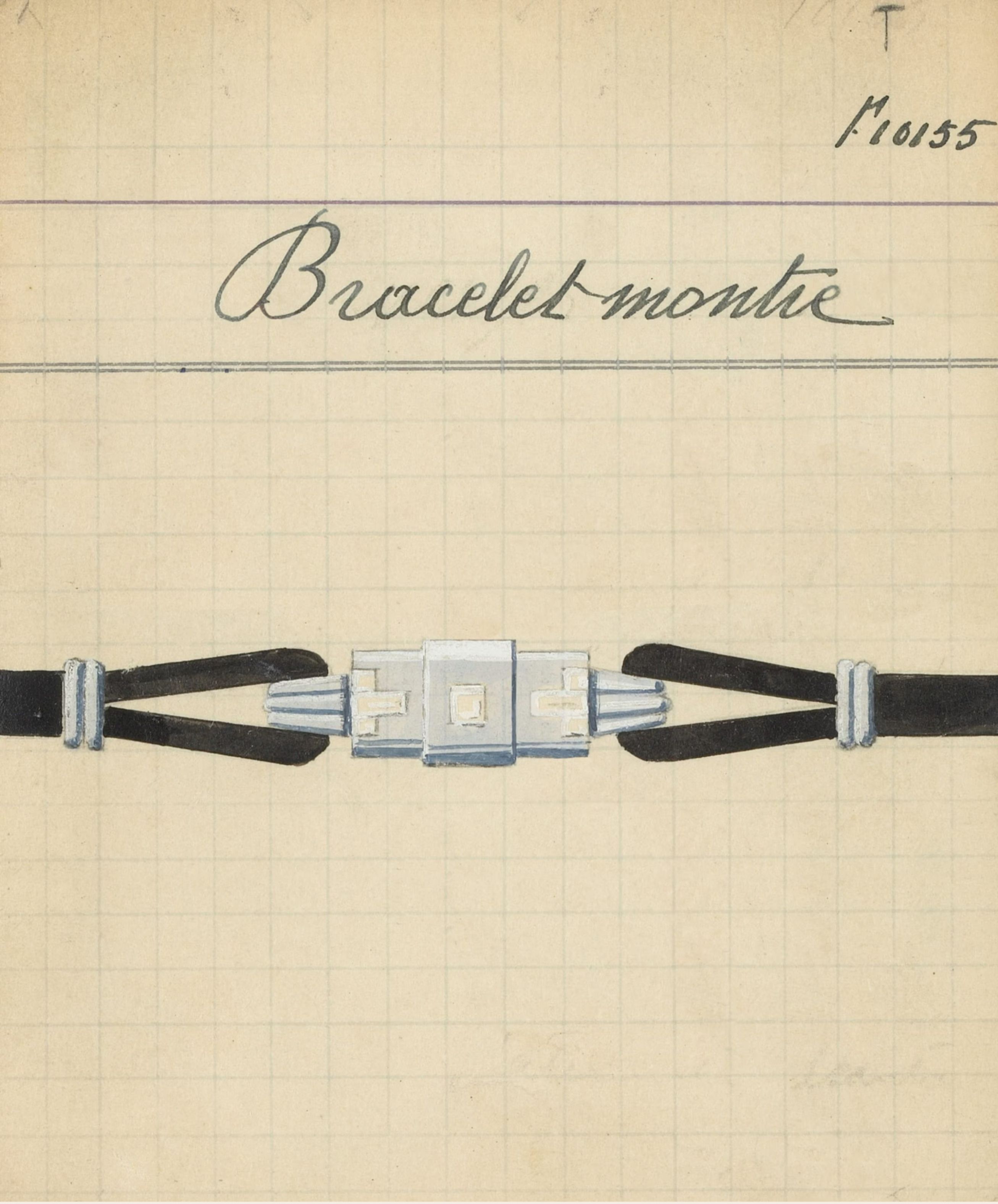
The 1920s brought the geometric rigor of Art Deco, and with it, the beginnings of a genuinely important technical signature: the so-called “secret watch.” It was an idea entirely consistent with the house’s guiding logic ever since: the watch as a private pleasure rather than a public announcement, told only to those invited to look.
Renée Puissant, Modernism, and the Birth of the Cadenas
If there is a single decade in which Van Cleef & Arpels found its creative voice, it is the 1930s, and if there is a single person responsible, it is Renée Puissant - daughter of Estelle Arpels and Alfred Van Cleef, and the house’s artistic director from 1926 until her passing away in 1942. Working alongside designer René-Sim Lacaze, Puissant steered the Maison’s aesthetic through the tail end of Art Deco and into the leaner, more architectural language of early modernism.
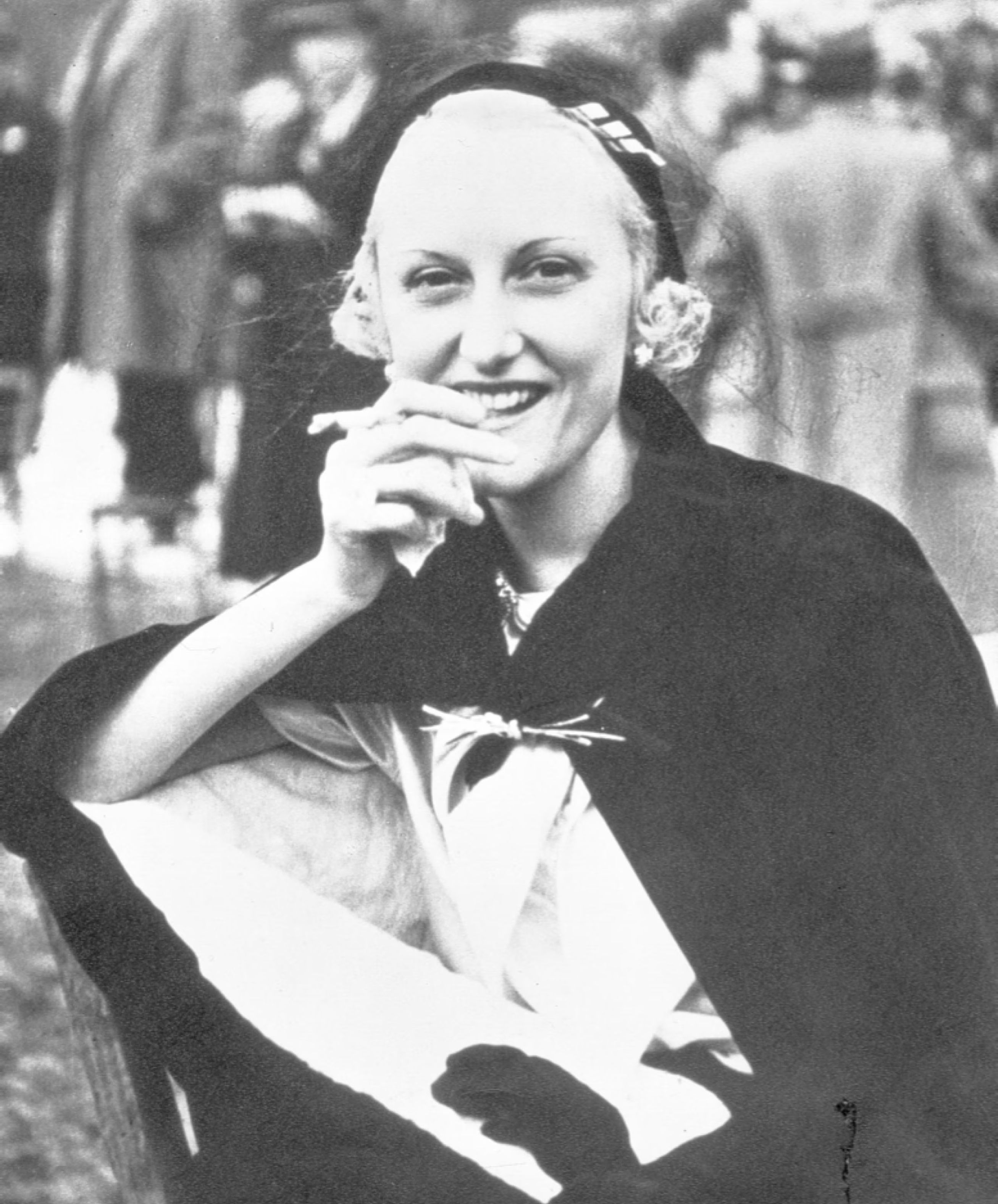
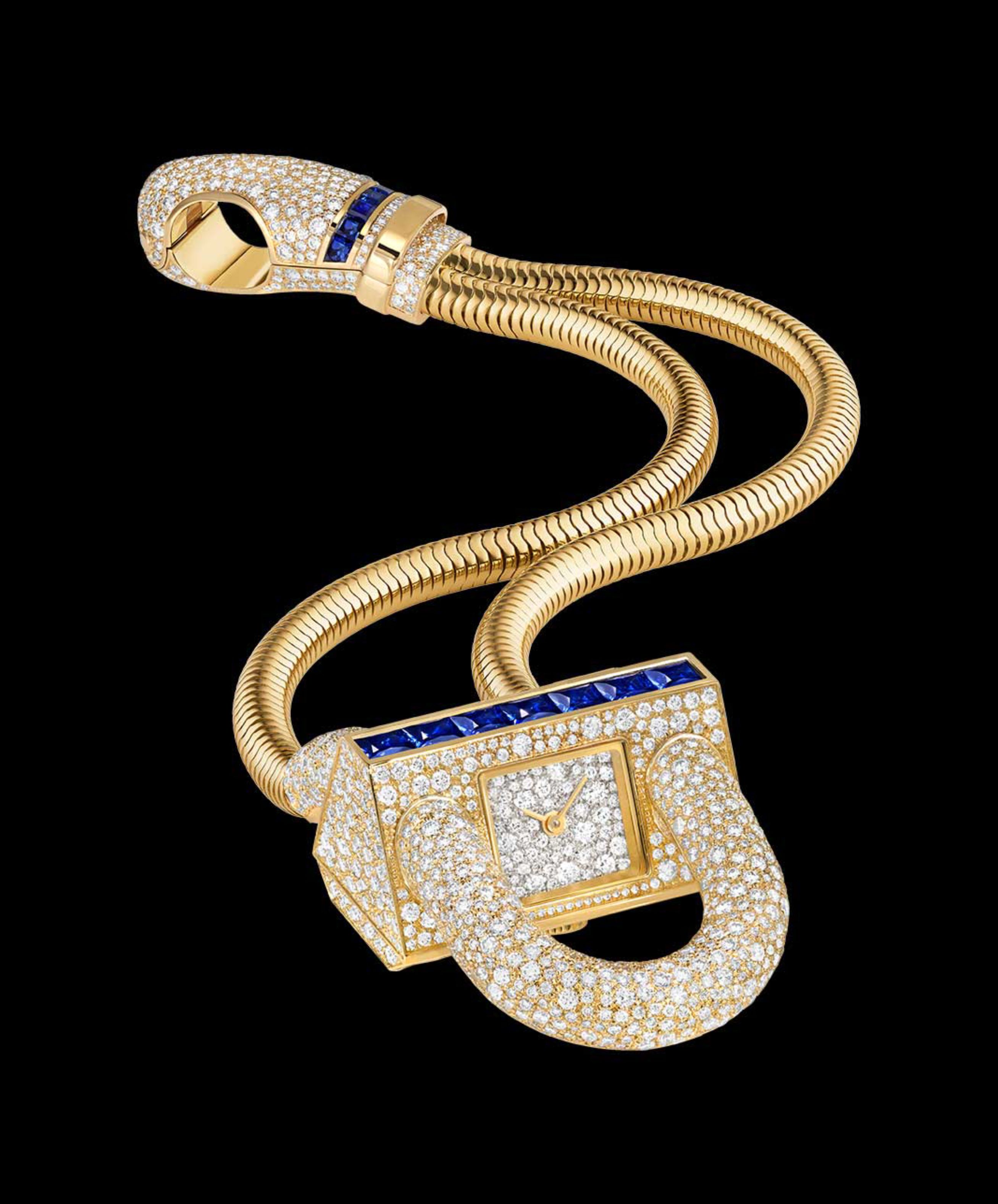
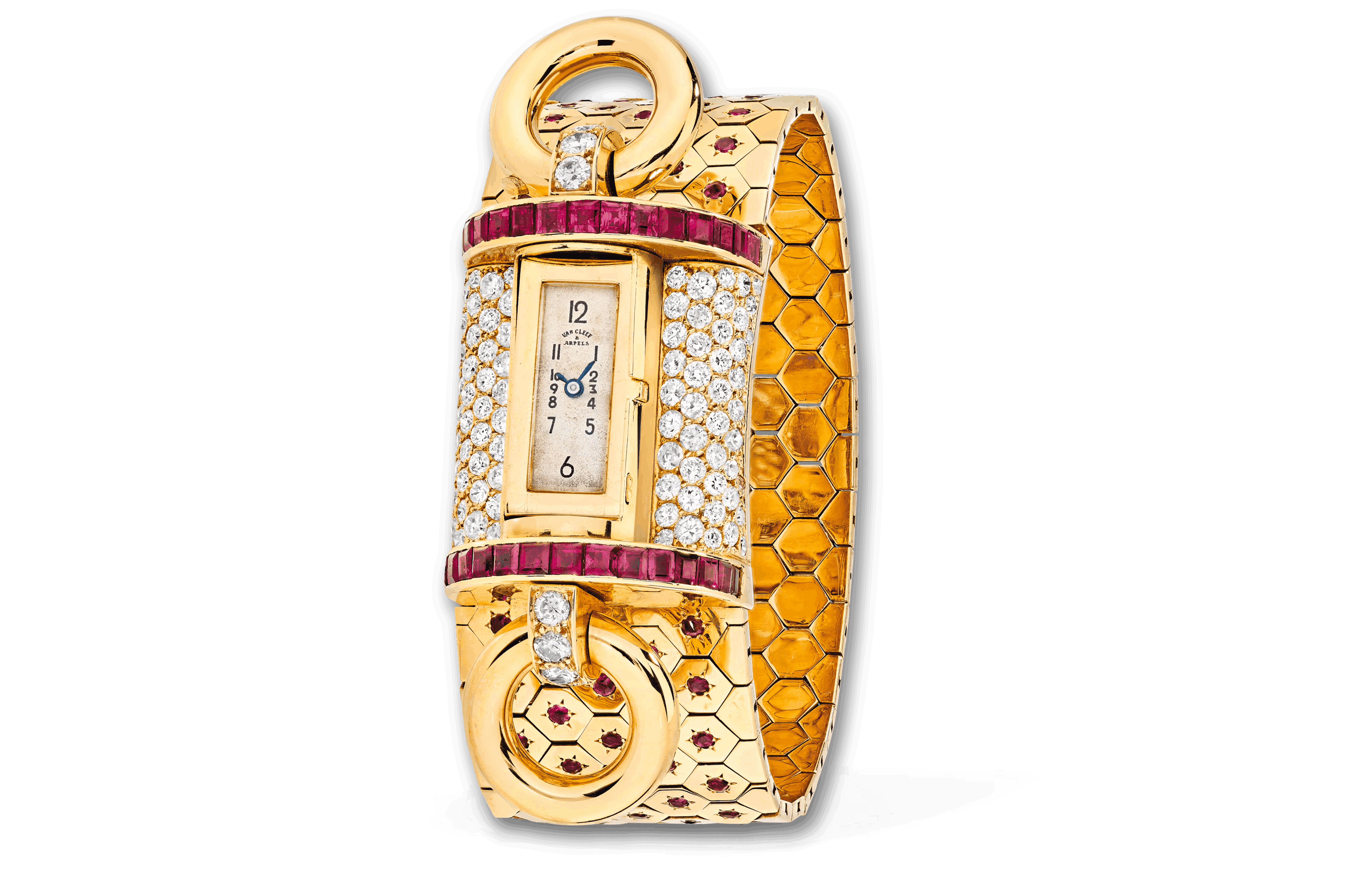
It was Puissant who, in 1935, created the Cadenas - a padlock-shaped watch whose dial tilts up from a rectangular case on a hinge, worn on a chain-link bracelet closed by a discreet clasp mechanism. The 1930s also produced the Ludo bracelet (1934) - a supple, articulated gold band that would later be adapted into the Ludo Tourniquet Secret watch of 1937, one of the house’s defining secret-watch designs, and one still referenced today in contemporary pieces like the Ludo Secret. Van Cleef & Arpels’ engineers also developed the Mystery Set (Serti Mystérieux) around this period, a stone-setting technique that conceals all visible metal claws and channels beneath a lattice of precisely grooved gemstones - not, strictly, a watchmaking invention, but one that would go on to appear on dials and cases for the rest of the house’s history, and one of the clearest demonstrations that Van Cleef & Arpels’ watchmaking has never been separable from its jewelry-making.
Pierre Arpels and the Quiet Watch
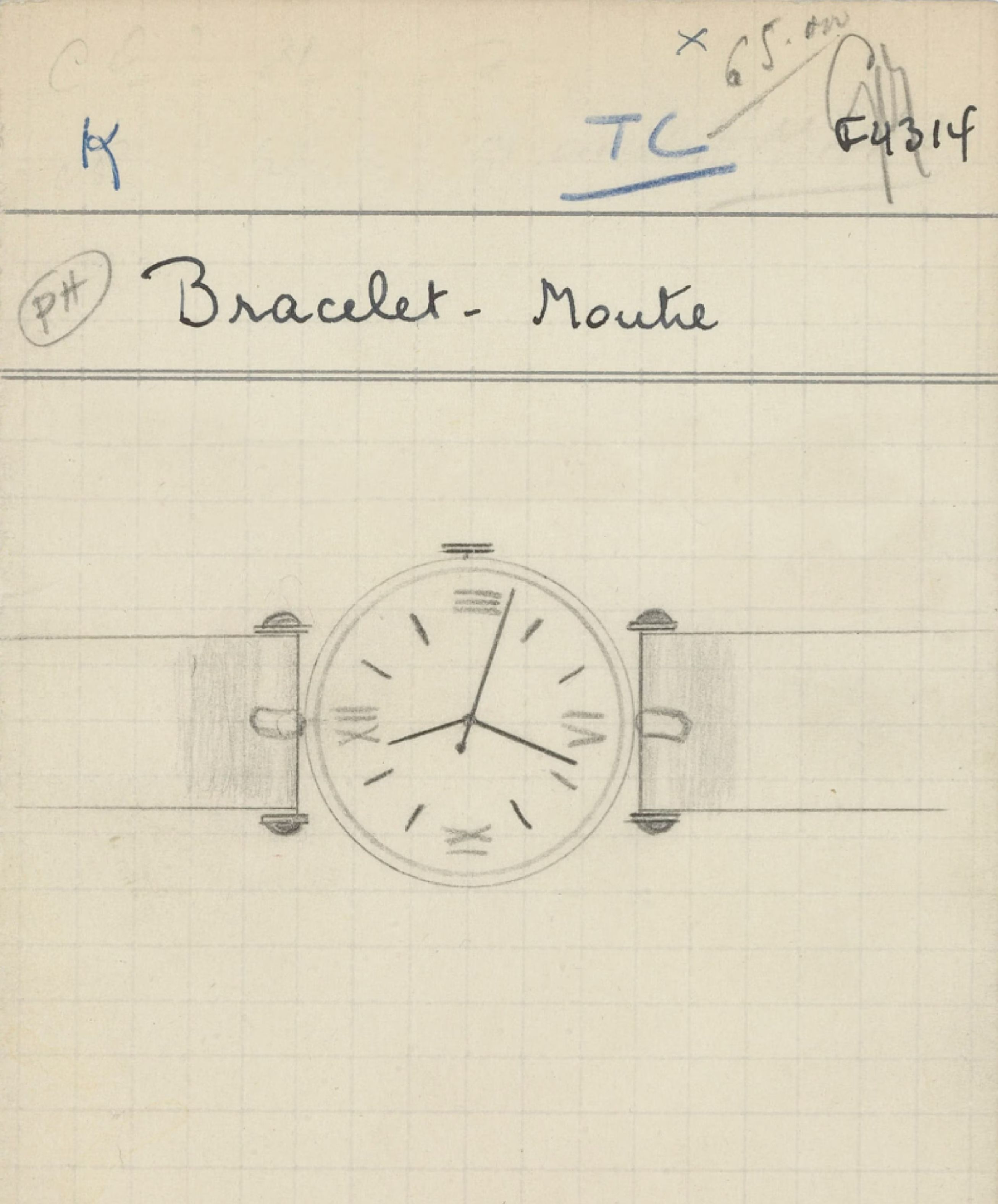
The house’s most enduring men’s watch design is named for a man rather than an era: Pierre Arpels, born in 1919, a grandson of the founding generation who came to define the Maison’s postwar identity in Paris and eventually gave his name to its flagship gentlemen’s line. In 1949, Pierre Arpels designed a wristwatch for his own use with a distinctive center-lug case construction: the same basic strap-attachment method Louis Cartier had patented in 1934 and only rarely used, and whose patent had expired that very year. Arpels’s private watch drew enough admiring attention among his circle that Van Cleef & Arpels began making versions of it for select clients, and it eventually entered the regular collection as the Pierre Arpels line, still produced today with the same understated, satin-finished T-bar lugs as a quiet nod to its origin.

Through the middle decades of the twentieth century, Van Cleef & Arpels’ watchmaking output remained modest in scale and largely conventional in mechanism, even as its jewelry design continued to break new ground. Watches, in this period, were an accessory to the jewelry business rather than a discipline in their own right - competently made, occasionally inventive, but not yet the site of the Maison’s most ambitious creative energy.
Richemont, Reinvention, and a Watchmaking Philosophy Is Born
Everything changed with a change of ownership. Richemont acquired a controlling 60 percent stake in Van Cleef & Arpels in 1999, increased that to 80 percent in 2001, and took full ownership in 2003 - bringing the house, for the first time, under the same corporate roof as serious in-house watch manufactures, and with them, the capital, expertise, and appetite to build genuine complications rather than simply case outside movements.
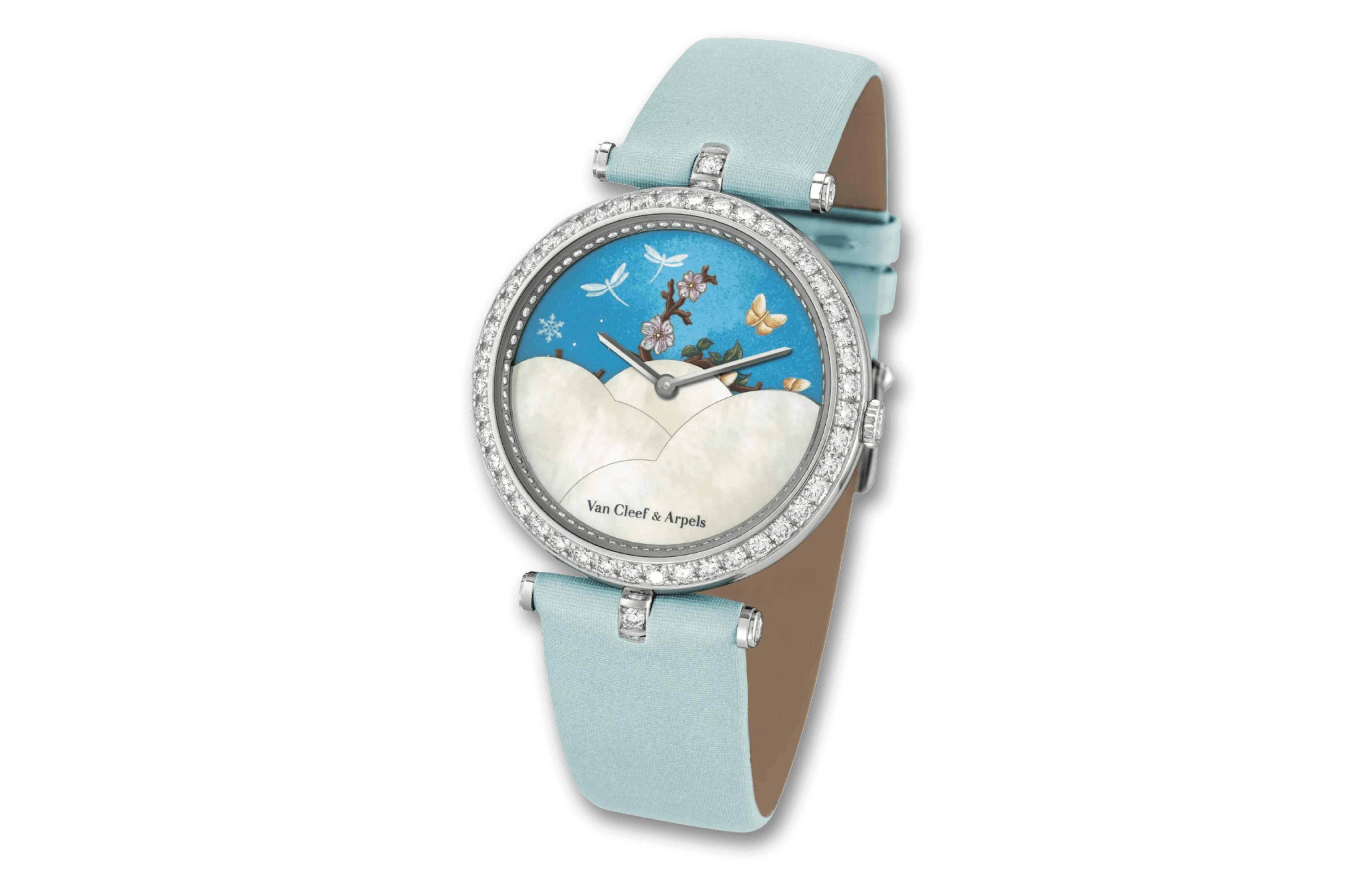
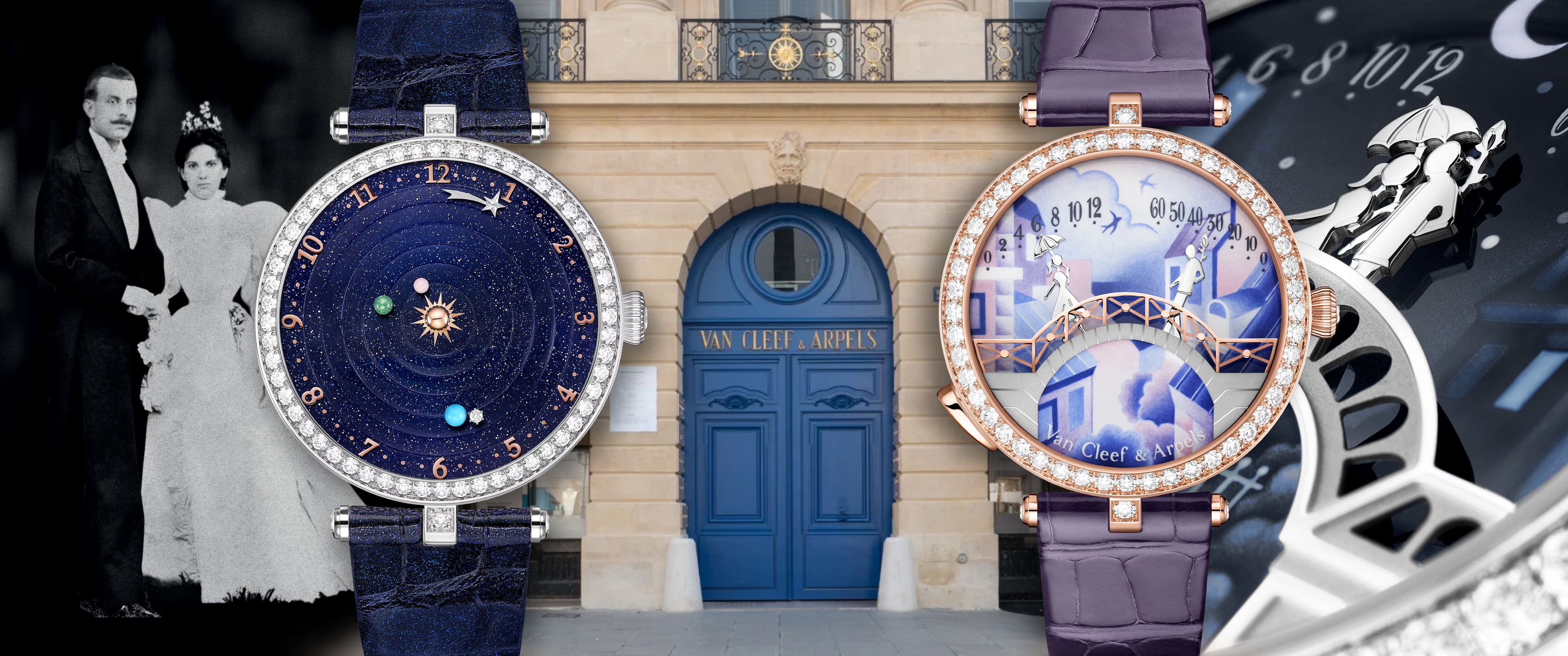
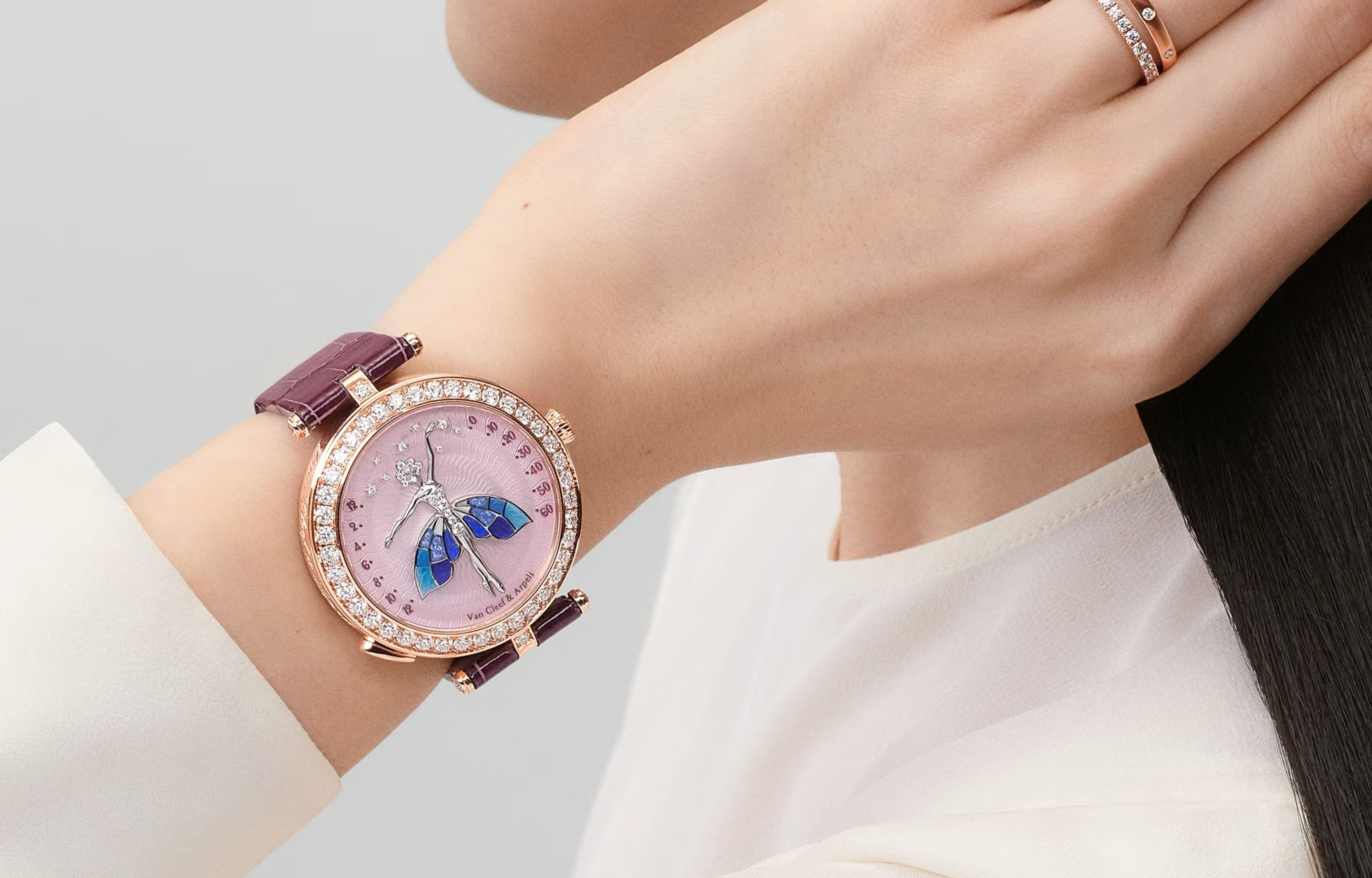
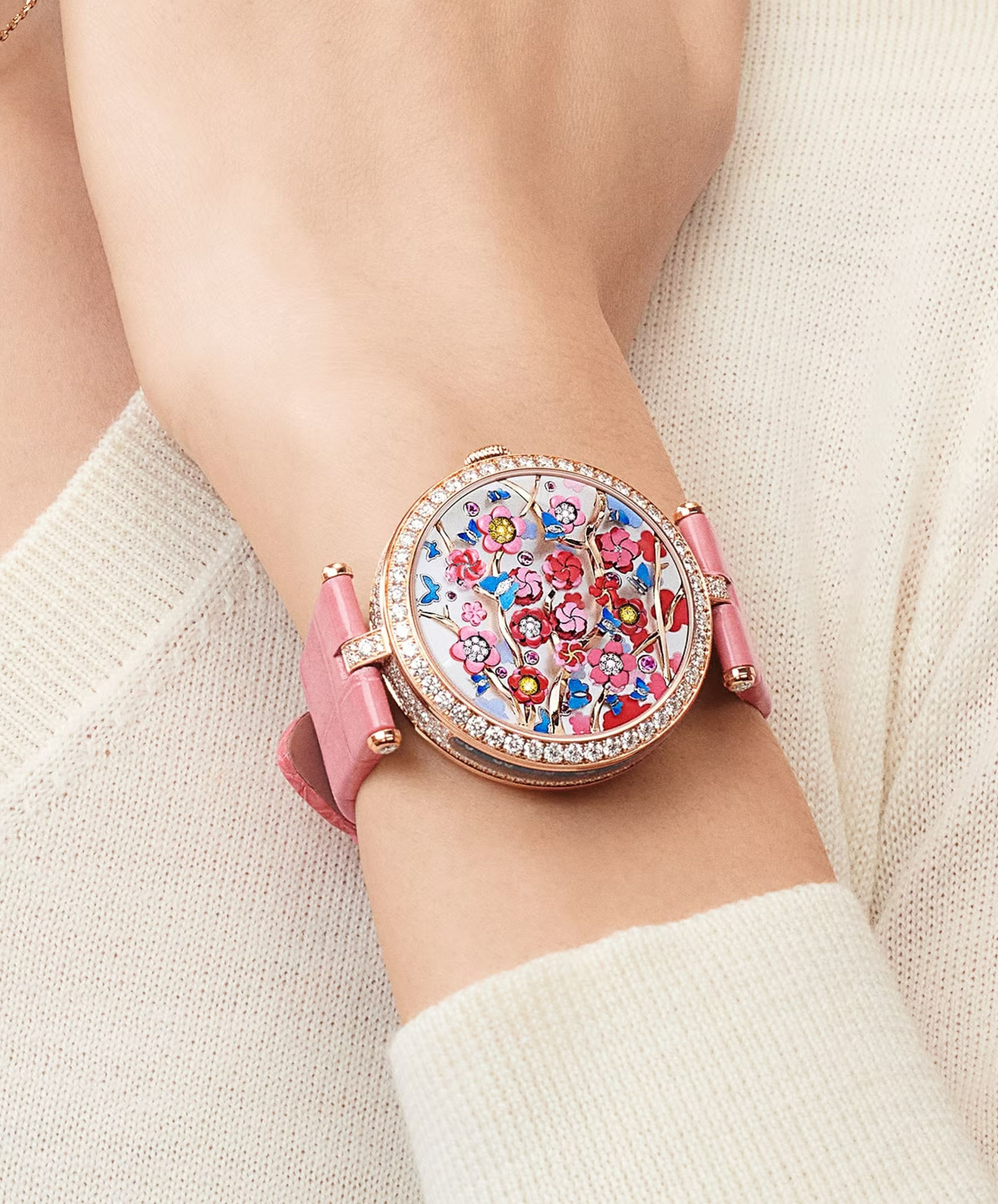
The catalytic moment arrived in 2006, the Maison’s centenary year. To mark one hundred years since the doors opened at 22 Place Vendôme, Van Cleef & Arpels created the Lady Arpels Centenaire. That same year, the house formalized a unique instinct into a named collection: Complications Poétiques, or Poetic Complications. Nearly every major Van Cleef & Arpels watch of the last two decades - the Pont des Amoureux, the Midnight Planétarium, the Lady Arpels Heures Florales, the Jour Nuit family - descends directly from this 2006 proposition.

What Excites Us for the Future?
If Van Cleef & Arpels’ Watches and Wonders 2026 presentation is any guide - staged under the banner “Poetry of the Heavens” and built around celestial complications, extraordinary métiers d’art, and new chapters in its recurring love stories, the house shows no sign of narrowing its ambitions.
What is genuinely exciting about Van Cleef & Arpels’ watchmaking future is not any single forthcoming reference, but the durability of the underlying method: a Maison that begins every project with a story rather than a specification, and that has realized some of the most technically accomplished and commercially validated complicated watchmaking in Switzerland. In an industry perpetually tempted to measure its own progress in very standard attributes, Van Cleef & Arpels has built its entire modern watchmaking identity on a very romantic philosophy. A century after Alfred Van Cleef and Estelle Arpels opened a shop at 22 Place Vendôme, that philosophy is still, remarkably, paying off.


