 4 min read


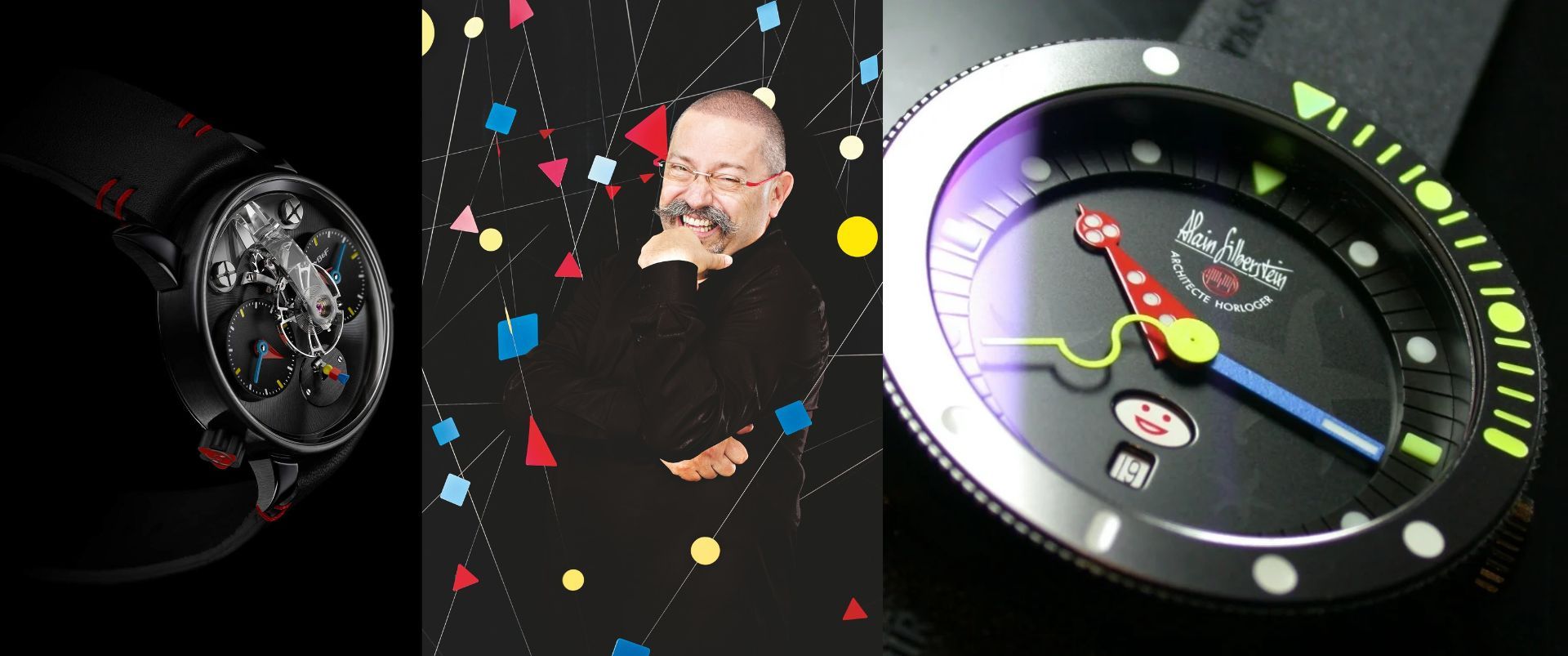
The world of independent watchmaking has lost one of its most distinctive creative minds. French watch designer Alain Silberstein, who passed away on 25 November 2026 at the age of 76, leaves behind a legacy that is as colourful and unconventional as the watches he created. An architect by training, an artist at heart and a watchmaker by instinct, Silberstein spent more than three decades challenging the established language of horology. At a time when traditional watchmaking favoured restraint, he introduced primary colours, geometric shapes and a sense of playfulness that made his creations instantly recognisable. His passing comes at a particularly poignant moment, as he was preparing the return of his eponymous brand with an entirely new collection.
From architecture to watchmaking
Born in Paris in 1950, Silberstein initially trained in applied and graphic arts before pursuing a career in interior architecture. For nearly 15 years, he and his wife Sylvie ran an architecture and design practice, working on commercial interiors, hotels and restaurants. Their move to Besançon, a French city with a rich watchmaking heritage, brought him closer to the world of horology.

Inspired by the arrival of Swatch in the 1980s, Silberstein began experimenting with watch design, initially creating quartz watches. However, his fascination with mechanical movements soon took over. In 1987, he presented three prototypes at Baselworld, marking the beginning of a remarkable journey in independent watchmaking.
A design language unlike any other
Deeply influenced by the Bauhaus movement and artists such as Wassily Kandinsky, Joan Miró and Pablo Picasso, Silberstein developed a visual language that was entirely his own. His philosophy was simple: a watch should be functional, but it should also evoke an emotion.
His signature primary colours became his calling card. A red triangular hour hand, a blue minute hand and a yellow serpentine seconds hand transformed the conventional watch dial into something resembling a miniature work of art. His logo, featuring a red square, blue circle and yellow triangle, reflected the same fascination with colour and geometry.

The Krono Bauhaus established his reputation, followed by creations such as the Krono Bauhaus 2 and the Cyclope, which explored unconventional ways of displaying time. Yet, there was considerably more to Silberstein than playful aesthetics. His technical ambitions extended to complicated mechanical movements, tourbillons, perpetual calendars and innovative case materials. The 1997 Krono Tourbillon, limited to just 10 pieces, combined a tourbillon with a chronograph and demonstrated that his imagination extended well beyond the dial.
A legacy beyond his own brand
In 1990, Silberstein established his eponymous watchmaking company in Besançon. His creations developed a particularly devoted following in Japan and among collectors who appreciated watches that refused to conform. However, financial difficulties eventually led to the company's closure in 2012.


Rather than stepping away from watchmaking, Silberstein continued to collaborate with some of the industry's most interesting names. His partnership with MB&F resulted in the HM2.2 Black Box in 2009, followed by a colourful interpretation of the Legacy Machine 1 in 2016. He also worked with Romain Jerome, Bell & Ross, Ressence and other creative watchmaking houses.
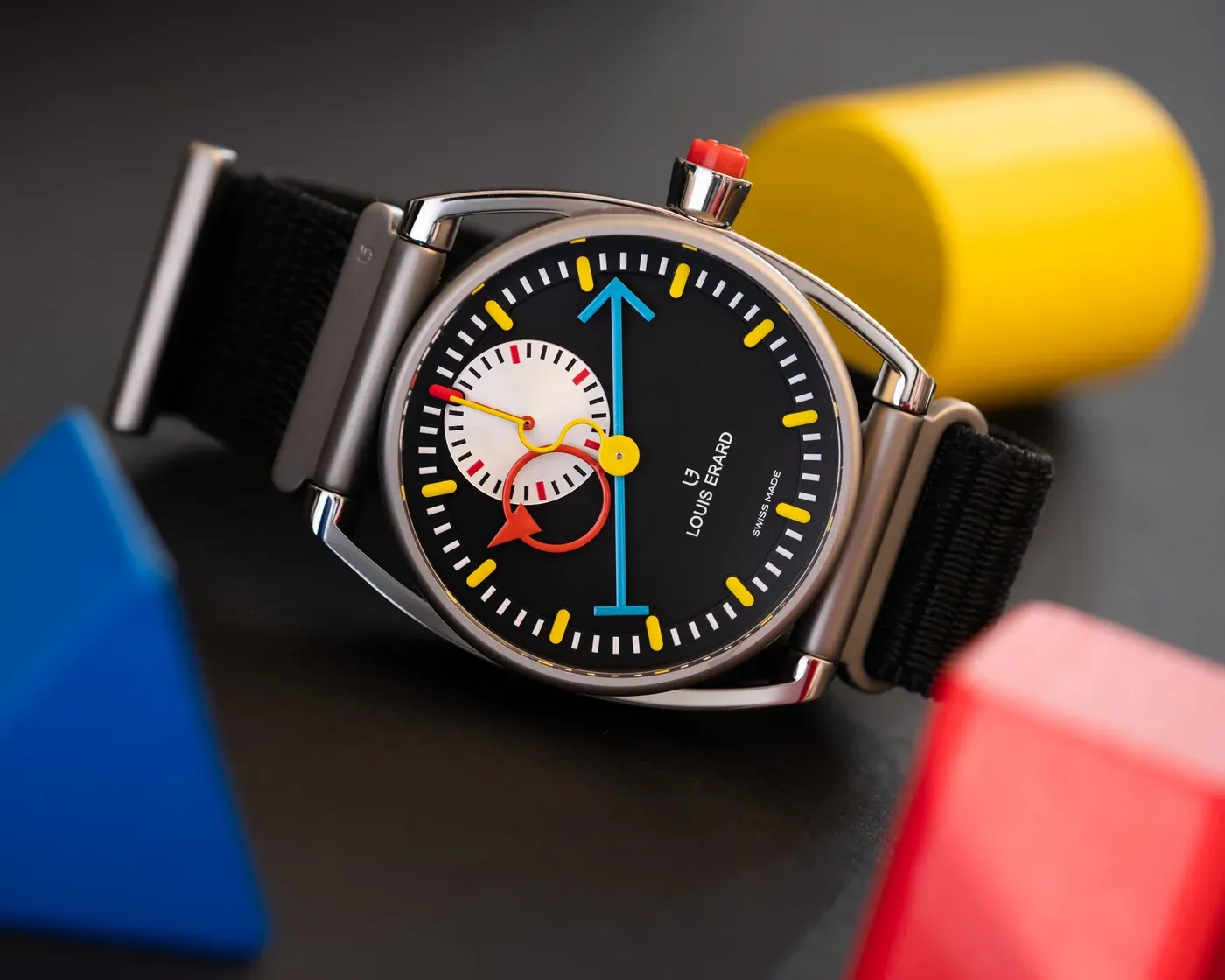
His collaboration with Louis Erard, which began in 2019, introduced his distinctive design language to a wider audience. The regulator watches, with their colourful hands and unconventional displays, became particularly popular among collectors. Subsequent projects included Le Triptyque and Le Diptyque, further demonstrating his ability to bring his personality to different watchmaking platforms.
An unfinished final chapter
Perhaps the most poignant aspect of Silberstein's passing is that he was preparing to return to his own brand. The designer had been working on an ambitious new collection, reportedly developing seven proprietary movements for a relaunch planned from 2027. The first watches were intended to combine everyday practicality with the creativity and humour that had defined his career.

With his passing, the future of this project remains uncertain. What is not uncertain, however, is the impact he has had on the industry. Alain Silberstein reminded us that watchmaking need not always be serious, restrained or bound by tradition. He made mechanical watches that celebrated individuality, challenged convention and, above all, brought joy to the wrist. His colours may have been primary, but his contribution to independent watchmaking was anything but ordinary. And while the man may be gone, his unmistakable design language will continue to tick on.
Alain Silberstein was a French watch designer and independent watchmaker known for combining Bauhaus-inspired design, geometric shapes and bold primary colours. His distinctive red, blue and yellow watch hands made his creations instantly recognisable.
Some of Alain Silberstein's best-known creations include the Krono Bauhaus, Krono Bauhaus 2, Cyclope and Krono Tourbillon. He also collaborated with MB&F and Louis Erard on several limited-edition watches.
Silberstein brought together artistic expression and mechanical watchmaking, using colour, geometry and unconventional displays to challenge traditional watch design. His collaborations with brands such as MB&F and Louis Erard further established his influence on contemporary independent horology.