The Art Of The Lug: The Smallest Detail That Can Make Or Break A Watch
 7 min read


When discussing what makes a great watch, the conversation invariably gravitates towards the movement, complications, dial, case material and finishing. Yet, tucked away at either end of the case are four small components that rarely receive the attention they deserve: the lugs. Often overlooked, these seemingly insignificant extensions play a surprisingly important role in determining how a watch looks, feels and sits on the wrist. In fact, two watches with identical case diameters can wear remarkably differently simply because of their lug architecture.
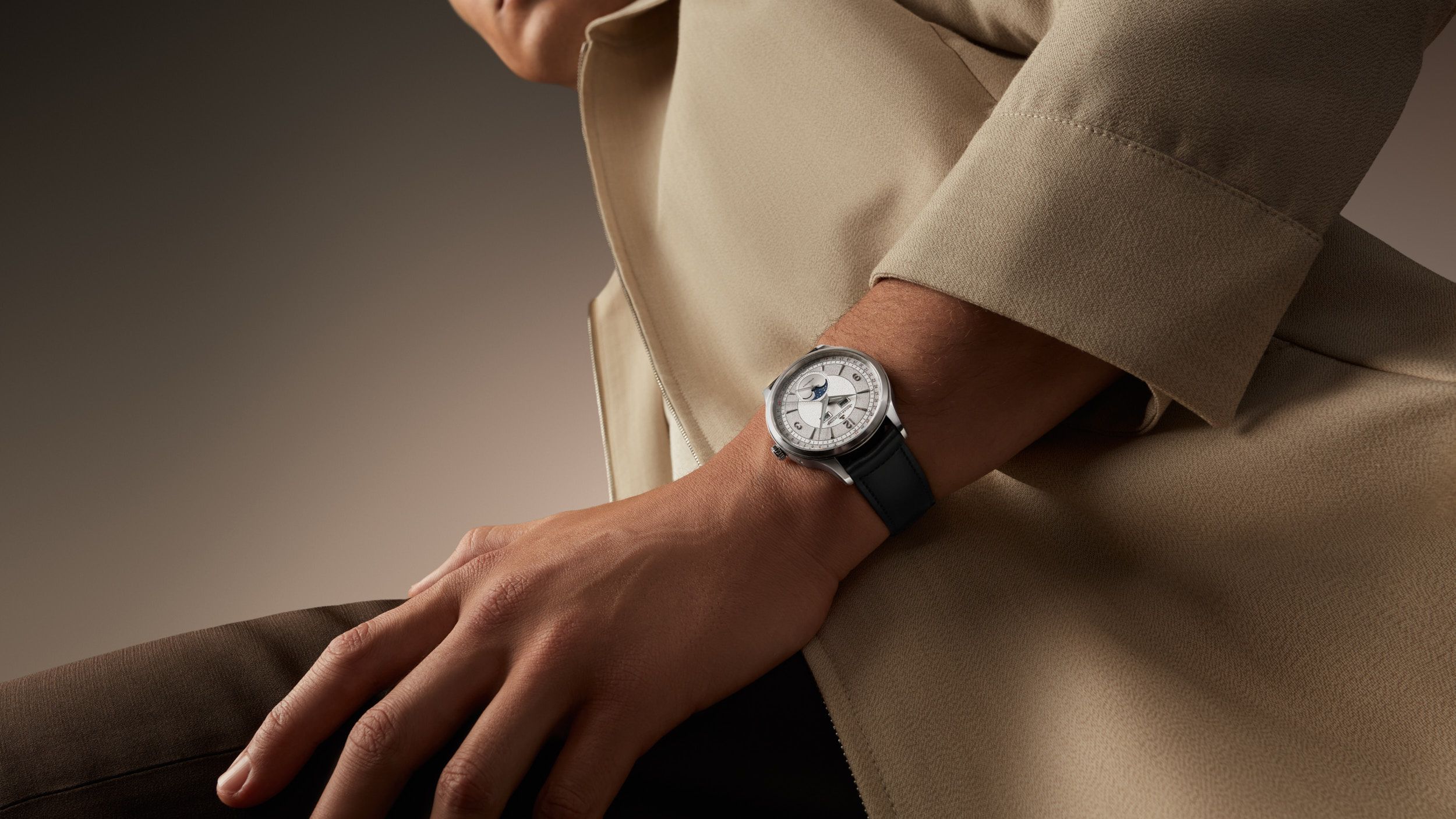
Think of lugs as the bridge between a watch and its wearer. They secure the strap or bracelet to the case, but their contribution goes well beyond functionality. Their length, curvature, width, construction and finishing influence everything from wrist comfort to the overall personality of a timepiece. Some are deliberately understated, while others are so sculptural that they become the defining feature of the watch.
From battlefield necessity to design signature
The story of the lug begins with the transition from pocket watches to wristwatches in the early 20th century. During World War I, soldiers needed a practical way to read the time without reaching into their pockets. The solution was to attach leather straps to pocket watches, using small wire loops soldered onto the cases. These rudimentary attachments were the earliest versions of what we recognise as wire lugs today.
As wristwatches gained popularity during the 1920s and 1930s, lugs evolved from functional attachments into carefully considered design elements. The Art Deco period favoured elongated, elegant extensions, while military and tool watches adopted shorter, sturdier constructions. By the middle of the century, lug design had become an important part of a watchmaker's visual vocabulary.

Another measurement entered the conversation: lug-to-lug distance, which refers to the length between the outermost tips of the two opposing lugs. It is arguably just as important as case diameter when determining how a watch wears. A 40mm watch with particularly long lugs can occupy as much wrist space as a considerably larger timepiece, while compact, downward-curving lugs can make a larger case feel surprisingly manageable.
The many faces of lug design
Not all lugs are created equal. Some are milled directly from the case, forming one continuous structure, while others are separately manufactured and soldered or welded onto the case. The latter construction is particularly interesting in traditional and independent watchmaking, where lugs can become expressive, sculptural components rather than simple extensions of the case.
Straight lugs: The beauty of restraint
Straight lugs are perhaps the most familiar configuration. Extending directly from the case with minimal curvature, they offer a clean, uncomplicated aesthetic. Their appeal lies in proportion rather than ornamentation. Nomos, particularly with its Tangente collection, demonstrates how beautifully this minimalist approach can work. The slender, architectural extensions complement the watch's Bauhaus-inspired design without demanding attention.
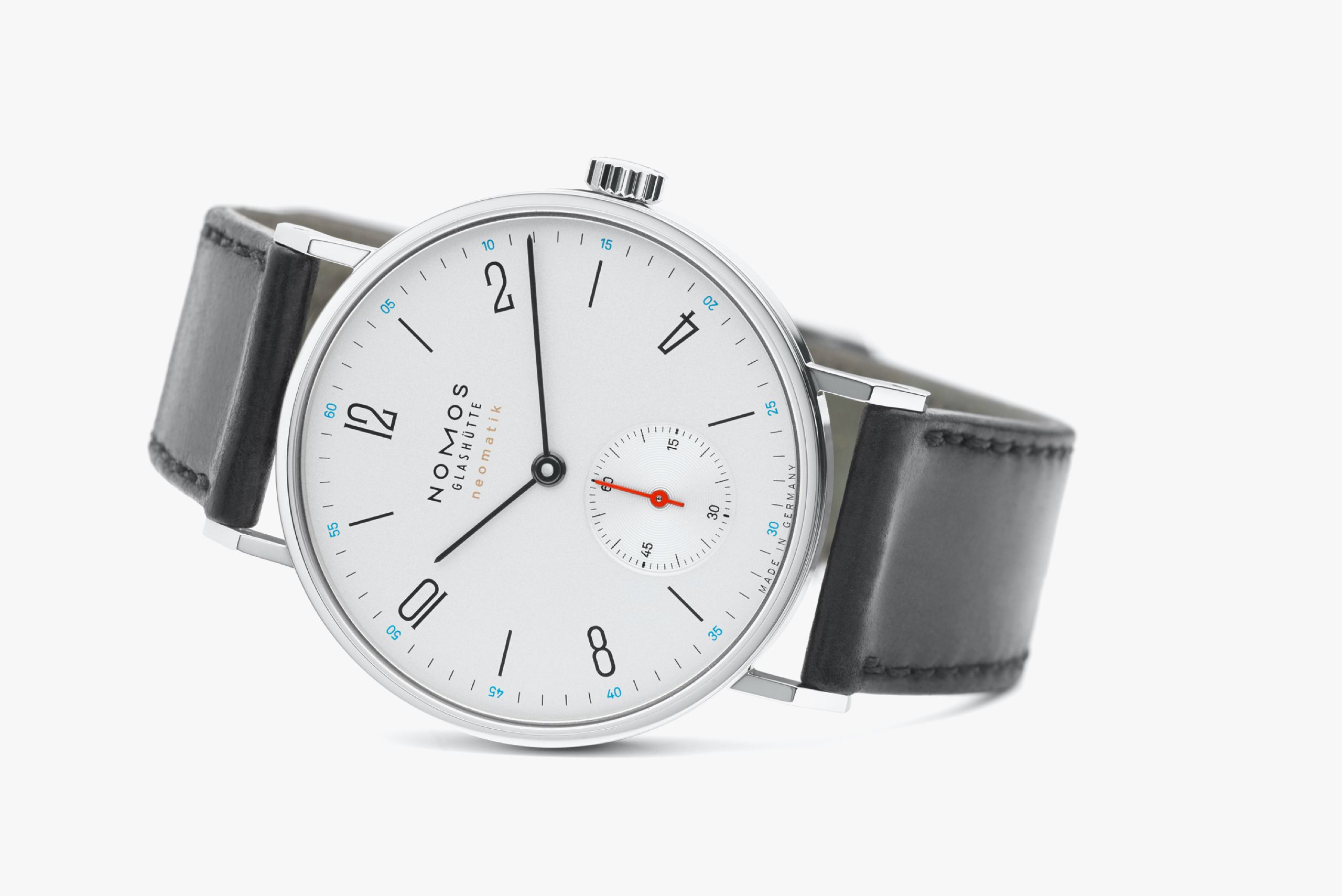
However, simplicity requires precision. Excessively long straight lugs can cause a watch to overhang the wrist, while overly short ones can make the case appear compressed. Their angle and downward inclination are equally important.
Stepped and flared lugs: Architecture on the wrist
For those who appreciate a little drama, stepped and flared lugs introduce depth and dimension. Stepped lugs feature distinct levels or tiers, creating interesting plays of light and shadow. Flared lugs, meanwhile, widen as they extend away from the case, increasing the watch's visual presence without necessarily increasing its diameter.
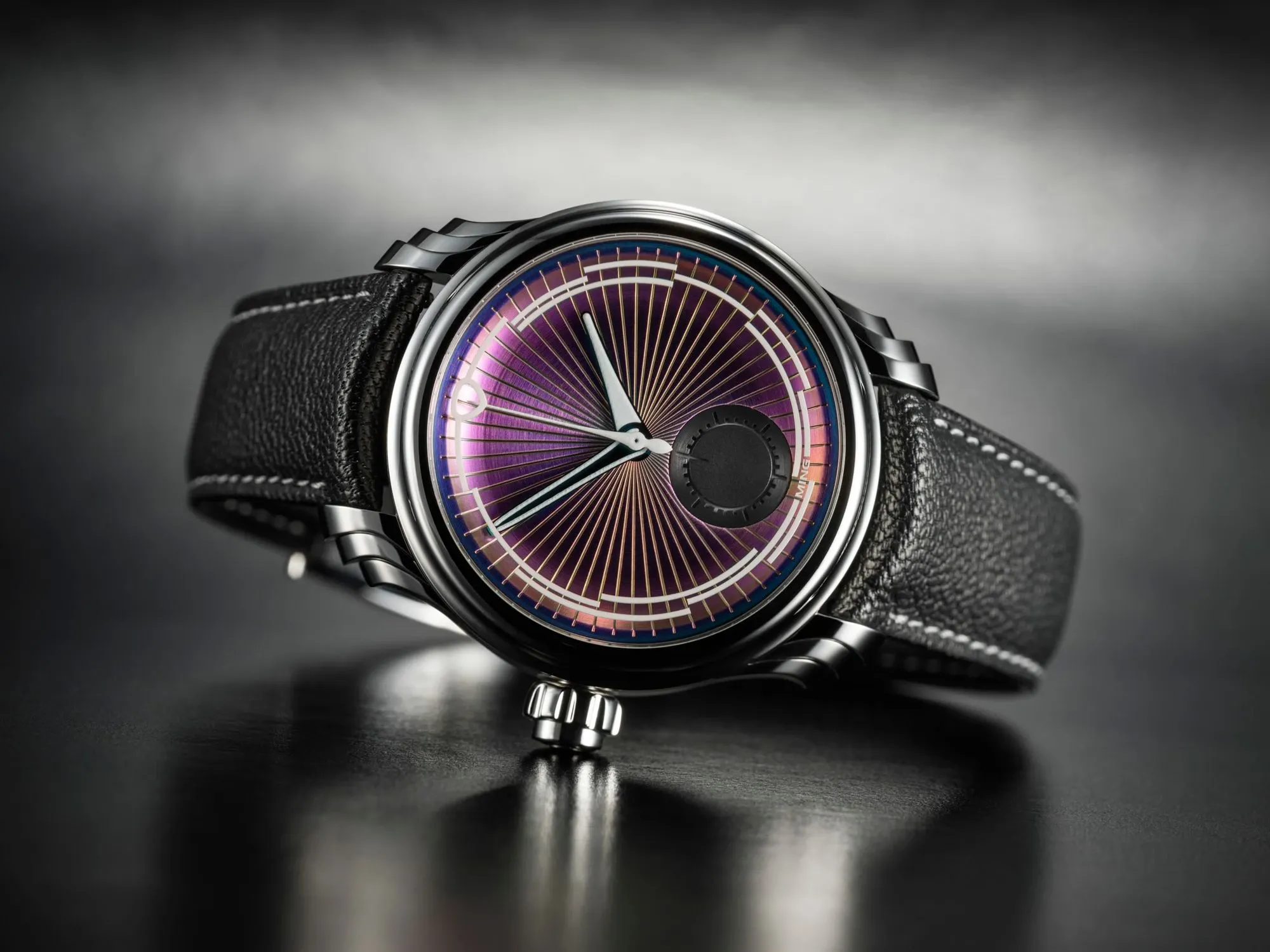
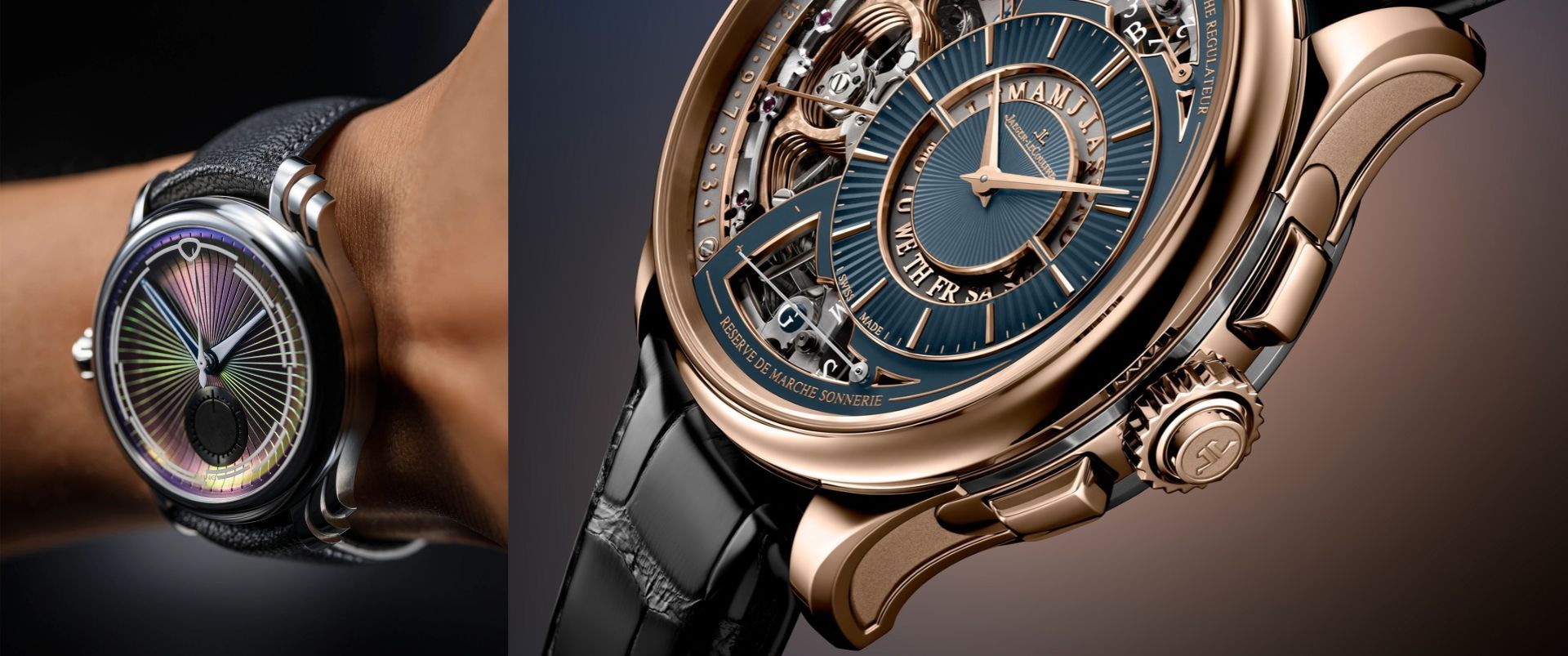
The Vacheron Constantin Malte Perpetual Calendar Chronograph, reference 47112, is a particularly striking example of stepped architecture. Introduced in platinum in 2000, its distinctive, separately constructed lugs are central to the watch's identity. Before the Malte became closely associated with tonneau-shaped cases, its sculptural lug design helped establish its character. Independent watchmaker Ming offers a more contemporary interpretation in the 57.04 Phoenix and Iris, where stepped and flared forms combine to create a distinctive, almost floating appearance.
Cow horn and teardrop lugs: Where watchmaking becomes sculpture
Two of the most elegant lug designs are the cornes de vache, or cow horn, and teardrop configurations. Although sometimes grouped together, they have distinctly different personalities. Cow horn lugs are elongated and curved, tapering towards defined points that create a sense of movement away from the case.
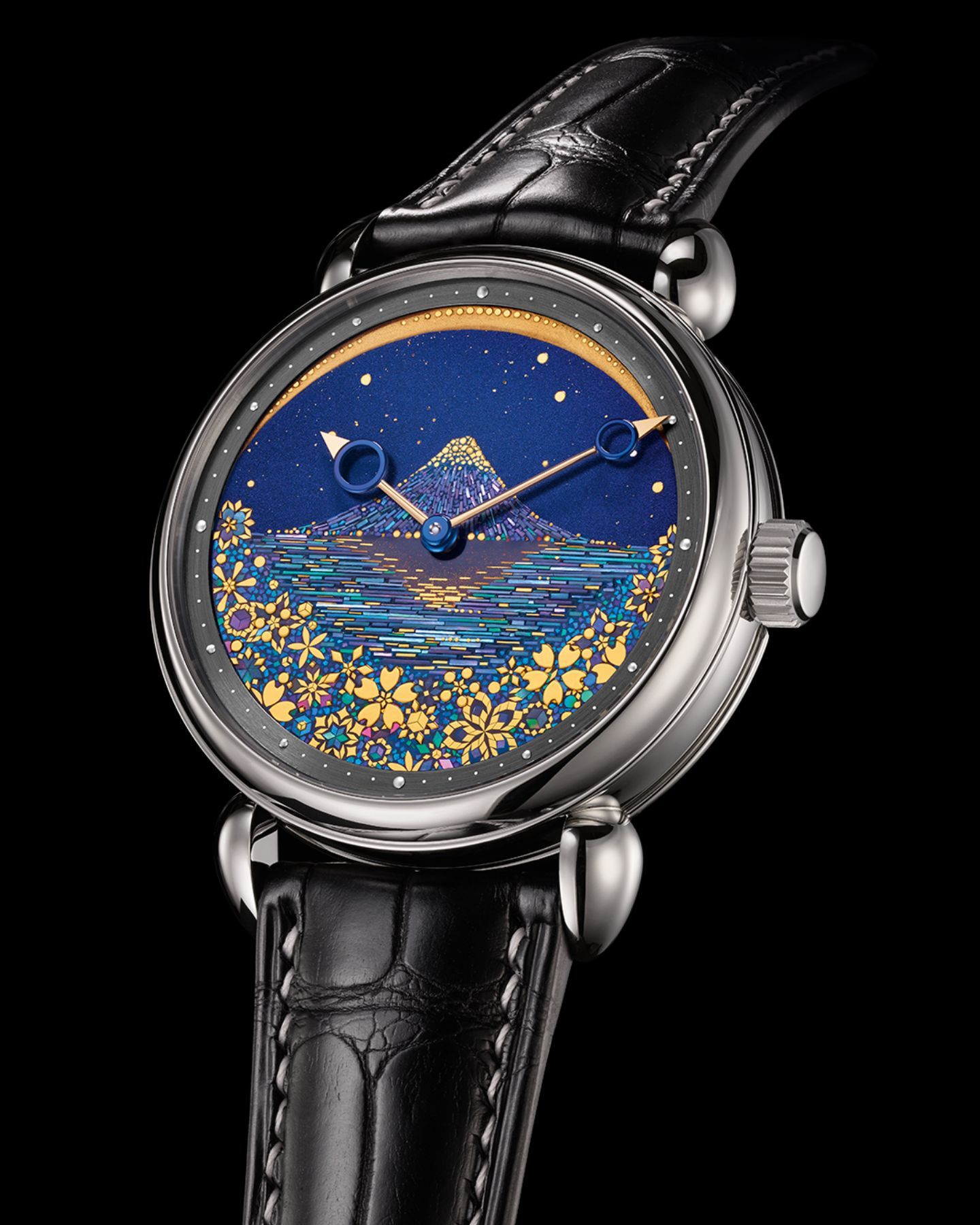
Furlan Marri has also brought the aesthetic into a more accessible segment through its mechanical three-hand watches. Teardrop lugs, on the other hand, favour softer contours and rounded, almost jewellery-like endings. Independent watchmaker Kari Voutilainen has made these elegant forms a recognisable feature of several creations, including the 28 Setsu-Getsu-Ka. Here, the lugs are not merely functional attachments; they are an extension of the watch's artistic character.
Wire lugs: A reminder of where it all began
Wire lugs carry a special place in horological history. Formed from thin metal loops attached to the case, they offer a minimalist appearance that recalls the earliest military wristwatches. Their delicate construction creates an interesting contrast when paired with larger watch cases.
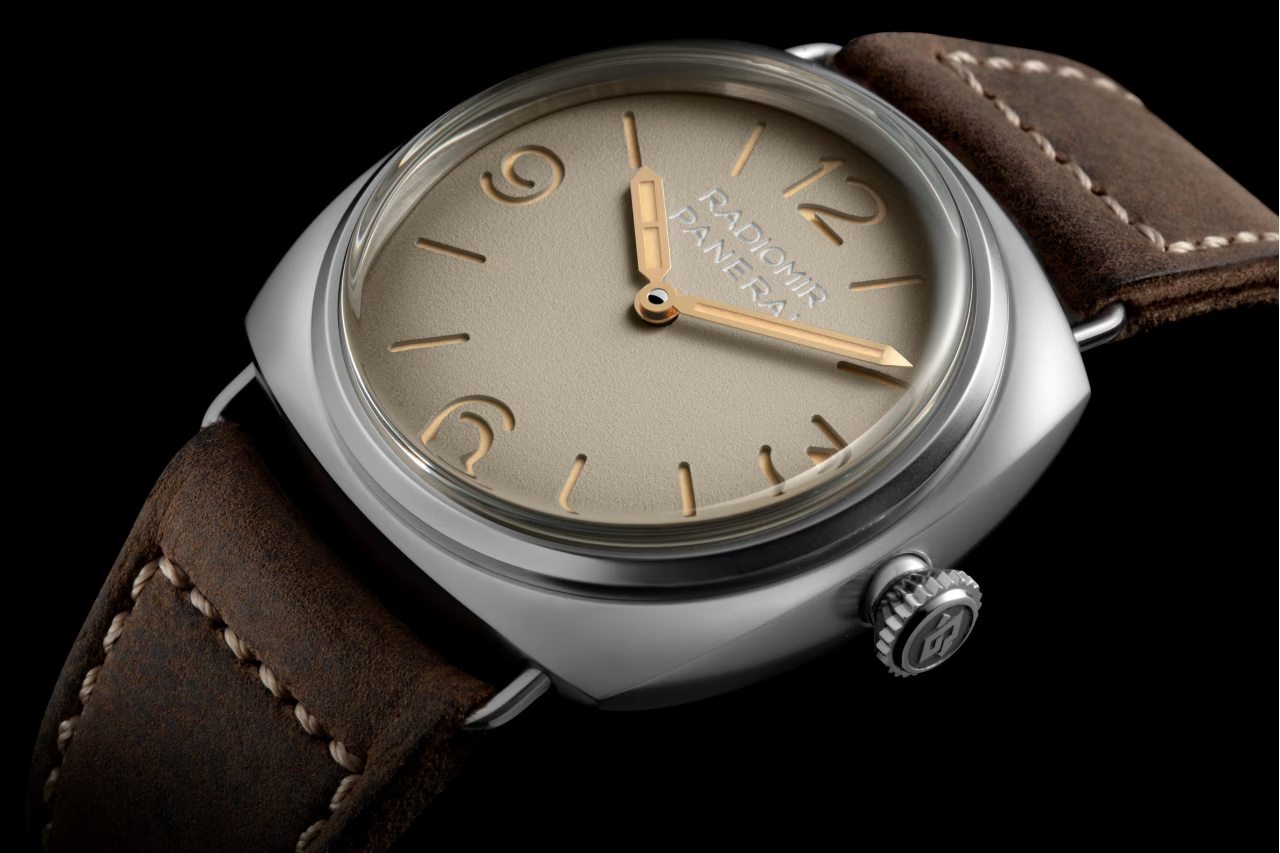
The Panerai Radiomir is among the most recognisable modern interpretations, preserving the aesthetic of its military origins. Nomos has also explored the concept with the Metro, incorporating spring bars into its wire-lug arrangement for practical strap changes.
Hooded and hidden lugs: The disappearing act
Some designers want their lugs to stand out; others prefer them to disappear. Hooded lugs partially conceal the strap attachment beneath an extended case structure, creating the impression that the strap emerges directly from the watch. This approach was particularly popular during the mid-20th century and can be seen in vintage Omega Flightmaster and Mark II models, as well as certain Seiko designs from the 1960s.
The IWC Da Vinci is another recognisable example of this design language. An even more minimalist interpretation appears in Disco Volante-style cases, where the lugs are tucked completely beneath the case, allowing the watch to appear almost like a seamless disc.
Twisted and lyre lugs: The Omega signature
Few lug designs are as instantly recognisable as Omega's signature lyre-style construction. Characterised by their curved, sculpted profiles and distinctive bevels, these lugs create a visual transition between the case and bracelet. Their contrasting brushed and polished surfaces also catch the light beautifully.
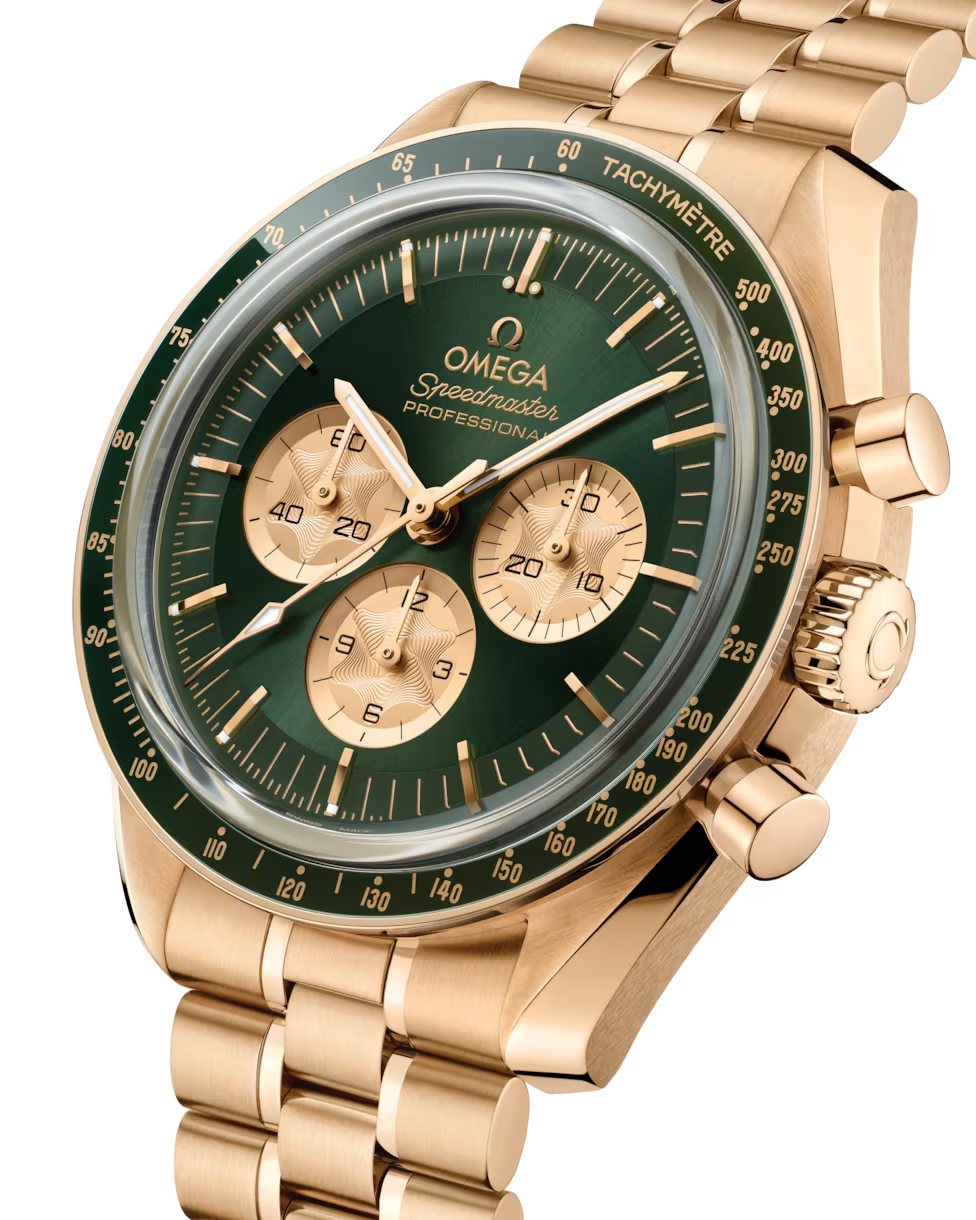
The Speedmaster is perhaps the best-known example, although similar architecture appears across the Seamaster family. These sculpted forms soften the utilitarian character of a sports watch without compromising its robust appearance.
Sculptural and articulated lugs: Engineering meets imagination
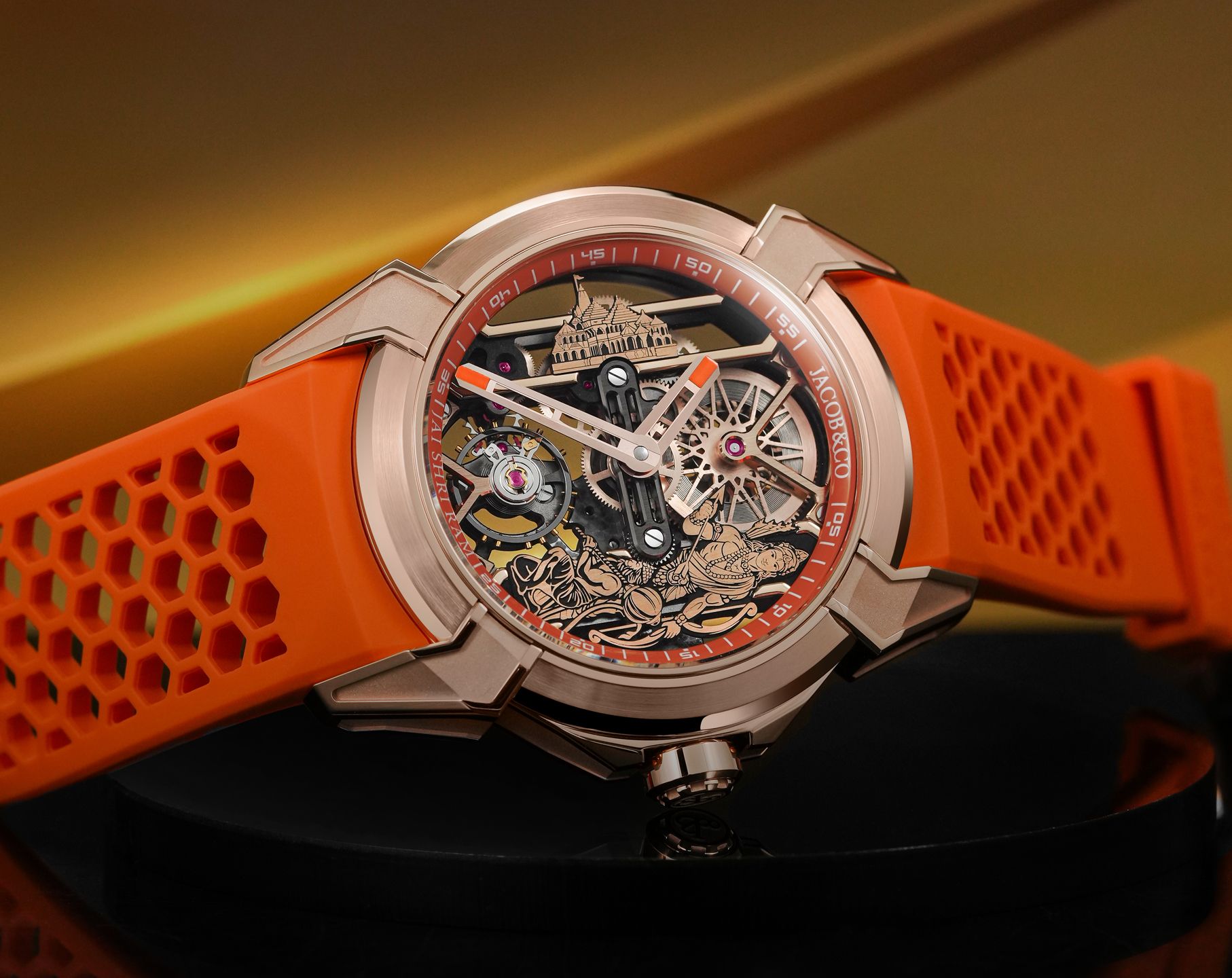
Independent watchmakers have taken lug design into more experimental territory. The Ulysse Nardin Freak X, for instance, uses distinctive curved lug arms to create a fluid connection between case and strap. The Jacob & Co. Epic X Ram Janmabhoomi Titanium Edition 1 takes a more dramatic approach with its signature X-shaped architecture.
Then there are articulated lugs, which move or pivot to adapt to the wrist. De Bethune's DB28 is an exceptional example. Its floating lug system adjusts dynamically, allowing a visually imposing watch to sit comfortably against the wrist. MB&F and Urwerk have also explored unconventional approaches to articulation, demonstrating how engineering can influence the very architecture of a watch.
When the lugs disappear altogether
Integrated-bracelet watches have transformed the way we think about the relationship between case and bracelet. Rather than treating the lugs as separate extensions, these designs create a continuous structure in which the bracelet becomes an integral part of the watch.
The Audemars Piguet Royal Oak, Patek Philippe Nautilus and Girard-Perregaux Laureato are defining examples. Their distinctive silhouettes are recognisable from across a room, with the case flowing seamlessly into the bracelet. This construction can also distribute the watch more evenly across the wrist.

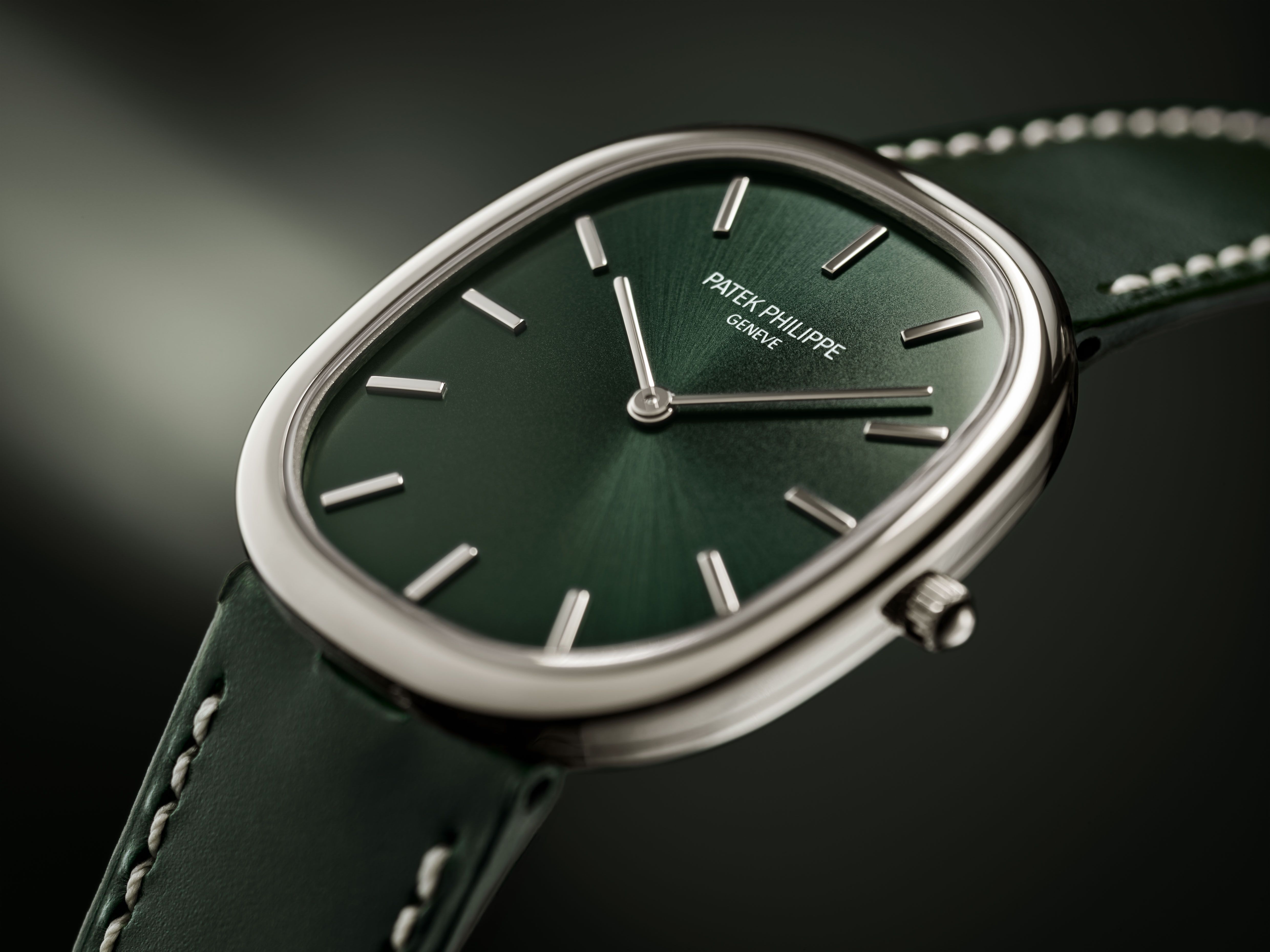
Lugless watches take the concept further by eliminating traditional protruding lugs altogether. Popularised during the modernist design movement of the 1950s and 1960s, these watches integrate the strap directly into the case or allow it to wrap underneath. The result is a cleaner profile and, in some instances, a closer fit against the wrist. The newly launched Baume et Mercier Joia demonstrates this approach.
Why lugs deserve your attention
There is no universally superior lug design. Traditional lugs offer versatility and easier strap interchangeability, while integrated and lugless constructions prioritise visual continuity. Articulated systems focus on ergonomics, while sculptural designs allow watchmakers to express their creativity. For collectors, understanding lugs also adds another dimension to evaluating a watch. Beyond case diameter, pay attention to lug-to-lug measurements, the width between the lugs, the downward angle and how the case transitions into the strap or bracelet. These details can make the difference between a watch that sits beautifully and one that never quite feels right.
Ultimately, lugs are where watch design meets the human wrist. They may not house a complication or contribute to timekeeping precision, but they influence how a watch is experienced every single day. They can be architectural, delicate, playful, unconventional or almost invisible. The next time you admire a beautiful timepiece, look beyond the dial and movement. Spend a moment examining those four little extensions. You might discover that the detail you had been overlooking is actually the one holding the entire design together.
Think You Know Watches? These Are The Horology Terms Every Watch Lover Should Know
What Makes Meteorite Dials So Special? The Answer Is Out Of This World


Frequently Asked Questions
Watch lugs are the extensions on either side of a watch case that connect it to the strap or bracelet. Besides securing the strap, they influence the watch's proportions, overall design and how comfortably it sits on the wrist.
Lug-to-lug distance is the measurement between the outermost tips of a watch's opposing lugs. It is an important consideration when choosing a watch because it determines how much wrist space the timepiece occupies and how well it fits.
Common types of watch lugs include straight, stepped, flared, cow horn, teardrop, wire, hooded, twisted, lyre and articulated lugs. Each has a distinct design and influences the watch's appearance, proportions and wrist comfort.