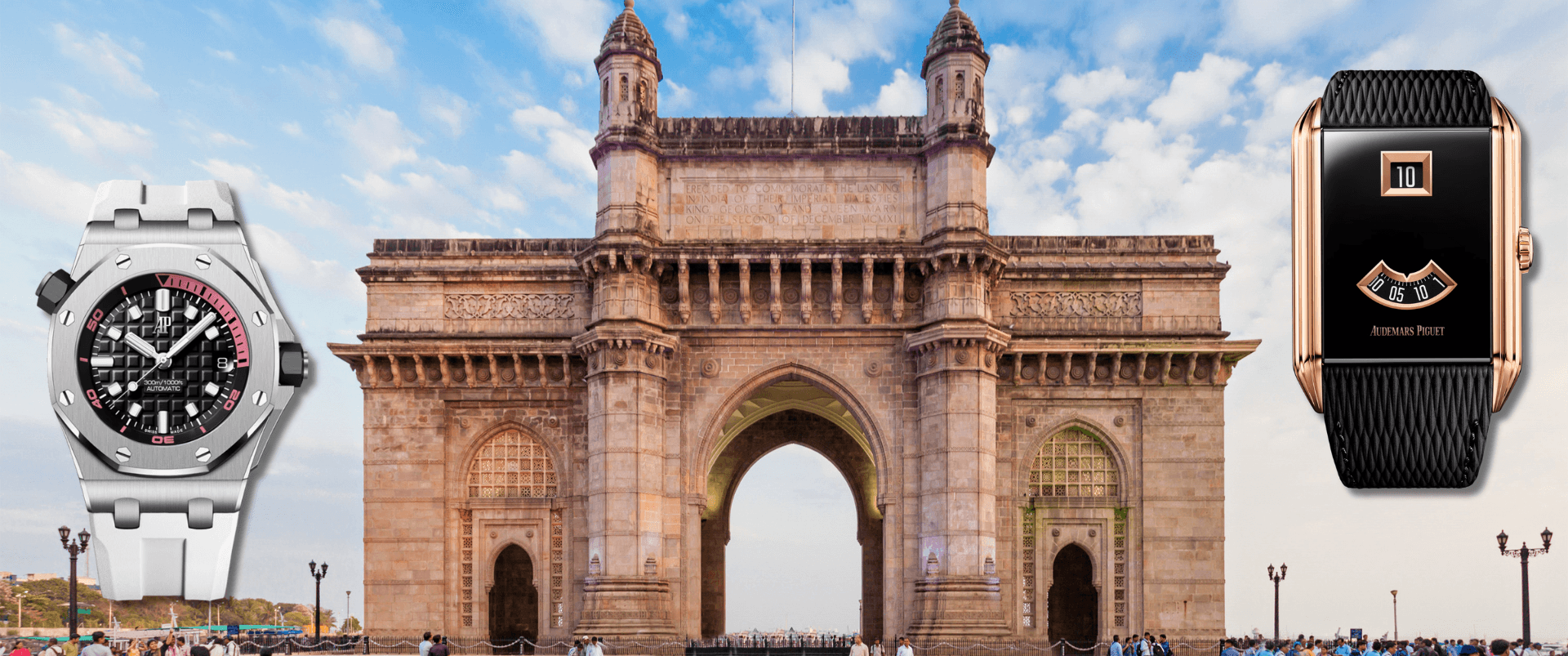
The Watch Brand Winning India Without Opening A Single Boutique.. Yet: The Audemars Piguet India Craze
 8 min read

The excitement was impossible to miss. From the early hours of the morning, queues snaked outside Swatch boutiques as hundreds of enthusiasts gathered for the launch of the Swatch x Audemars Piguet Royal Pop collection. To know more about this launch, click here. For one of the few times in recent watch history, India received the collection on the very same day as the international launch, turning the release into a nationwide event for collectors.
Seasoned watch connoisseurs, first-time buyers and curious onlookers waited for hours, hoping to get their hands on a Bioceramic watch that borrowed the Royal Oak's unmistakable octagonal silhouette and Tapisserie-inspired dial. Most weren't buying it because it was a Swatch. They were buying it because it carried two letters that have become increasingly powerful in India's luxury landscape: AP.
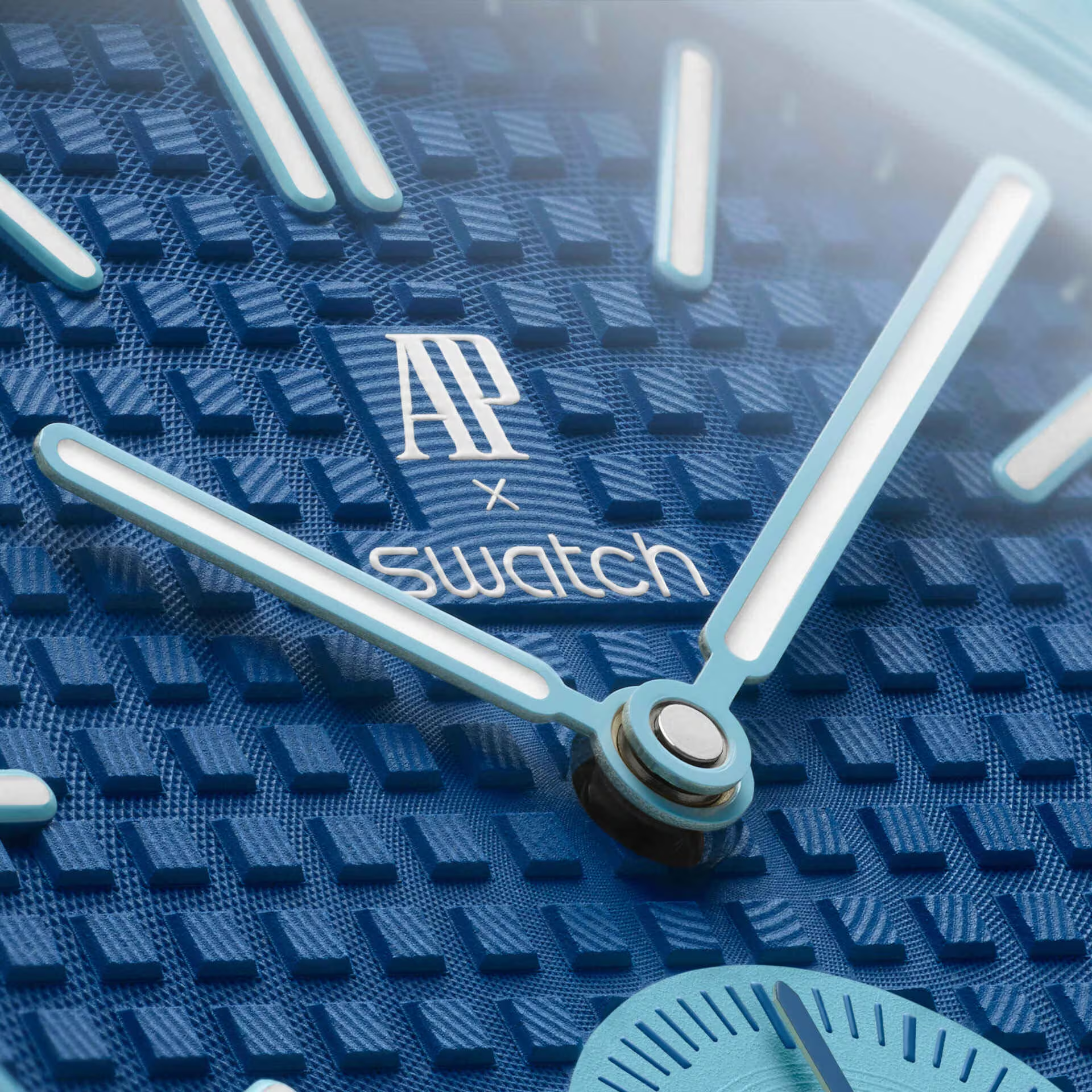
The frenzy revealed something fascinating. Here was a brand without a single boutique in India, yet capable of creating launch-day excitement usually reserved for sneaker drops or the latest smartphone. The Royal Pop didn't suddenly create India's fascination with Audemars Piguet, but it exposed just how large and passionate that audience had already become. For many young enthusiasts, it was their first chance to own something carrying AP's design language without spending seven figures or building relationships with overseas boutiques. More importantly, it introduced Audemars Piguet to an audience that had previously only admired it from behind phone screens. To know more about how this launch affected brand figures, click here.
Ask an Indian watch buyer from ten years ago what a luxury watch meant, and the answer was simple: a wedding gift, a business exit, or something bought duty-free on the way back from Dubai. Ask the same question about an Audemars Piguet today, and the answer gets more complicated and more revealing. AP isn't being bought as a trophy. It's being bought as a statement of insider knowledge, in a country that is only just learning to separate "expensive" from "exclusive." That distinction is the real story behind the craze, and it says as much about how India is changing as it does about the watch.
Audemars Piguet isn't new to India - it just never had a front door
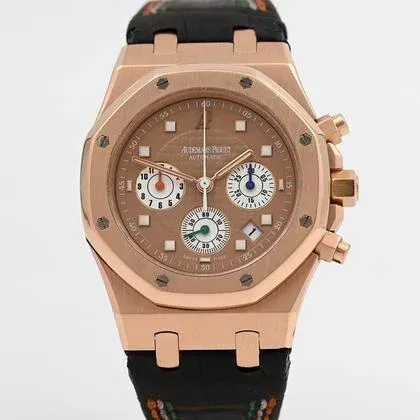
Long before "Royal Pop" or Instagram wrist checks, Audemars Piguet already had a real relationship with India, and it ran through one man: Sachin Tendulkar. Tendulkar became a long-time brand ambassador for AP, and in 2009 the manufacture honoured him with the Royal Oak Offshore Chronograph "Sachin Tendulkar" Limited Edition - 300 pieces in stainless steel, with a silver or brown dial carrying hints of the Indian tricolour through to the hand-stitched leather strap. AP followed it with a rarer Royal Oak Chronograph "Sachin Tendulkar" in 18-carat pink gold, limited to just 150 pieces. These sit today in the same collector conversation as AP's other athlete editions, from the Shaquille O'Neal Offshore to the Rubens Barrichello Chronograph, and still trade actively on the pre-owned market.
That history matters because Audemars Piguet's India moment isn't a brand-new phenomenon manufactured by a viral collaboration. It's a relationship that's now catching up with the country's wealth right as the brand is finally about to show up in person, yet again. When Audemars Piguet unveiled its new global boutique concept in Chengdu in late 2025, it named its International rollout list for 2026 and beyond, and Mumbai was on it, alongside New Delhi, Tokyo, New York, Los Angeles, and Abu Dhabi. Nothing has a confirmed opening date yet, which is why "rumoured" is the right word but the fact that Mumbai already sits on AP's own rollout map, the same list that produced a live boutique in Ho Chi Minh City in May 2026, is a stronger signal than forum speculation.
Why steel is beating gold in a country built on gold
To understand why a watch is currently doing something jewellery has done in India for generations, you have to start with what changed underneath it. For most of modern Indian history, wealth was parked almost exclusively in gold - as wedding gifts, as inheritance, as the one asset every family, rich or modest, understood and trusted. A financial newsletter tracking the shift put it plainly: steel, ceramic, and sapphire crystal are now entering that same mental map, not because they shine brighter than gold, but because they carry stories, scarcity, and staying power in a way a gold bar never could.
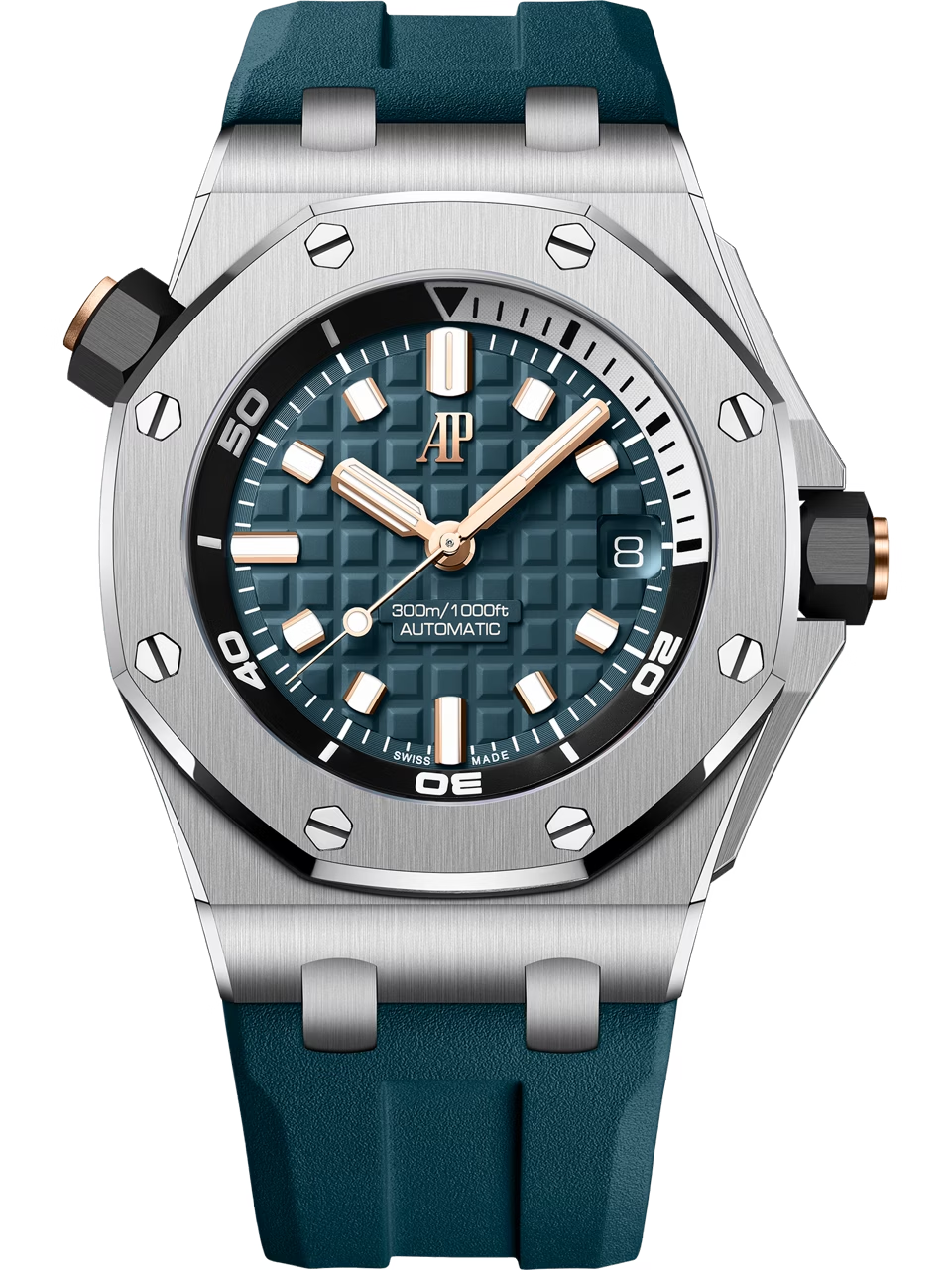
That's a genuinely new psychological category, and it explains why AP, a brand whose defining watch put steel at the centre of luxury in 1972, arguing that "accessible" material with masterful finishing was worth more than gold with none resonating with Indian buyers discovering the same idea forty years later. A generation of buyers who grew up trusting gold as a store of value is now being told, by the market and by their peers, that a steel Royal Oak can hold value the same way, while also saying something gold jewellery can't: that you knew what you were buying before everyone else did.
Scarcity is the product, not an obstacle
The absence of an Audemars Piguet boutique in India isn't just a supply gap, it's arguably part of the draw. Psychologists call this scarcity bias, and in the watch world it compounds with what's known as Veblen signalling: demand rising, not falling, as something becomes harder to get. Waitlists that stretch past a year, allocation decided by boutique relationships rather than money in hand, and models that simply cannot be walked in and bought, all of it reframes a watch from a product into what one industry analysis called a "prize." Owning a Royal Oak that your own country's luxury retail infrastructure can't even sell you yet is a stronger flex than owning something available at a mall two streets away.
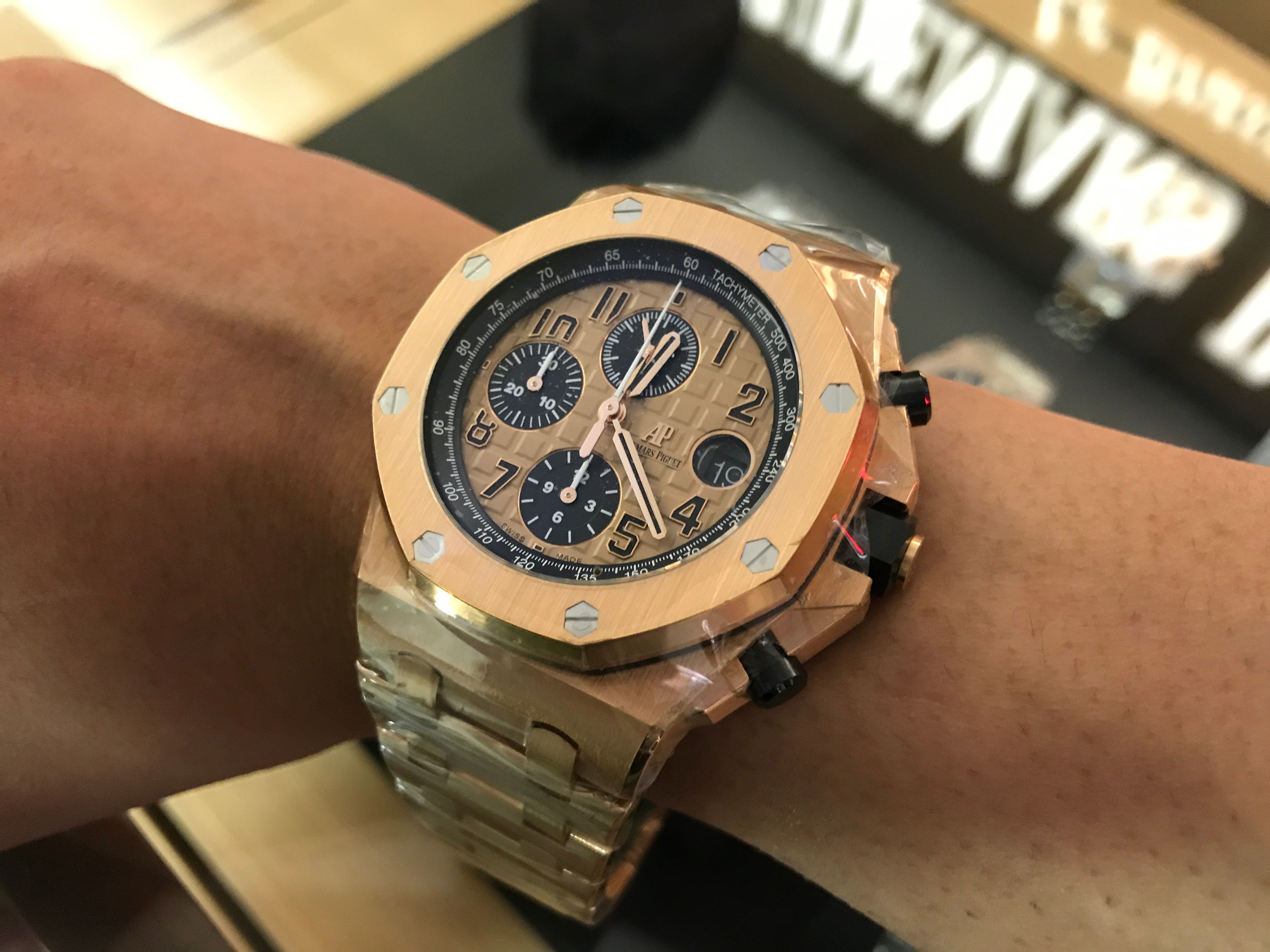
That dynamic is compounded by a very specific hierarchy Indian buyers have started to internalise: Rolex is the universally recognised name, the one your colleagues and your business partner both know on sight. Audemars Piguet on some level could be considered an "insider" brand, less about instant recognition and more about being read correctly only by people who already know what a Royal Oak's tapisserie dial means. In a market where luxury spending is increasingly about who recognises what you're wearing rather than whether they recognise it at all, that insider status is worth more to a certain kind of buyer than universal name recognition.
Where the demand actually spreads
The mechanism carrying this craze isn't advertising, it's community. Buyers today debate dial colours, reference numbers, and waitlist odds in WhatsApp groups, on Reddit threads, and in Instagram comment sections, tracking releases the way stock traders track tickers. And unlike China's single-buyer luxury boom, India's luxury purchases tend to be multi-generational events: analysis from Forbes India describes a typical purchase involving a "Purchaser" who controls the capital, an "Influencer" who shapes brand preference, a "Beneficiary", often a Gen Z family member aged 20 to 35 entering the ecosystem, and a "Validator," usually the extended family and peer network, who provides the social proof that makes the purchase worth making at all. A Royal Oak bought by one family member gets socially processed by all four roles before it's ever fully "owned."

Cricket supplies the public-facing version of that same validation loop. Virat Kohli has become an unofficial AP ambassador simply by wearing the brand - a Royal Oak Jumbo Extra Thin in rose gold, and separately a Royal Oak Openworked Perpetual Calendar in platinum. Hardik Pandya, Rohit Sharma, and KL Rahul have all been photographed in Royal Oak references too, turning IPL press conferences into product placement no marketing budget could buy and giving the WhatsApp-group conversation a reference point everyone already recognises. Chcekc out celebrity watch preferences in this article.
The investment story, and why it doesn't fully hold up
Ask an Indian buyer why they're dropping apartment-sized money on a watch, and "investment" is the answer you'll hear on repeat. But the dealers and collectors who actually make this market their living talk about it very differently than the people buying into it - they're far less starry-eyed. So is there real substance to the idea that watches are turning into a genuine asset class? For a handful of sought-after models, yes, you can see meaningful value growth if you're patient enough, often in the high single digits to low double digits annually. But it doesn't grow steadily like an index fund. It's closer to a coiled spring: nothing happens for years, then a brand discontinues a reference or a piece does unexpectedly well at auction, and the price jumps overnight. The flip side is just as real - buyers who overpaid at retail because they were afraid of missing out are the same ones left exposed when sentiment turns, and a 15-20 percent pullback can happen just as fast as the spike did.
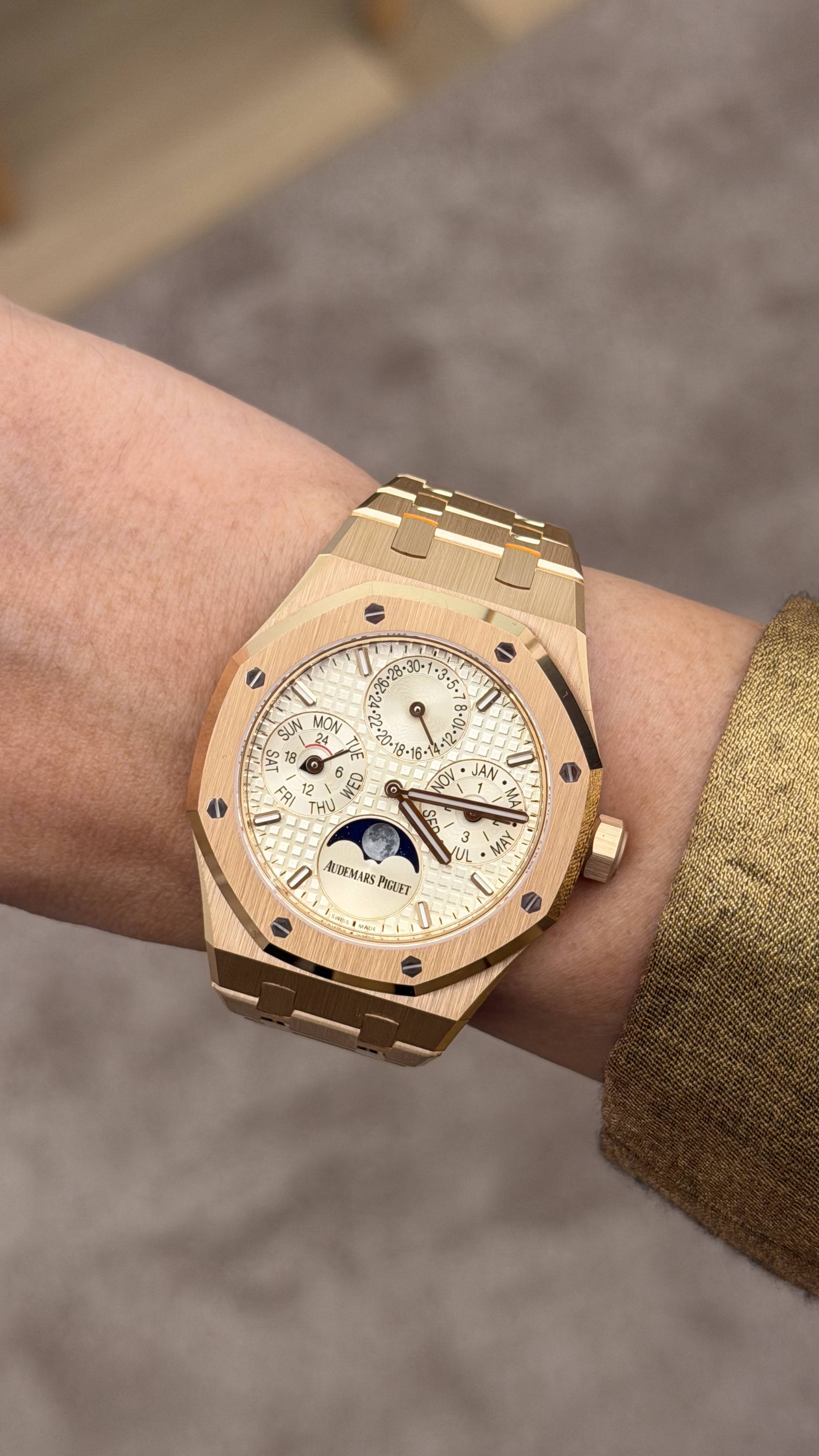
The distinction that actually holds up in India's growing pre-owned market is between celebrity heat and structural scarcity. A heavily customised, diamond-set piece seen on a celebrity photographs well but rarely holds resale value; a classic, factory-set steel Royal Oak, backed by genuine rarity and brand pedigree, is what collectors and dealers agree actually appreciates. Fame sells the watch. Scarcity is what makes it worth something after.
The Swatch collab lit the fuse
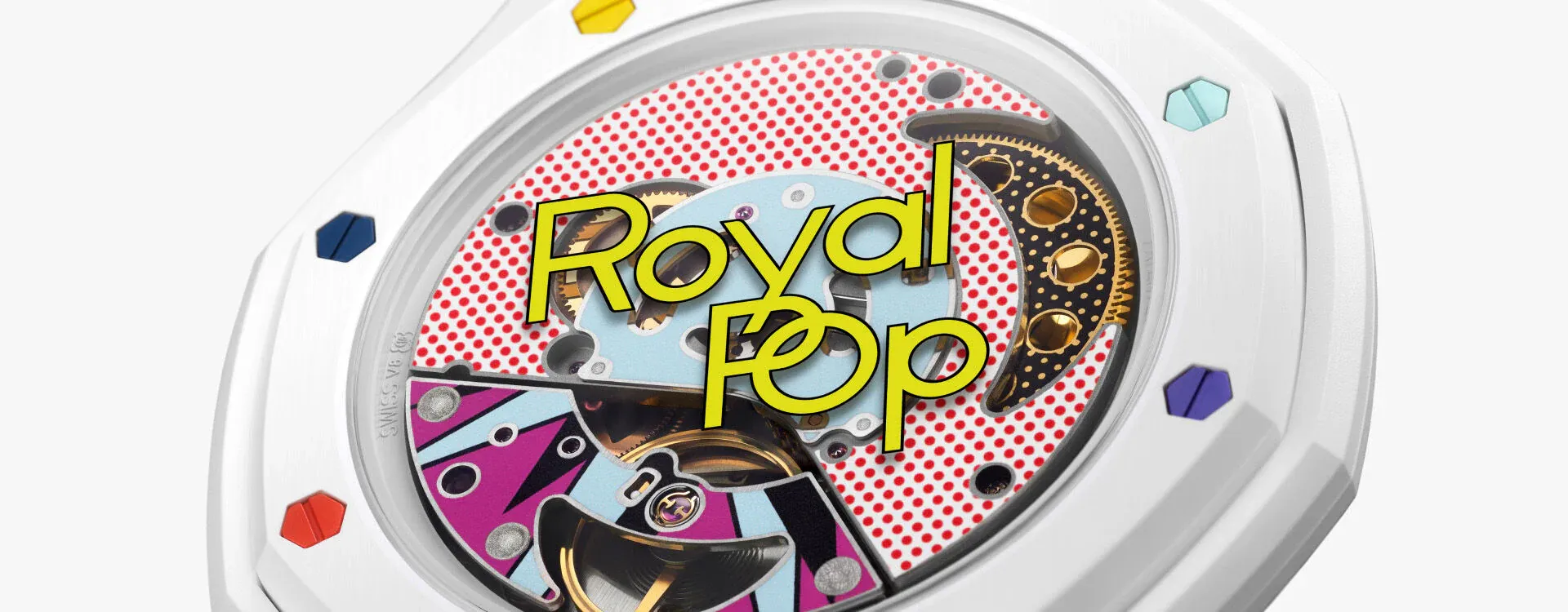
If one moment pulled AP out of a niche-collector conversation and into mainstream Indian pop culture this year, it was the Royal Pop. In May 2026, AP partnered with Swatch on a Bioceramic pocket watch borrowing the Royal Oak's octagonal case and Tapisserie dial - a brand built on scarcity deliberately making itself briefly accessible. In India this gave a large number of young Indian buyers their first chance to own something with AP's design DNA on it without needing seven figures or a boutique relationship on another continent. It didn't convert them into Royal Oak owners overnight. But it gave the WhatsApp groups something to talk about, and that's precisely the point.
Where this goes next
Put the psychology and the numbers together, and India's Audemars Piguet moment looks less like hype and more like a market working out a new vocabulary for wealth in real time, one where a steel watch can mean more than a gold one, where scarcity is the feature rather than the bug, and where being recognised by the right five people matters more than being recognised by everyone. Audemars Piguet has had a foothold here for over fifteen years through Sachin Tendulkar, a fast-growing base of cricketers wearing the Royal Oak on camera every week, and a pre-owned market doing the job a boutique would normally do. The only thing missing is the front door and by AP's own rollout plans, Mumbai is next in line to get one.
Check out the woman behind AP's success in this article.


