The Persistence Of Pan: Evolution Of Rolex’s Ref. 8171 Into Perpetual Padellone
 5 min read


Rolex has revived many of its own legends, but rarely one so improbable, so beautiful, and so fundamentally unlike the Rolex the world thinks it knows. The Ref. 8171 “Padellone” - Italian for “large frying pan,” was a 38 mm, non-Oyster, triple-calendar moonphase produced for barely four years from 1949 till 1953. In 2026, Rolex revived it, in spirit, with the Perpetual Padellone: not a reproduction, but a philosophical counterargument of a very contemporary grade.
The original 8171 is the great “un-Rolex”: large, delicate, and open to the elements rather than sealed against the same. The new Perpetual Padellone is emphatically a modern Rolex: technically over-engineered, magnetically resistant, instantaneous in its calendar logic, and finished with a seriousness that places it among the brand’s most advanced mechanical statements.
The following isn’t just a story about two watches, but also a story about memory: who keeps it, who rewrites it, and what it costs. Let us take the original first.
The watch that changed nothing - and everything
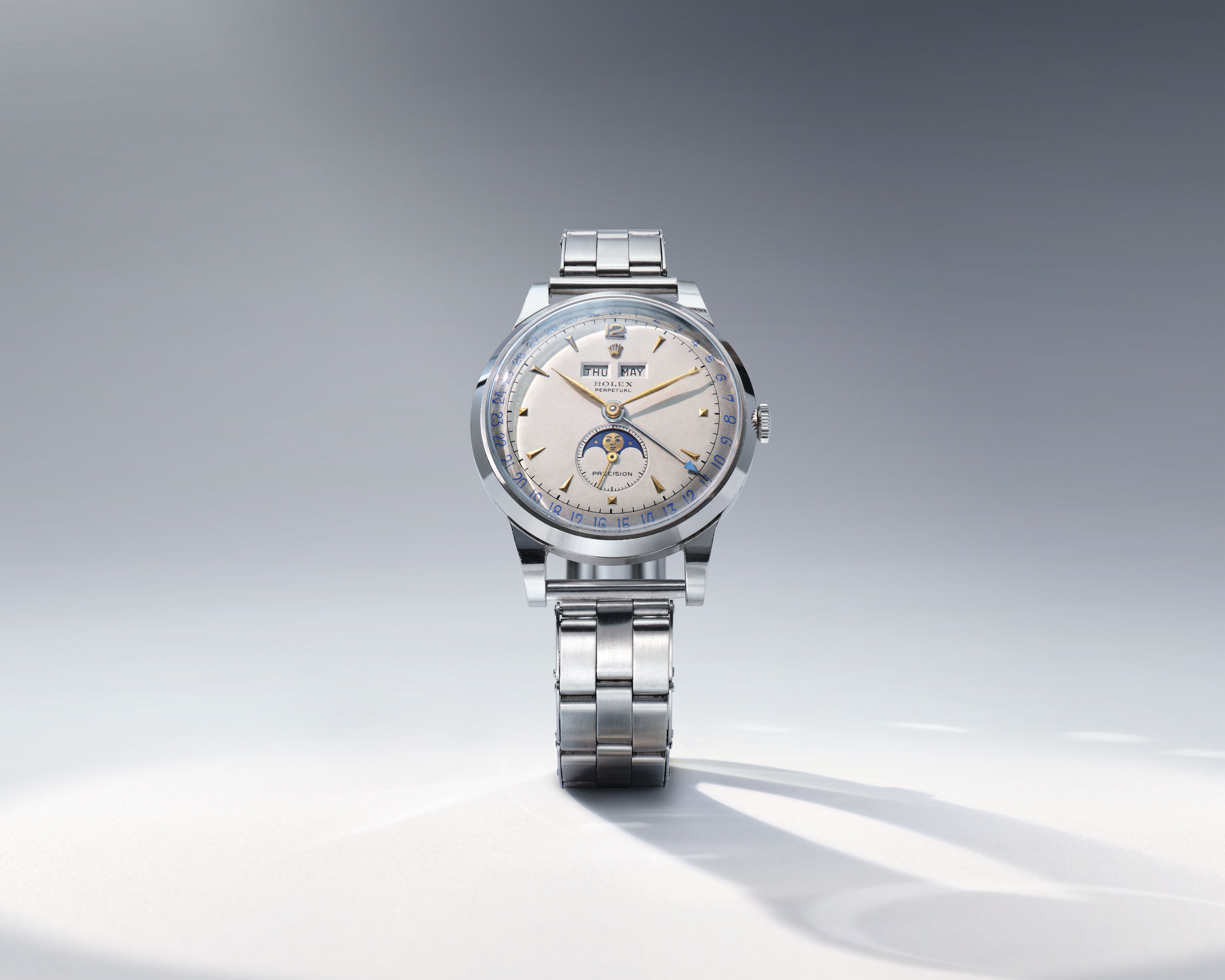
The Ref. 8171 arrived in 1949, four years after the Datejust had established the template for the modern Rolex: an Oyster case, a self-winding movement, and a date displayed with exemplary economy. The 8171 ignored that template. It used a snap-on caseback rather than a screwed-down Oyster construction, and it offered a complete calendar, day, date, month, and moonphase.
Its nickname came from Italian collectors, who saw in its wide, thin case the silhouette of a padellone, or large frying pan. The description is affectionate rather than dismissive: the 8171 has the strange confidence of an object made before a brand had fully decided what it was allowed to become.
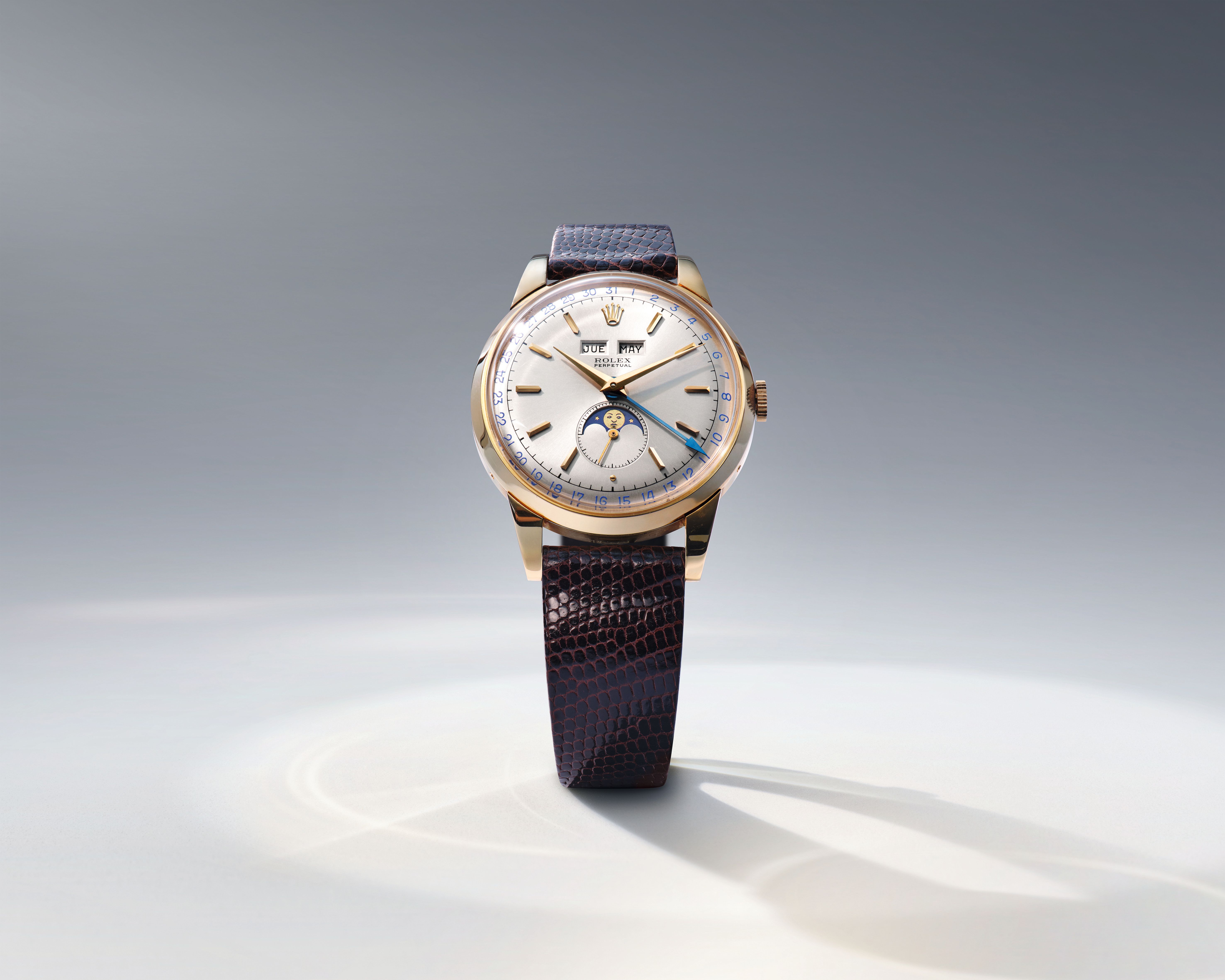
At 12 o’clock sit two small apertures for day and month. A blue date scale sweeps around the periphery, indicated by a central hand. At 6 o’clock, a hand-engraved moonphase display completes the composition. The reference was made from 1949 to 1952, with current scholarship placing total production at no more than about 1,200 examples. It came in steel and yellow gold (pink gold is the rarest). Original retail prices were startlingly modest by today’s standards: $90 in steel and $234 in gold.
A complication before the Oyster
What makes the 8171 so compelling is precisely its contradiction. While Rolex built its reputation on waterproofness, robustness, and utility, the 8171 is none of those things in the modern sense. Yet the watch survives as one of Rolex’s most poetic creations.
In 1950, Rolex effectively corrected the experiment with the Ref. 6062: the same calendar-and-moonphase architecture, but housed in an Oyster case. The 6062 became the more famous sibling, aided by extraordinary provenance pieces such as Emperor Bao Dai’s diamond-set black-dial example, which sold for $5 million at Phillips in 2017.
But the 8171 has a different kind of magnetism. It is larger, rawer, and less resolved. Where the 6062 feels like a finished idea, the 8171 will always be pioneeringly original and unusual. Both references left production by 1953, as Rolex’s identity shifted decisively toward the sports and tool watches that would define its modern mythology.
What Rolex revived - and what it did not
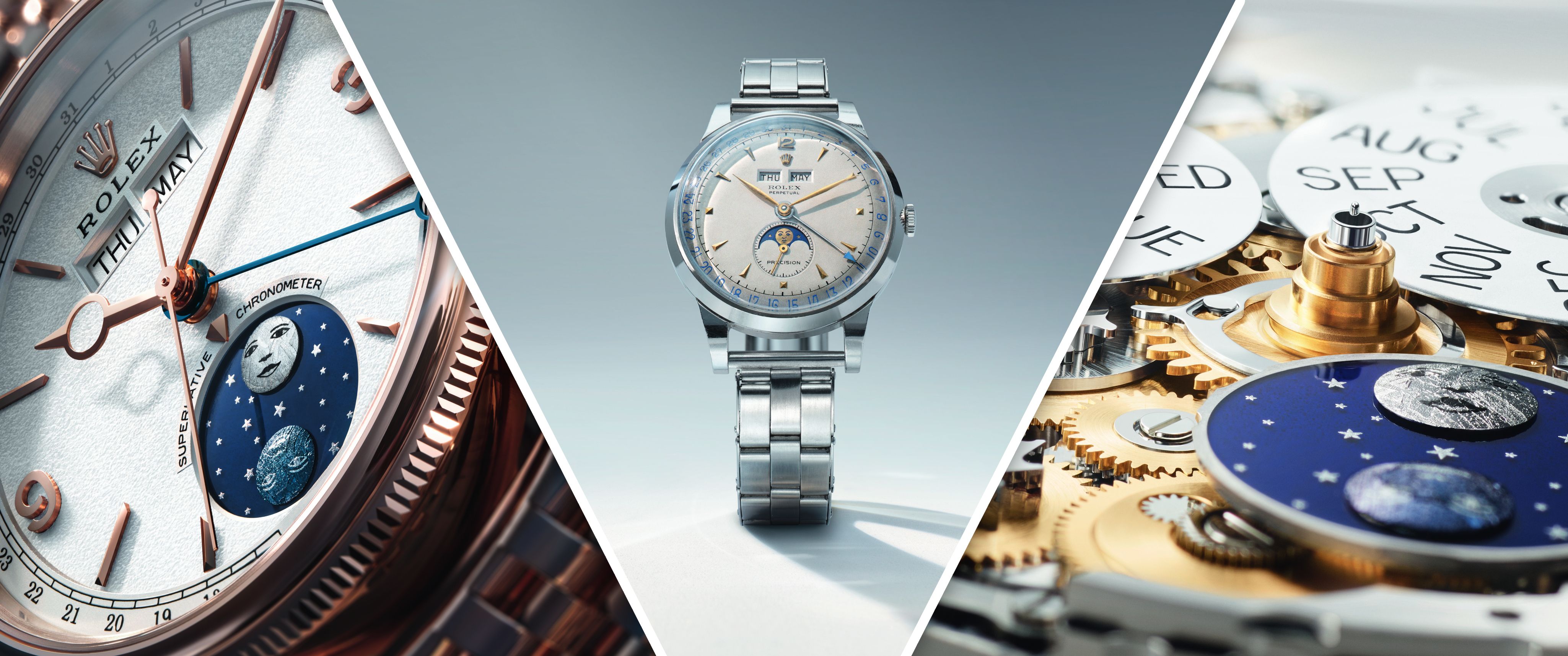
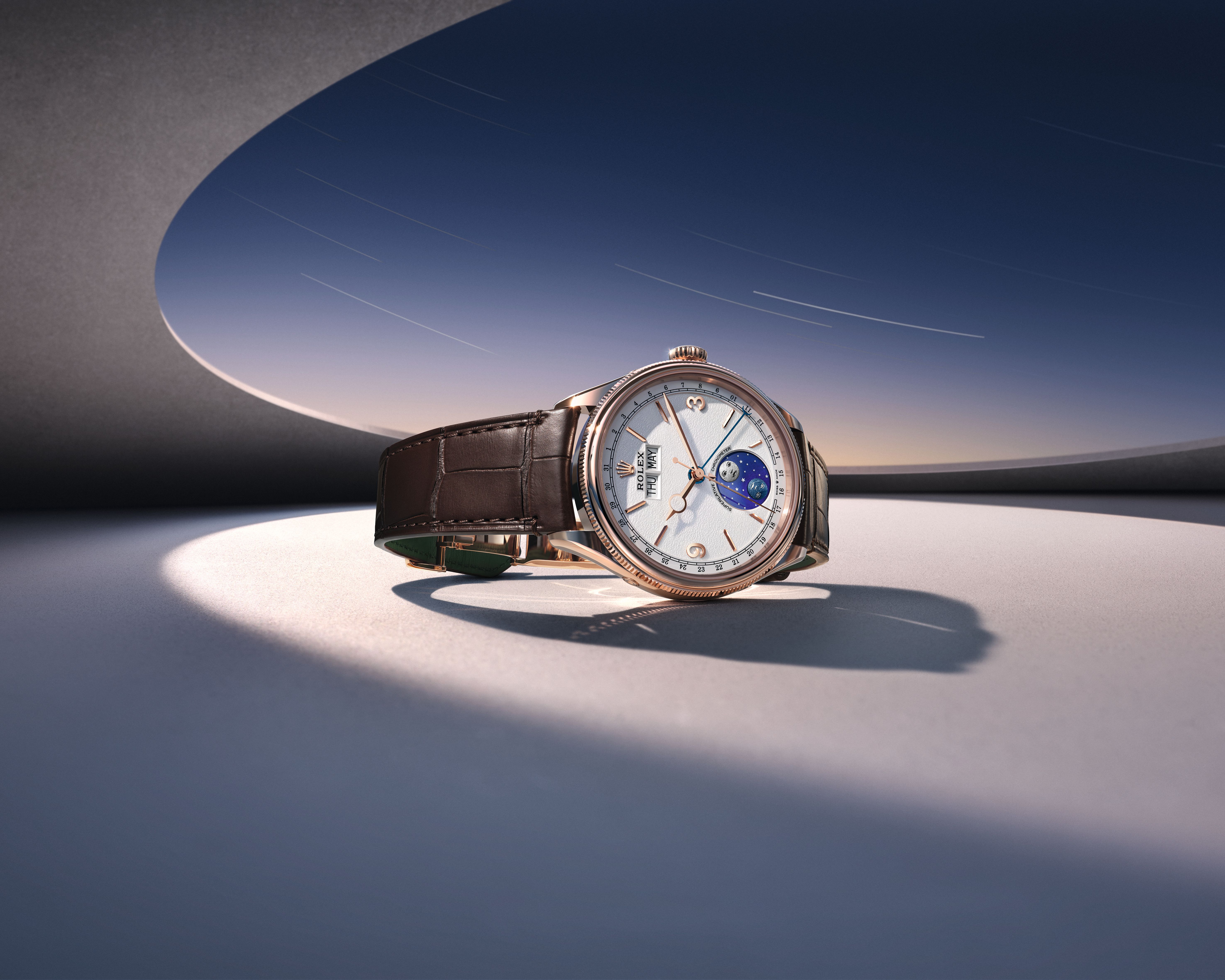
The 2026 Perpetual Padellone takes the 8171’s intellectual inheritance - complete calendar, moonphase, broad dial, aristocratic presence, and rebuilds it for an age in which a complication must also survive magnetism, shock, daily wear, and industrial-scale quality control. Rolex introduced the Perpetual Padellone on September 15, 2026, in Milan. It was not shown at Watches and Wonders, which is rare for the brand.
The new watch is not an Oyster. That much it preserves from its ancestor. But it is water-resistant to 50 meters. It sits in the Perpetual collection, launched in 2023 with the 1908, and takes that watch’s 39 mm case, domed-and-fluted bezel and chamfered lugs, now 12.20 mm thick.
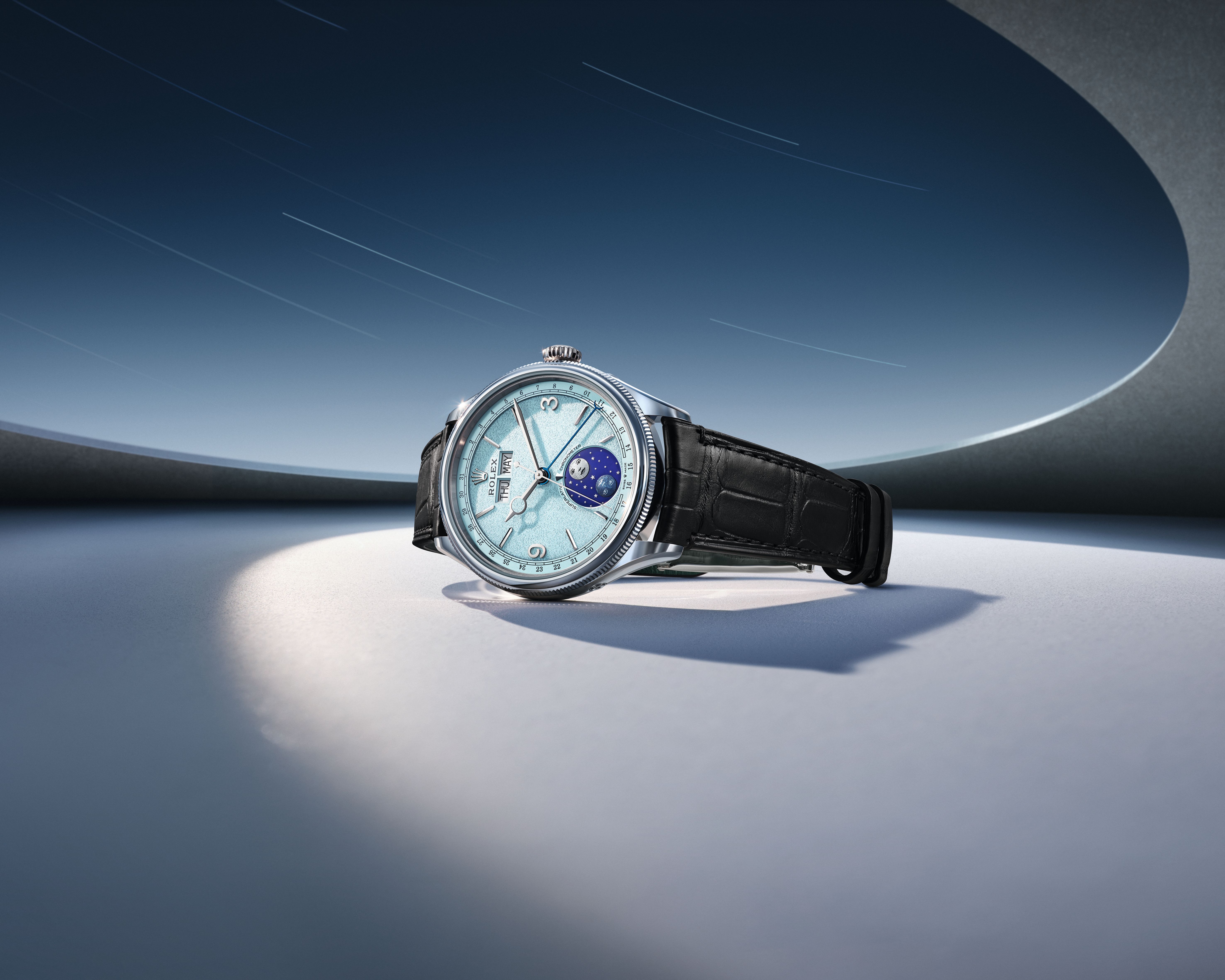
The dial retains the old logic: day and month in twin apertures at 12, a peripheral date track read by a blue central hand tipped with a crescent moon, and a moonphase at 6. But the execution is contemporary Rolex at its most luxurious: a grained dial, blue enameled lunar disc, meteorite full and new moons, and pad-printed silver stars.
Haplos: the calendar as engineering
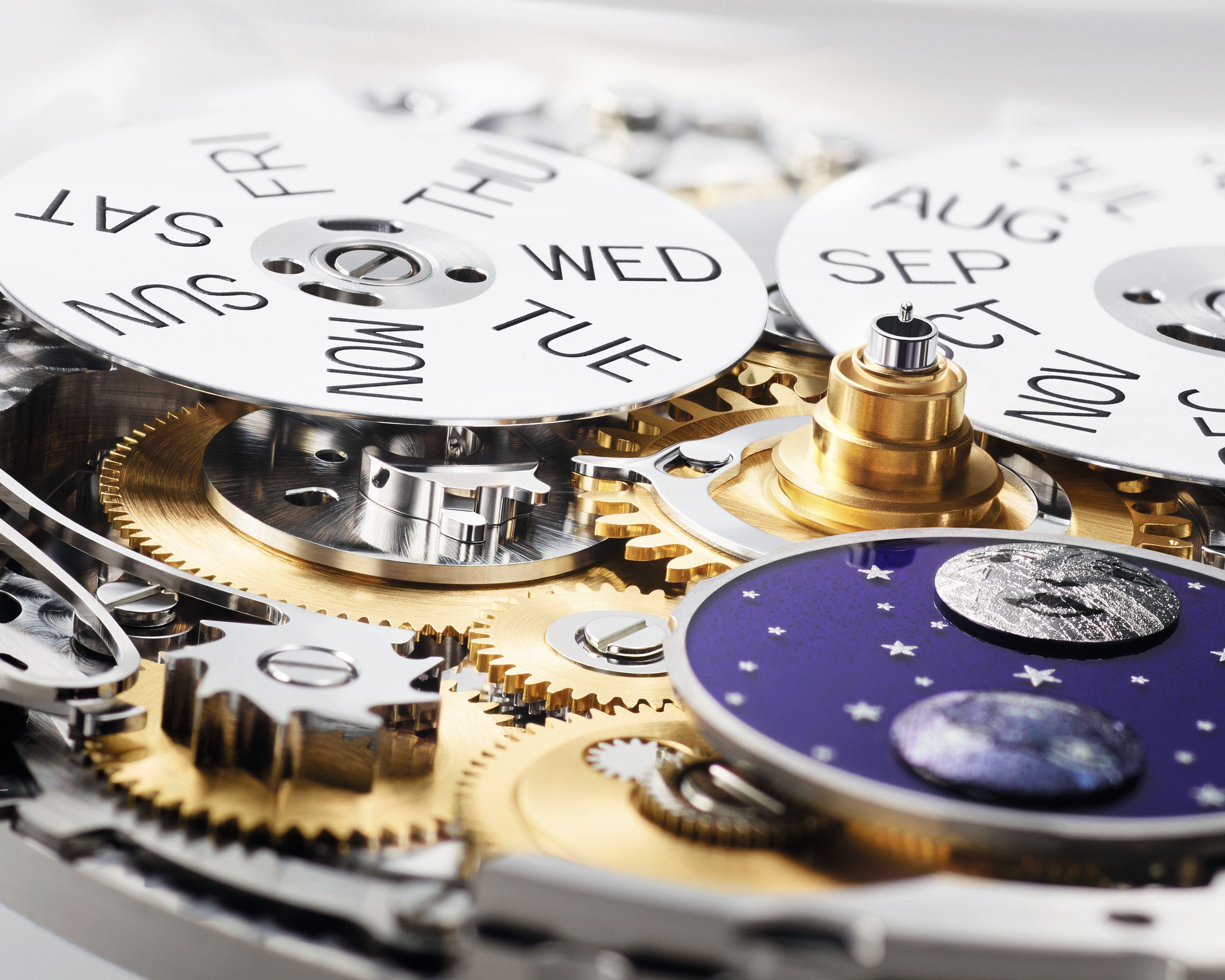
The technical center of the new Padellone is its caliber 7190, protected by 30 patent applications, two exclusive to this caliber and incorporating Rolex’s Dynapulse escapement. Its most interesting innovation is the Haplos system. Consisting of two additional components, an annual lever and a carrier finger, it allows the mechanism to distinguish between 30-day and 31-day months. The calendar consequently advances the date, day and month instantaneously at midnight without requiring manual correction at the end of every month. Being an annual calendar, it still requires adjustment at the end of February, because it does not independently account for February's variable length and leap years. That distinction should not be confused with a perpetual calendar.
Two ideas of perfection
The original Padellone is valuable because it is imperfect by modern standards. It is fragile, unusual, and historically unresolved. Its appeal lies in the fact that Rolex once made a watch that did not fit the company’s future. The Perpetual Padellone is valuable because it is almost too resolved. It has the calendar intelligence of a modern annual calendar, advanced magnetic resilience, and the finishing standards of a brand that can produce complications at industrial scale.
The 8171 reminds us that a great watch company is not merely a maker of reliable instruments, it is also a keeper of abandoned possibilities. The 2026 Perpetual Padellone does not simply bring back a reference. It brings back an idea - that a Rolex can be precise without being austere, complicated without being ostentatious, and modern without forgetting the strange, beautiful detour that helped make it what it is.
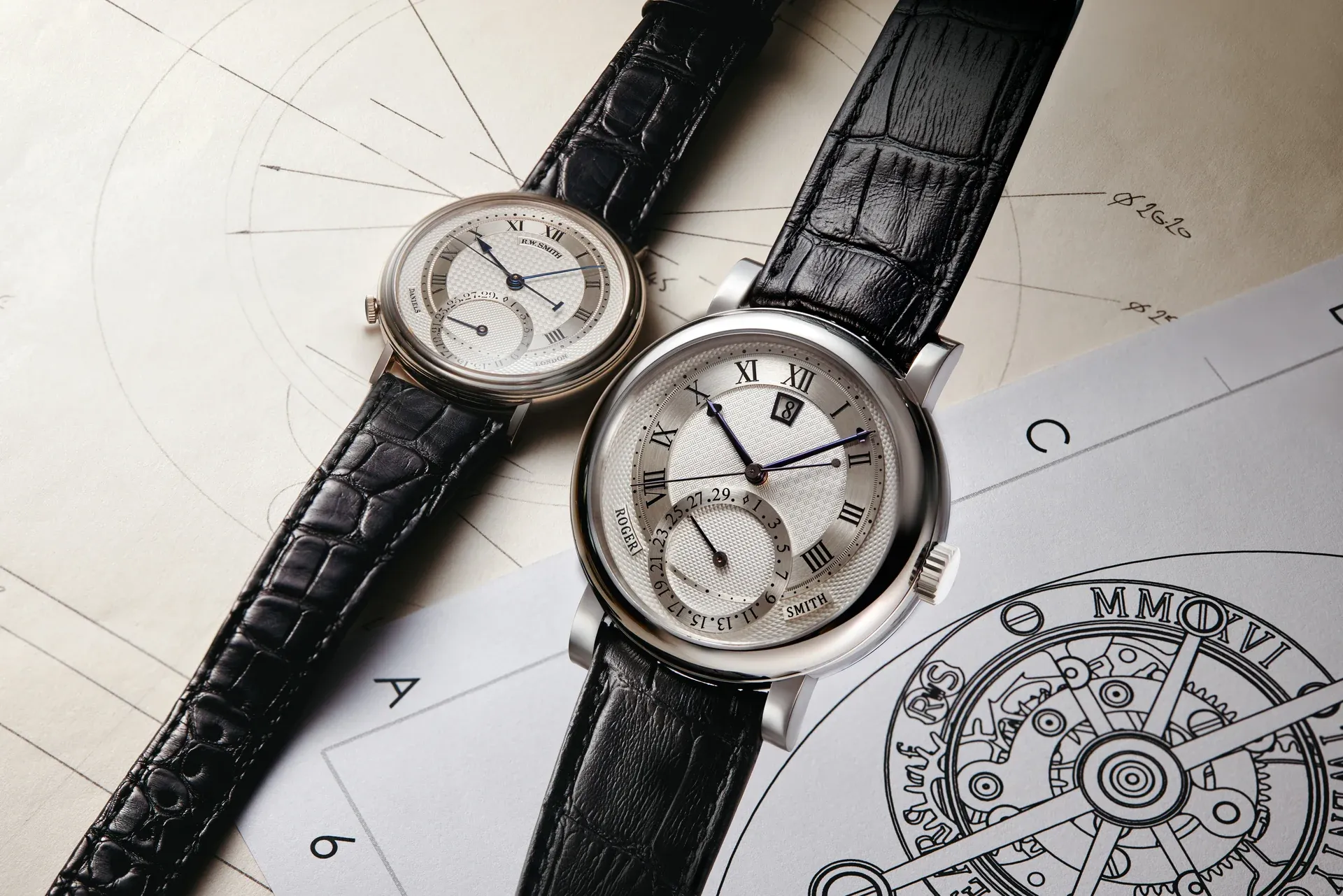
A thorough insight into the annual calendar complication in watchmaking and its fine examples.

Frequently Asked Questions
It is Italian for “large frying pan,” a nickname inspired by the original Ref. 8171’s broad, flat case.
No, it is an instantaneous complete annual calendar with a moonphase. It requires a single manual correction at the end of February.
An annual calendar needs one correction each year while a perpetual calendar accounts for leap years automatically.