The Oris Story: How A Small Swiss Town Built One Of Watchmaking's Most Honest Brands
 8 min read

The history of Swiss watchmaking is filled with legendary maisons, but few have fought harder for their place than Oris. Its story isn't one of uninterrupted success, rather it is a tale of setbacks, defiance and extraordinary resilience. From battling restrictive government laws to surviving the Quartz Crisis and boldly committing to mechanical watchmaking when the rest of the industry chased quartz, Oris has repeatedly chosen conviction over convenience. More than a century after its founding, that independent spirit remains at the heart of everything the brand creates. Here is a comprehensive history of the brand that is equal parts innovative and equal parts fierce.
Chapter One: The Brook That Whispered Ambition
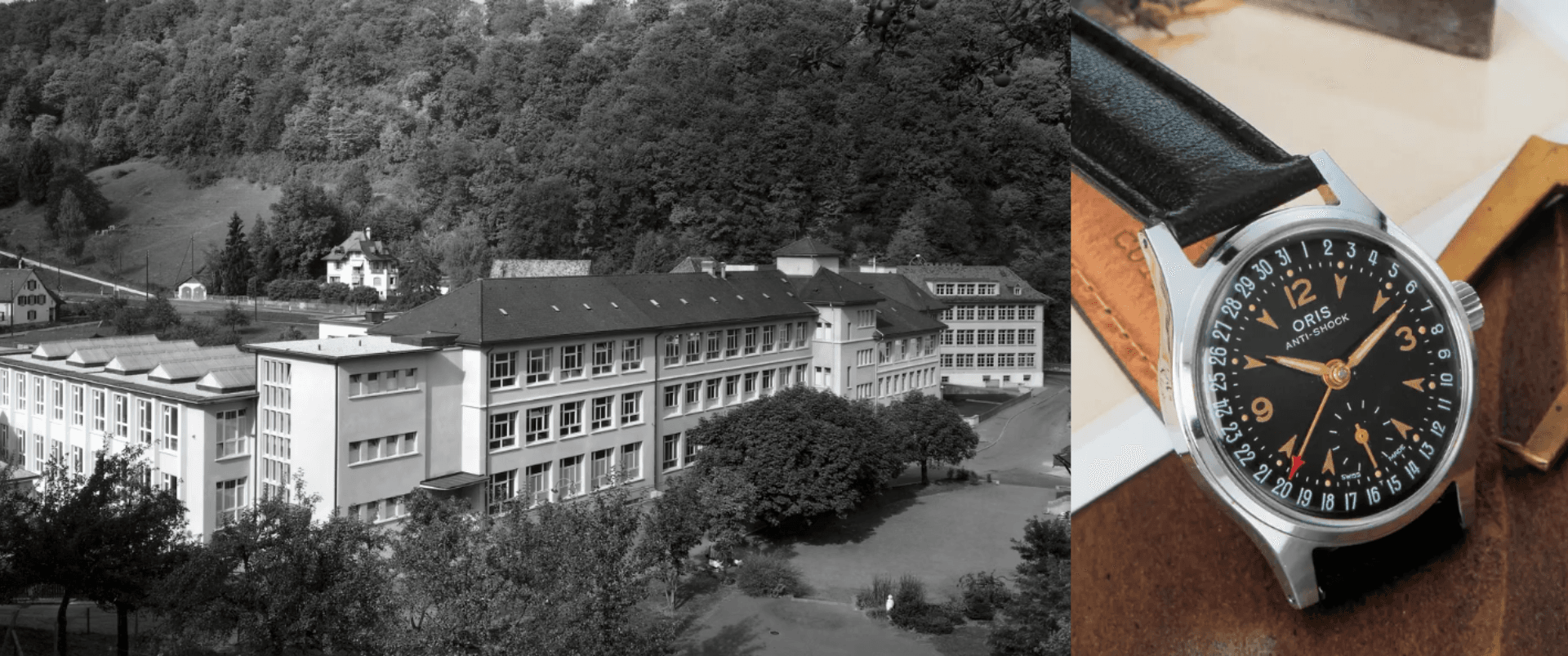
June 1, 1904. A small Swiss village called Hölstein, nestled in the scenic Waldenburg Valley, wasn't known for much. Rolling hills. Quiet streets. The kind of place where life moved at the pace of seasons, not minutes. But on this June day, two men - Paul Cattin and Georges Christian saw something others had overlooked: an abandoned factory, recently closed, waiting for dreamers bold enough to imagine its second life. The Lohner & Co factory had fallen silent. But Cattin and Christian heard its potential. They signed the contract with the local mayor and named their new venture after a nearby brook: Oris. It was a modest name for an immodest dream, to build one of Switzerland's finest watch manufacturers in a village that barely appeared on most maps. No one could have predicted what happened next.
Chapter Two: From Village to Powerhouse
By 1911, just seven years after that June signature, Oris had become Hölstein's largest employer. Over 300 watchmakers worked within its walls, their hands moving with precision over movements and escapements. The company wasn't just building watches, it was building a community. It constructed staff housing to attract the finest craftspeople. It became one of Switzerland's first employers to offer equal opportunities to both men and women at a time when such progressive thinking was radical.

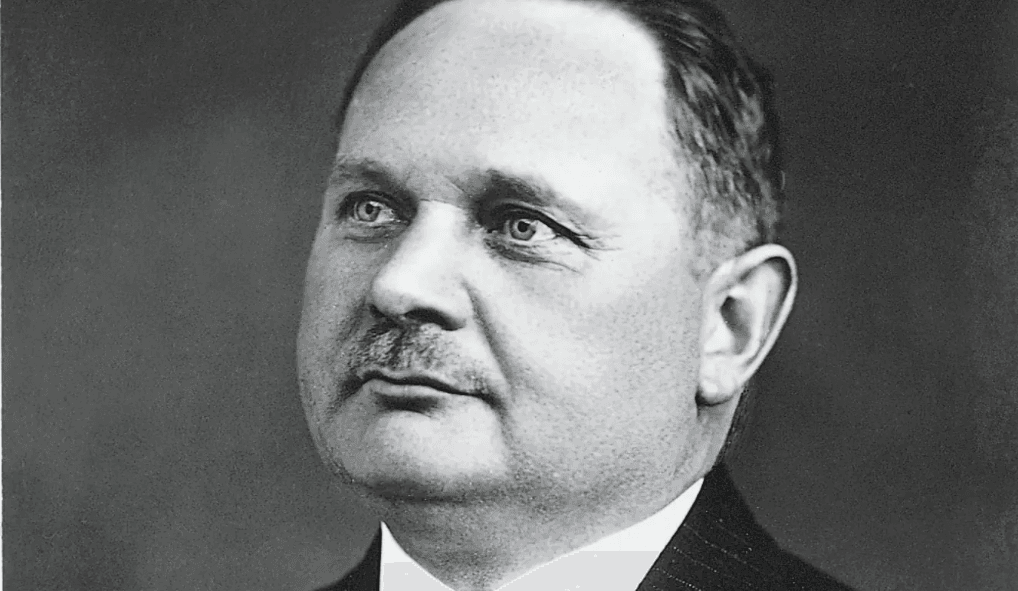
The appetite for expansion was voracious. Between 1906 and 1925, factories materialized across Switzerland like chapters in an expanding saga: Holderbank (1906), Como (1908), Courgenay (1916), Herbetswil (1925), Ziefen (1925). Each location represented not just a business expansion, but an extension of Oris's unwavering commitment to mechanical excellence. By the late 1920s, Oris had transcended its village origins. It was becoming something larger, a symbol of Swiss watchmaking precision and innovation. Then, in 1928, tragedy struck. Georges Christian died. The leadership passed to Oscar Herzog, Christian's brother-in-law, a man with fierce ambitions to propel Oris to the absolute forefront of watchmaking technology. Herzog possessed a vision: Oris would not merely follow the industry, it would lead it. But fate had other plans. Know more here.
Chapter Three: The Law That Tried to Stop Progress
March 12, 1934. A date that would haunt Oscar Herzog and the entire Oris company for three decades. The Swiss government introduced the "Watch Statute" - a peculiar law ostensibly designed to protect the watchmaking industry from chaos. In reality, it became an iron cage, locking companies into technological stagnation. The statute prevented watch manufacturers from introducing new technologies without government permission. It was regulation masquerading as protection.
For Oris, the timing was catastrophic. The company had been using pin-lever escapements (the Roskopf escapement), movements that were functional but less accurate than the lever escapements that competitors had already adopted before the statute passed. Those competitors had essentially locked in their technological advantage. Oris, meanwhile, found itself frozen in time, forbidden from adopting the superior technology that its rivals already possessed. Oscar Herzog watched helplessly as his competitors pulled ahead. For thirty years, an eternity in watchmaking, Oris remained chained to inferior technology, unable to innovate, unable to compete on equal terms. It was not just a business problem. It was a philosophical wound. Herzog believed in progress. He believed in pushing boundaries. And the law forced him to do neither.
Chapter Four: The Lawyer Who Changed Everything
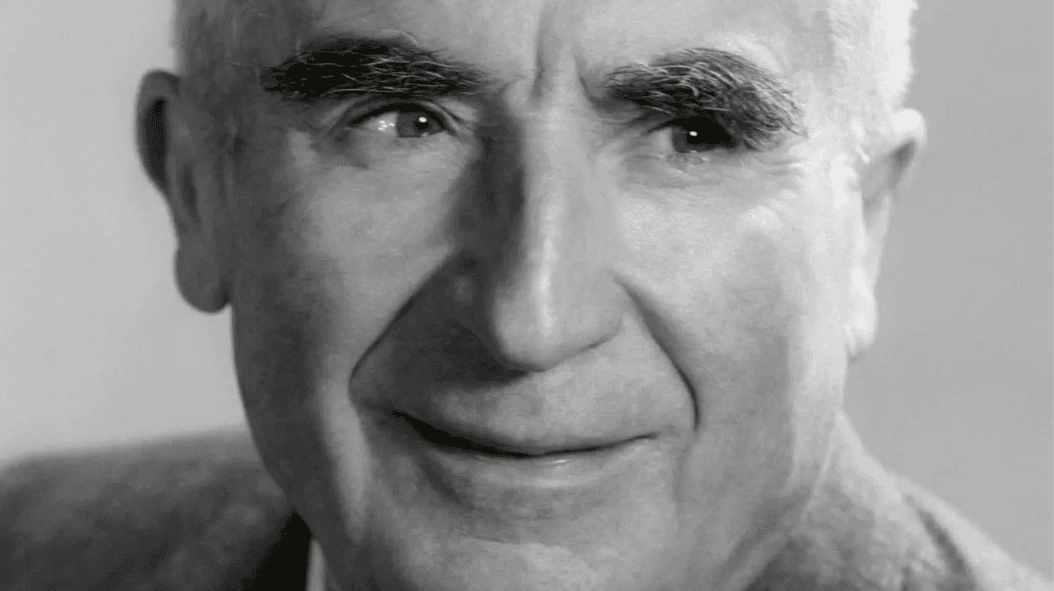
The story might have ended there, a talented company slowly fading into irrelevance, watching the world move forward without them. But after World War II, Oscar Herzog made a decision that would alter the course of Oris's history. He hired a lawyer named Dr. Rolf Portmann. For a decade, ten years of relentless campaigns, appeals, and arguments - Portmann fought the Swiss Watch Statute. His mission seemed impossible. The law was entrenched, defended by powerful interests. But Portmann persisted with a determination that bordered on quixotic. He believed that innovation should never be criminalized. He believed that merit, not regulation, should determine a company's fate.
In 1966, he won. The Watch Statute was reversed. It was an achievement so significant that Dr. Rolf Portmann earned his place in Swiss watchmaking history, not as a watchmaker, but as the man who freed an entire industry from self-imposed chains. Oris didn't waste a moment. By 1968, the company unveiled the Calibre 652, featuring the superior lever escapement that had been denied to them for thirty long years. The movement was so precise, so perfectly calibrated, that it earned the highest accuracy distinction from the prestigious Observatoire Astronomique et Chronométrique. Oris had finally broken through the ceiling that legislation had imposed. The company that had been held back was now demonstrating that it had never lost its capacity for excellence.
By the end of the 1960s, Oris ranked among the world's top 10 watch companies. The little village brand employed 800 people, produced 1.2 million watches and clocks annually, and had proven something fundamental: the spirit of innovation cannot be legislated away. It can only be delayed.
Chapter Five: The Quartz Apocalypse and the Suicidal Choice
The 1970s arrived like an apocalypse for Swiss mechanical watchmaking. Quartz watches emerged - cheaper, more accurate, requiring far less skill to produce. They were not better timepieces; they were simply cheaper alternatives. But in the world of business, cheaper often wins. The Swiss watch industry watched its own extinction approaching. In 1970, Oris joined ASUAG, which would later become the Swatch Group. It was a practical decision - a lifeboat in a sinking ship. But as the quartz tsunami crashed over the industry, even lifeboat passengers struggled to survive. Oris's workforce plummeted from 900 to just a handful of dedicated employees. The company that had once dominated Hölstein was on life support, its future measured in weeks, not years.
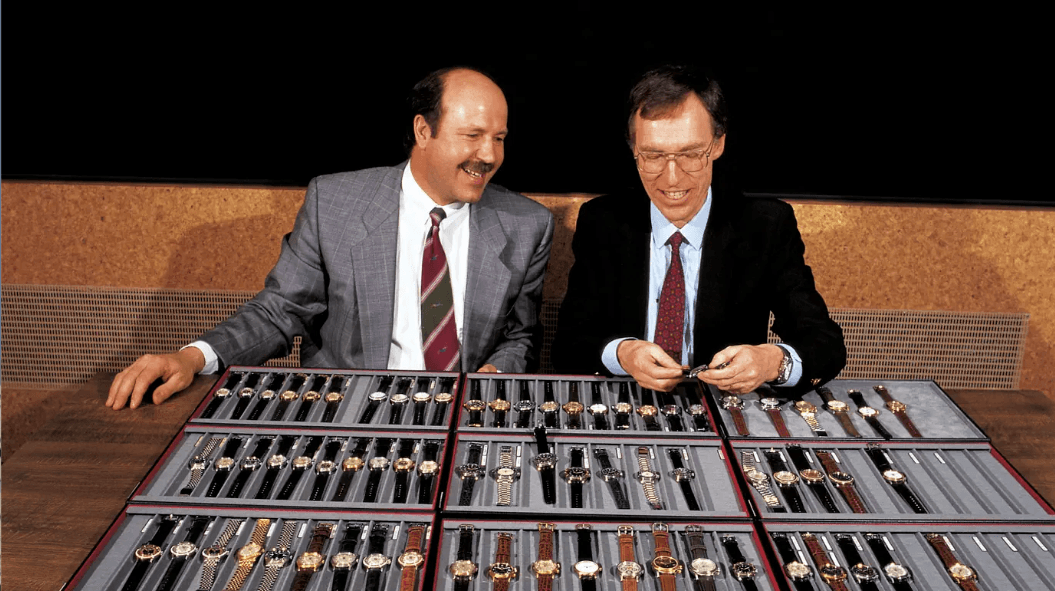
But in 1980s, something extraordinary happened. Dr. Rolf Portmann and Ulrich W. Herzog led a management buyout, rescuing Oris from corporate ownership and restoring its independence. This act of defiance restored more than just Oris's autonomy, it restored its soul. And then, in what many industry observers considered a commercially suicidal decision, the newly formed Oris SA made a choice that would define its entire future: They would produce only mechanical watches. No quartz. No compromise. No surrendering to market trends. Just pure, unapologetic mechanical watchmaking at a time when the entire industry was abandoning it.
Chapter Six: The Vindication
But the world changed. By 1991, something unexpected happened: collectors began rediscovering mechanical watches. Not as relics of the past, but as objects of genuine desire. Mechanical movements became symbols of authenticity, of humanity, of craftsmanship in an increasingly digital world. Oris's lonely stand became vindication.
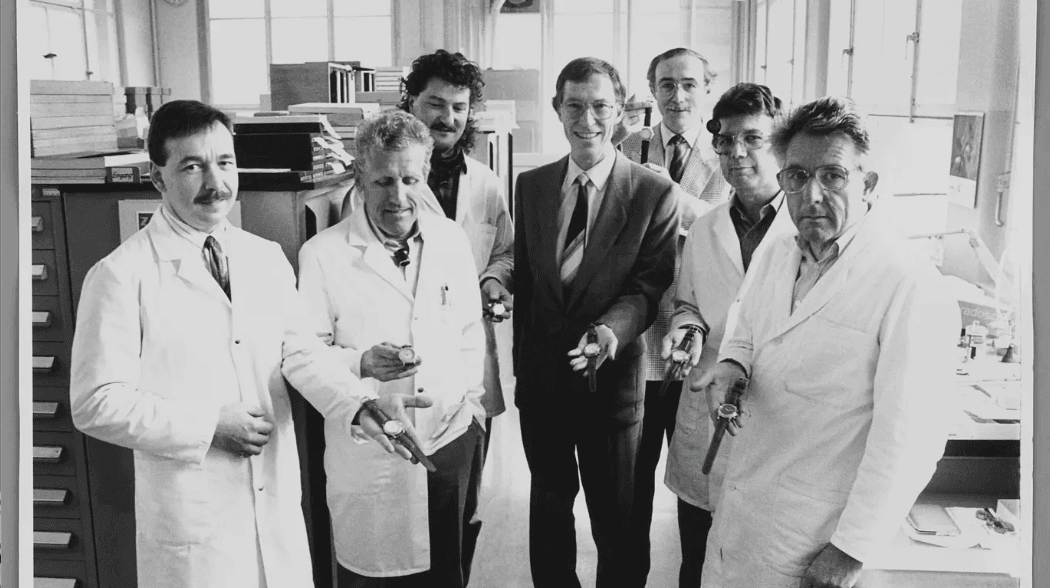
That year, the company launched the Calibre 581, the most complicated movement it had ever created. It featured a moon-phase module developed entirely by an in-house team of passionate watchmakers - craftspeople who had never abandoned their belief in mechanical excellence. The watch community took notice. The world realized that Oris had been right all along.
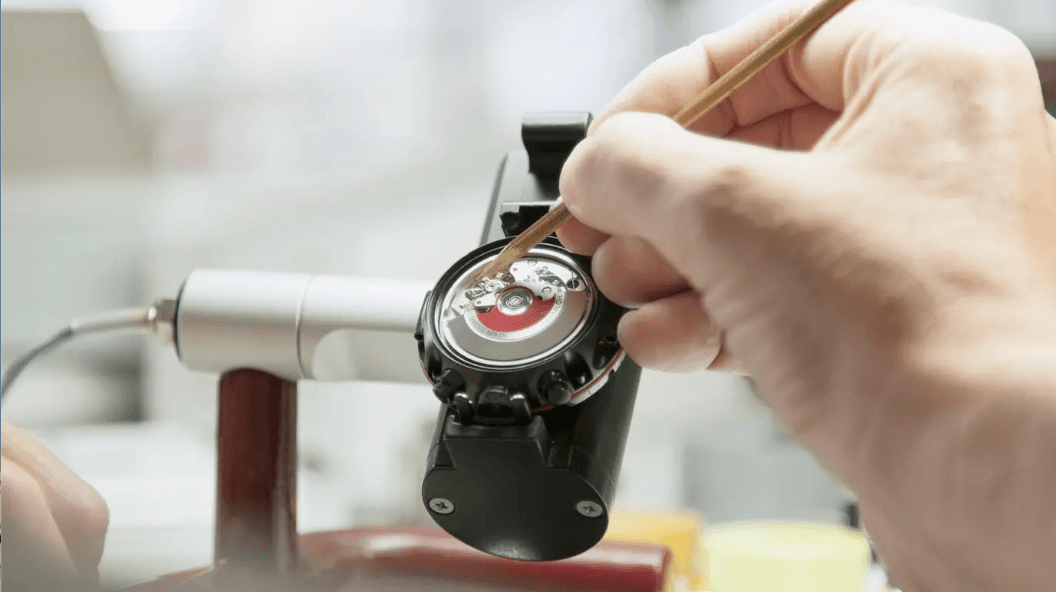
Throughout the 1990s and 2000s, Oris didn't just survive, it innovated with purpose. The Worldtimer solved a real problem: adjusting local time in one-hour jumps via buttons, with the date automatically updating if you crossed midnight. In 2002, Oris registered its iconic Red Rotor as a trademark - not as decoration, but as a manifesto declaring its philosophy: high-quality Swiss Made mechanical watches with real-world functions at prices that ordinary enthusiasts could afford. No pretension. No unnecessary complexity. Just honest watchmaking.
Chapter Seven: Building Legends Through Purpose
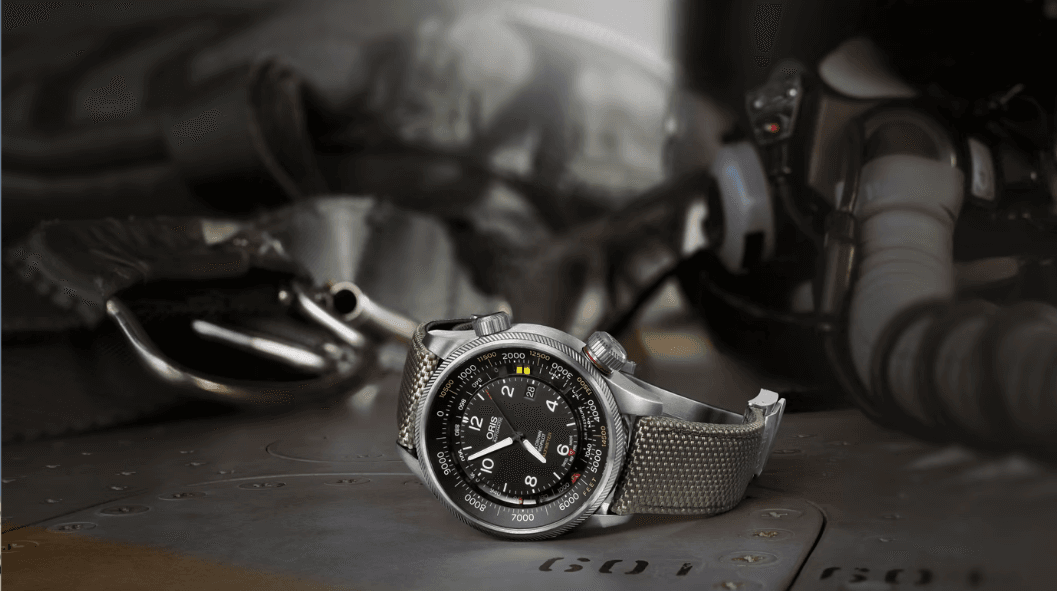
Oris didn't make watches for marketing stories. It made watches for pilots, divers, and racers, people who needed reliable tools, not status symbols. The Big Crown ProPilot series, with its distinctive oversized crown designed for leather-gloved pilots, evolved into the Big Crown ProPilot Altimeter (mid-2010s), the world's first automatic mechanical watch with an actual mechanical altimeter. Not because it was fashionable. Because pilots needed it.
Working with commercial diver Roman Frischknecht, Oris created the ProDiver, featuring a patented Rotation Safety System that prevents catastrophic mistakes underwater. The company even solved a problem that had stumped the industry for decades: how to fit a depth gauge into a mechanical watch. The answer was the patented Aquis Depth Gauge, allowing water to enter via a small hole at 12 o'clock, creating a watermark corresponding to precise depth measurements.
Chapter Eight: The Renaissance of In-House Calibres
As Oris approached its 110th anniversary in 2014, it unveiled the Calibre 110, its first in-house-developed movement in 35 years. This wasn't just a watch movement, it was a statement that Oris was recommitting to the deepest level of mechanical mastery. The calibre featured an unprecedented 10-day power reserve and a sophisticated non-linear power reserve indicator, developed entirely by in-house watchmakers. In 2020, Oris unveiled the Calibre 400, setting new industry standards: exceptional anti-magnetism, five-day power reserve, and a remarkable 10-year warranty. It was the company's promise made tangible.
Chapter Nine: Independence as Philosophy
Today, Oris remains what it has always been: fiercely independent. Under CEO Rolf Studer, the company continues to resist the gravitational pull of corporate ownership, choosing instead to remain masters of its own destiny. When asked about the challenges of independence, Studer is refreshingly honest: "It's not easy being independent. Because you do everything yourself." Yet he follows immediately with: "We need to go the extra mile constantly, battling against the bigger guys, but this is the Oris spirit." (Know more here).

Most importantly, Studer recognizes that mechanical watchmaking's survival depends on preserving the human element. In an age of artificial intelligence and digital disruption, he is unequivocal: "There must be that human element and that can't be replaced by machines. The mechanical watch is a statement for the real world."
Epilogue: The Oris Promise
After 120 years, Oris still understands what much of the modern world has forgotten: there is joy in mechanics. From 1904, when two men bought an abandoned factory beside a small brook, to today, when Oris continues to resist the pressure to abandon its principles, the company's story is one of remarkable consistency: fighting for progress when laws forbid it, choosing mechanical watches when the world chose quartz, remaining independent when size promised safety, and believing that watches are for people, not just for profit.
That's the Oris story. That's the promise written into every movement that leaves Hölstein. That's why a small Swiss village continues to build one of watchmaking's most honest, most beloved, and most defiant brands.
Oris watches are available at the Ethos watch boutiques.


