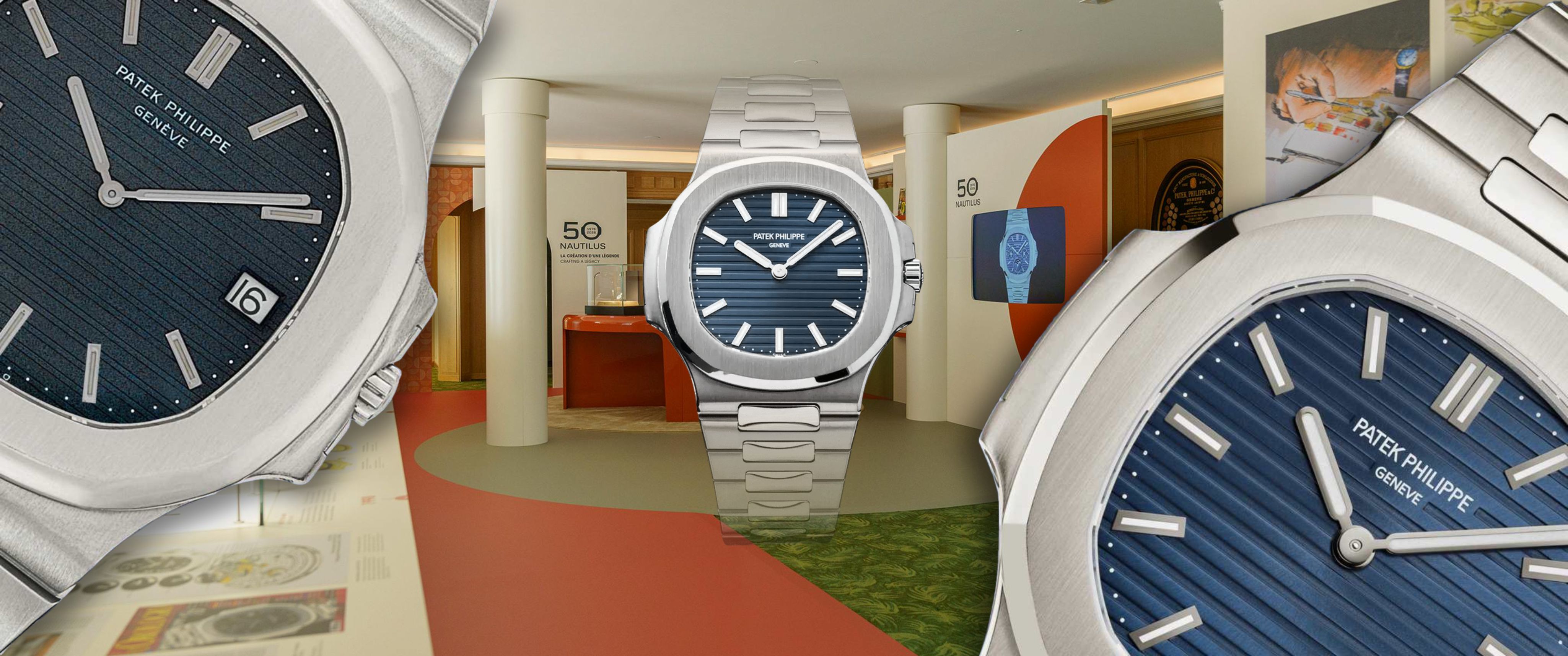
Patek Philippe Museum Celebrates 50th Anniversary Of The Nautilus With A Thematic Exhibition
 5 min read

There are anniversaries that celebrate longevity, and then there are anniversaries that celebrate influence. The Patek Philippe Nautilus belongs firmly in the latter category.
Fifty years after its debut in 1976, the watch that challenged every convention of traditional Swiss haute horlogerie has earned something few timepieces ever achieve: cultural permanence. It is simultaneously a collector’s grail, a design icon, a financial asset, and perhaps the single most recognizable luxury sports watch ever produced.
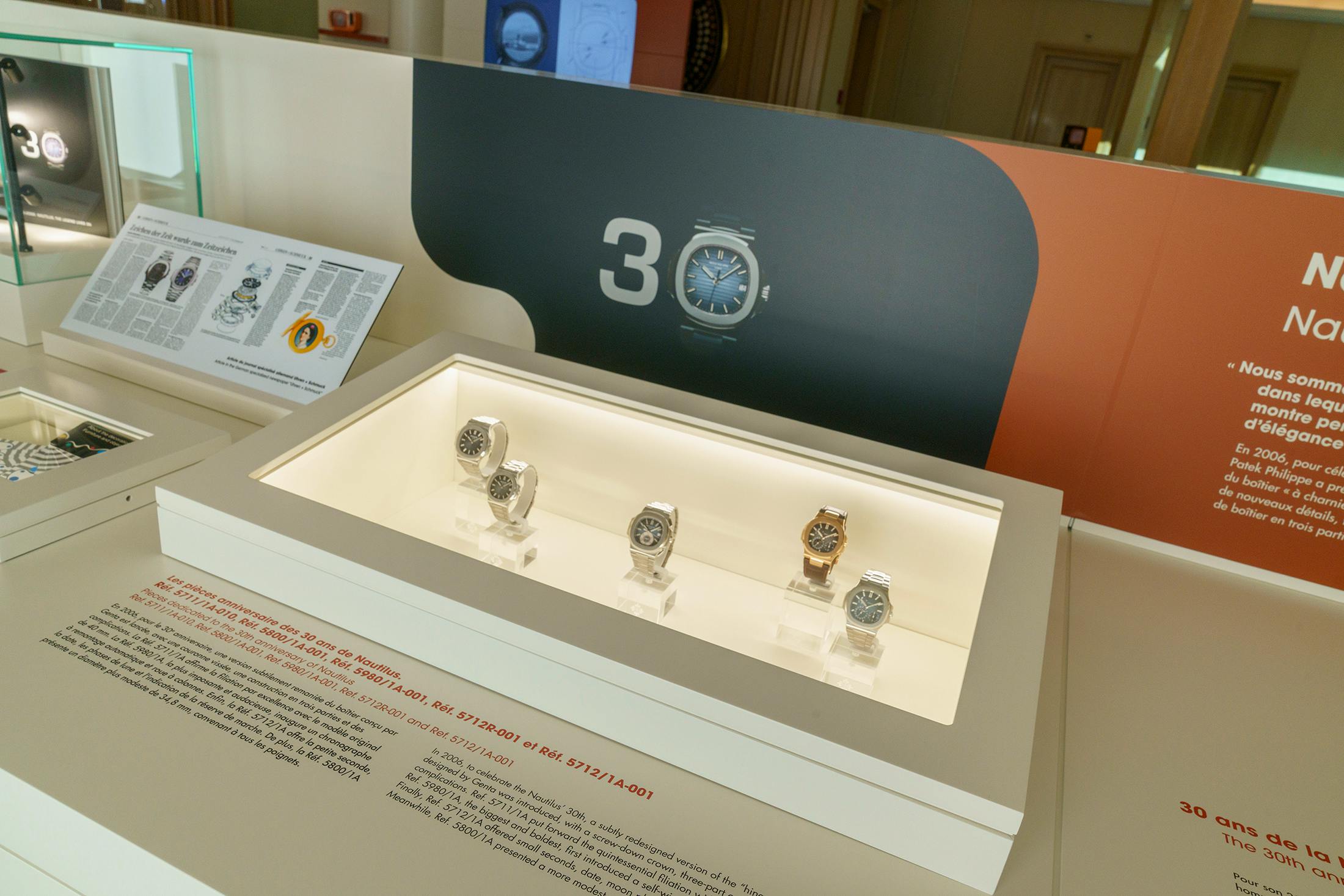
To commemorate this extraordinary journey, the Patek Philippe Museum in Geneva has unveiled a special thematic exhibition titled “1976-2026: Nautilus - 50th Anniversary of an Icon of Sporty Elegance,” running from June 2026 until early 2027. More than a display of historically significant watches, the exhibition is a carefully curated narrative that traces the evolution of a design that fundamentally altered the trajectory of luxury watchmaking.
A Curated Retrospective
The approach here is a quiet reminder of a truth often forgotten in the hype: the Nautilus was not an instant, universal success. It was an “enfant terrible,” a disruptive design that broke with the classic codes of luxury watchmaking. This exhibition traces that unique journey, from its polarizing debut to its ascent as a legend, and it does so with the archival integrity that only Patek Philippe can muster.
The Nautilus exhibition offers something meaningful. It tells the story of disruption.
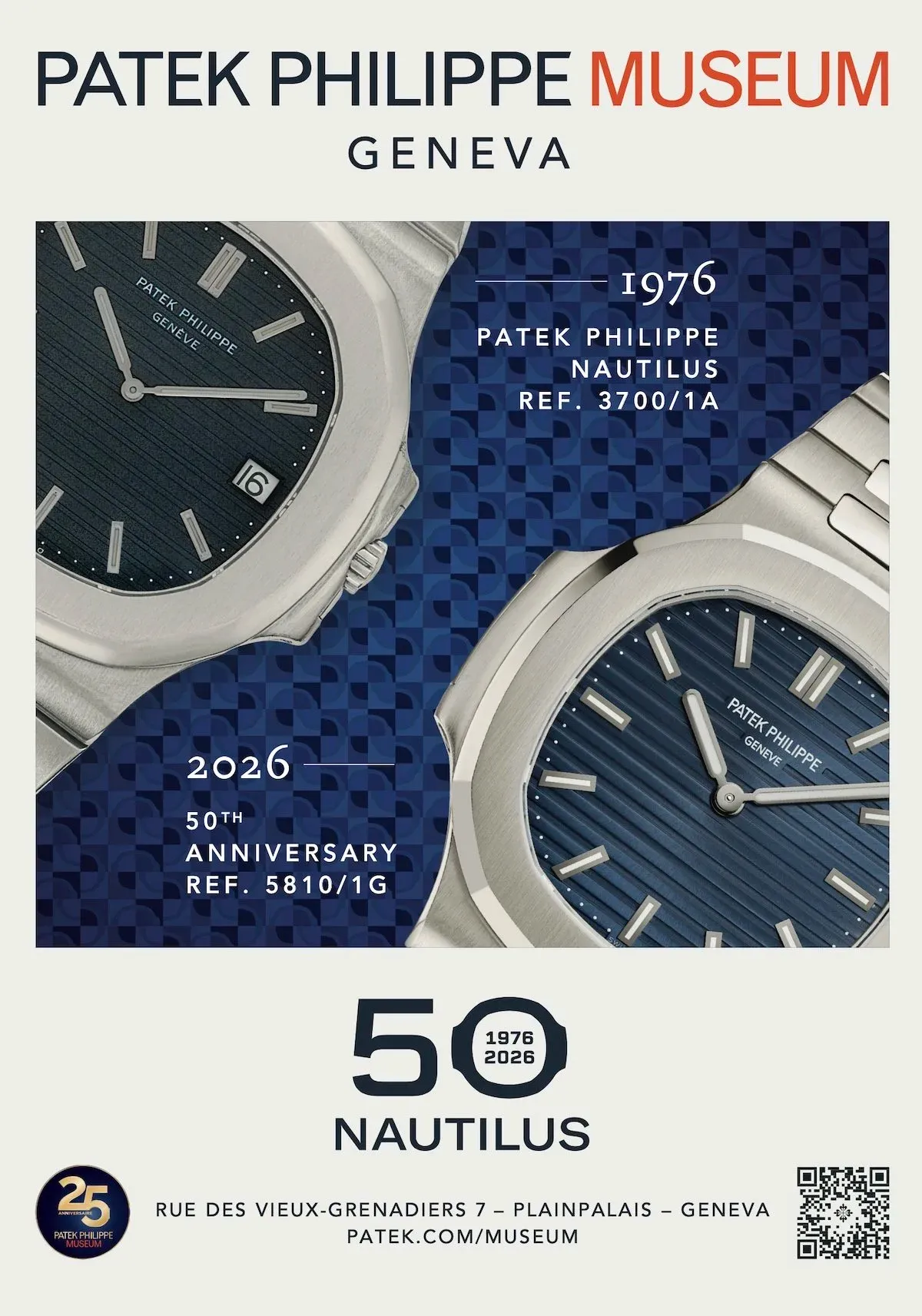
Launched during the museum’s Open House Weekend in June 2026, the exhibition retraces five decades of one collection through archival documents, historical references, milestone models, and the latest anniversary editions that celebrate its remarkable legacy. Rather than presenting the Nautilus as merely another successful product line, the exhibition positions it as a design revolution whose influence extends far beyond Patek Philippe itself.
And rightly so.
The Watch That Broke Every Rule
In 1976, luxury watches were expected to be precious, delicate and, above all, made from gold. Then Patek Philippe introduced a large stainless-steel watch inspired by a ship’s porthole, featuring an octagonal bezel with softened corners, an integrated bracelet and an unapologetically industrial aesthetic.
It was radical.
The original Ref. 3700/1A - today affectionately known as the “Jumbo,” challenged decades of established thinking. Neither round nor rectangular, sporty yet refined, robust yet astonishingly slim, it represented a completely new interpretation of luxury. Perhaps the greatest irony is that what initially appeared unconventional has become timeless.
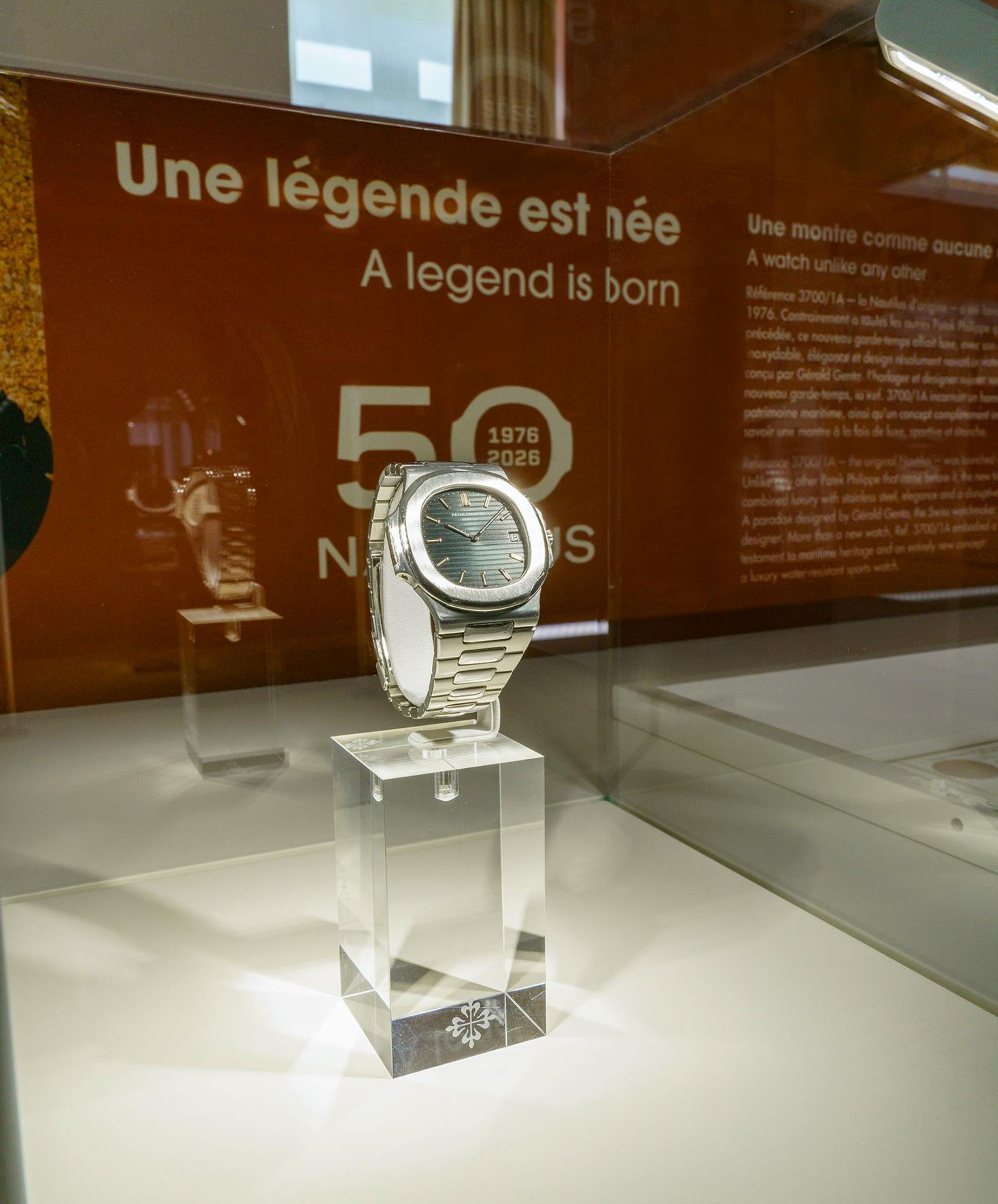
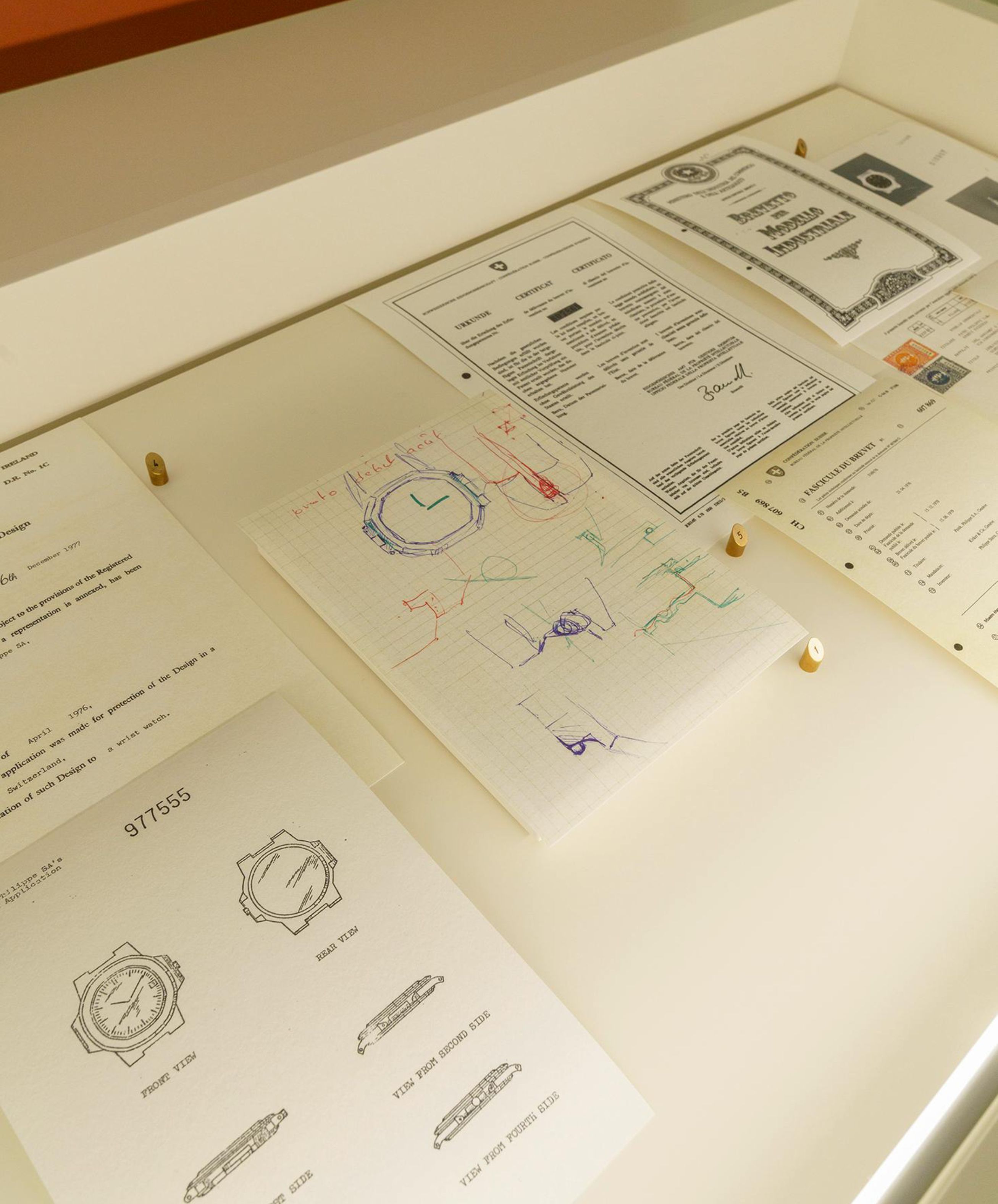
But here’s what most people don’t realize: the Nautilus wasn’t an aesthetic invention for its own sake. Every detail was load-bearing. The form was driven by function: achieving meaningful water resistance without traditional screw-down crowns or gasket-heavy construction.
Today, nearly every luxury sports watch owes some intellectual debt to the Nautilus, whether acknowledged or otherwise.
From Cult Object To Cultural Phenomenon
One of the exhibition’s greatest strengths is its chronological presentation. Visitors will get to follow the Nautilus through every significant chapter of its evolution. The journey begins with the original Ref. 3700/1A from 1976 before progressing through the introduction of mid-sized models during the 1980s, the more mechanically ambitious references of the late 1990s, and eventually the watches that transformed the collection into an international phenomenon.
Naturally, the Ref. 5711/1A occupies a central position.
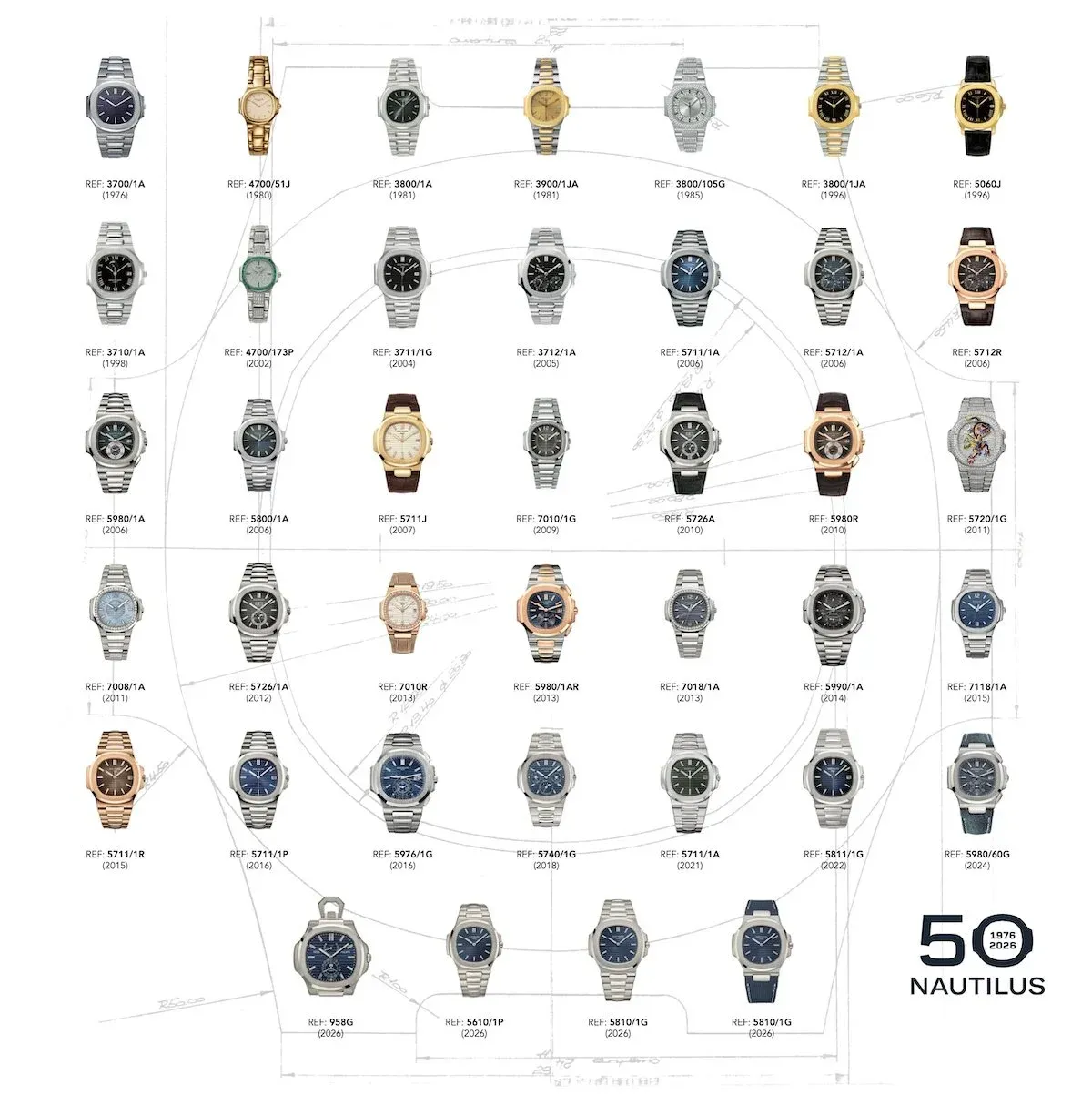
Introduced in 2006 for the collection’s 30th anniversary, the 5711 transcended watchmaking to become a global symbol of exclusivity and contemporary luxury. Waiting lists stretched for years, secondary market prices reached unprecedented levels, and celebrities, entrepreneurs, athletes and collectors all competed for allocation.
Very few watches have managed to influence popular culture to such an extent. The Nautilus did so while remaining unmistakably Patek Philippe.
The 50th Anniversary Lineup: A Closing Argument
Bringing the exhibition full circle, Patek Philippe will also display the new limited-edition 50th-anniversary watches and the desk clock, unveiled during Watches and Wonders 2026 earlier this year. For those who couldn’t get into the salons of the Palexpo, this is a rare opportunity to see them in the flesh.

Leading the lineup are two new 41mm “Jumbo” references in white gold: Ref. 5810/1G-001 on an integrated bracelet and Ref. 5810G-001 on a sporty composite strap. There is also a medium-sized 38mm Nautilus in platinum, Ref. 5610/1P-001, which recalls the proportions of earlier references while offering a more understated wrist presence. For the purists, the piece of peak interest might be a desk clock in white gold, limited to just 100 pieces and powered by an eight-day manually wound movement. It transforms the familiar wristwatch silhouette into something entirely unexpected and instantly collectible.
Why You Should Go (And When to Do It)
If you are planning a trip to Geneva before early 2027, this exhibition belongs on your itinerary without qualification. For those who have only ever seen these watches on a screen or in a display case, this is the chance to see the archival materials - the sketches, the correspondence, the technical drawings - that tell the story of how a “disruptive” idea became a legend.
The Patek Philippe Museum is open Tuesday through Friday from 2:00 PM to 6:00 PM, Saturday from 10:00 AM to 6:00 PM, and Sunday from 2:00 PM to 6:00 PM. The exhibition runs from June 2026 until early 2027.
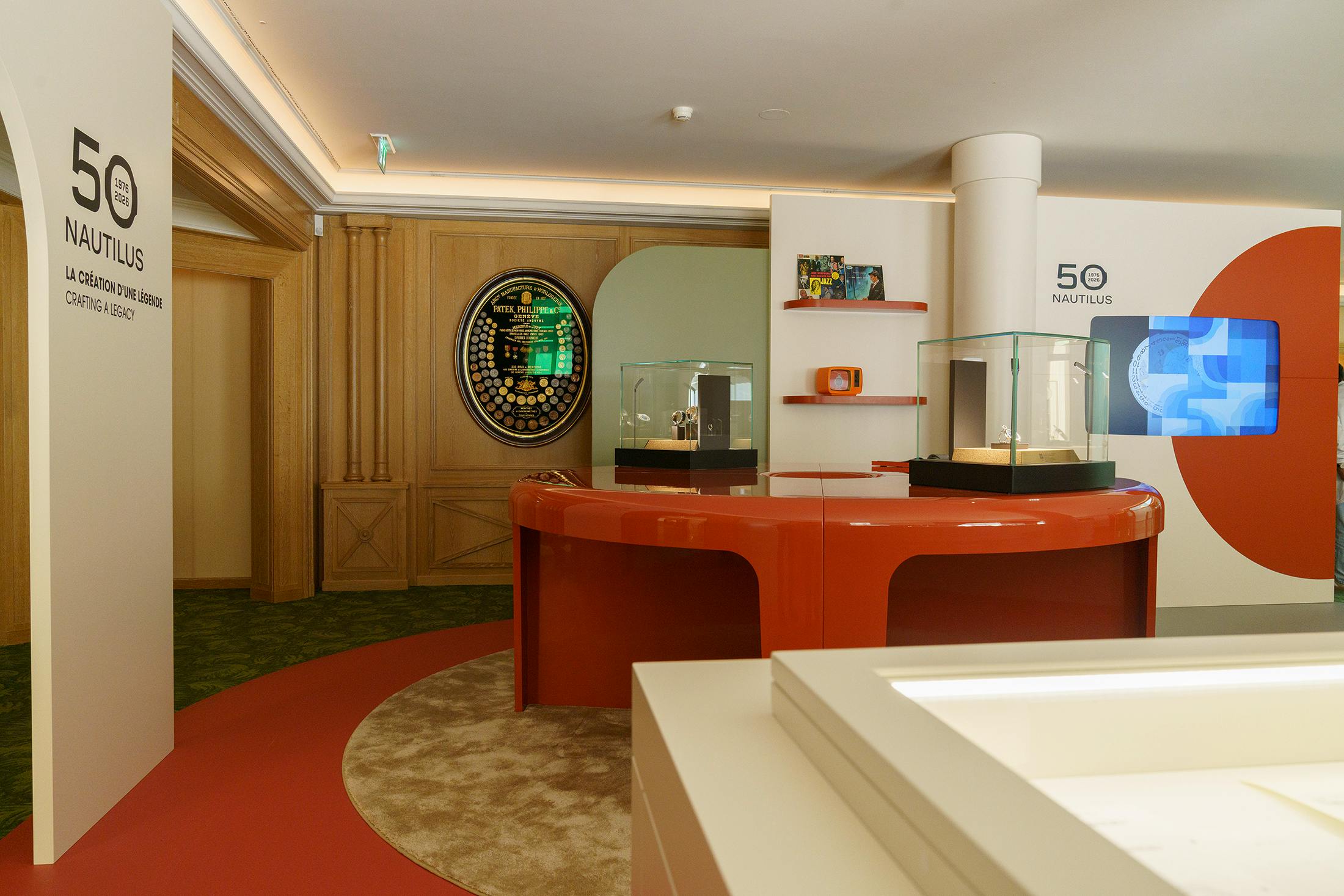
The Nautilus has transcended the world of watches to become a cultural artifact, a symbol of quiet (and sometimes not-so-quiet) success. This exhibition strips away the hype and returns the watch to its essence: a brilliantly conceived, technically rigorous, and enduringly stylish piece of industrial design. It is a story well worth telling, and Patek Philippe, as ever, tells it with unparalleled authority.
Why This Exhibition Matters
The significance of the Patek Philippe Museum’s Nautilus retrospective lies not merely in the watches on display but in the questions it invites visitors to consider.
How does a controversial design become timeless?
Why do certain objects transcend function to become cultural symbols?
What transforms a steel sports watch into an enduring icon of luxury?
The answers emerge gradually throughout the exhibition.
They are found in Gérald Genta’s uncompromising vision, in Patek Philippe’s refusal to chase trends, and in fifty years of disciplined evolution that has consistently prioritized design integrity over novelty. As the Patek Philippe Museum celebrates half a century of the Nautilus, visitors are reminded that they are not merely looking at fifty years of one remarkable collection.
They are witnessing fifty years of modern horological history, told through a watch that forever changed the meaning of sporty elegance.


